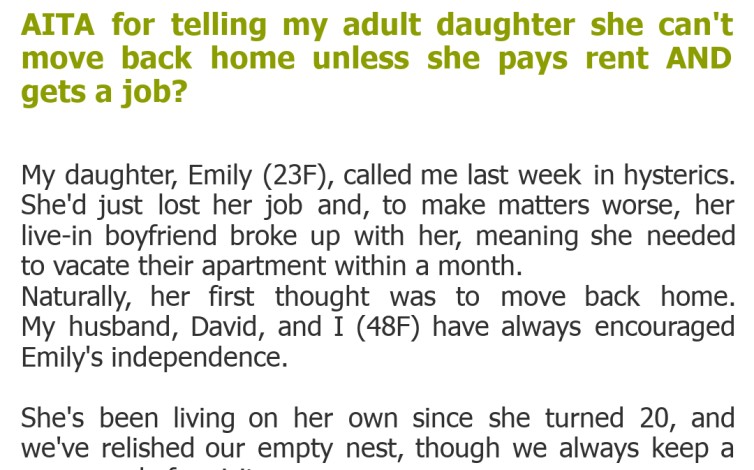
AITA for telling my adult daughter she can’t move back home unless she pays rent AND gets a job?
Oh, the age-old dilemma of adult children returning to the nest! It's a tale as old as time, yet uniquely challenging in our current economic climate. Many parents find themselves caught between the desire to support their offspring and the need to foster independence. When does parental love cross the line into enabling, and when is 'tough love' just… well, too tough? It's a tightrope walk many of us know all too well.
Today's AITA story brings this very conflict to the forefront. We have a parent, Sarah, who has laid down some non-negotiable terms for her adult daughter, Emily, wanting to move back home. The conditions? Rent and a job. It's sparked a heated family feud, leaving Sarah questioning if she's doing the right thing. Let's dive into the details and see what the internet has to say about this common, yet deeply personal, family dynamic.

"AITA for telling my adult daughter she can't move back home unless she pays rent AND gets a job?"

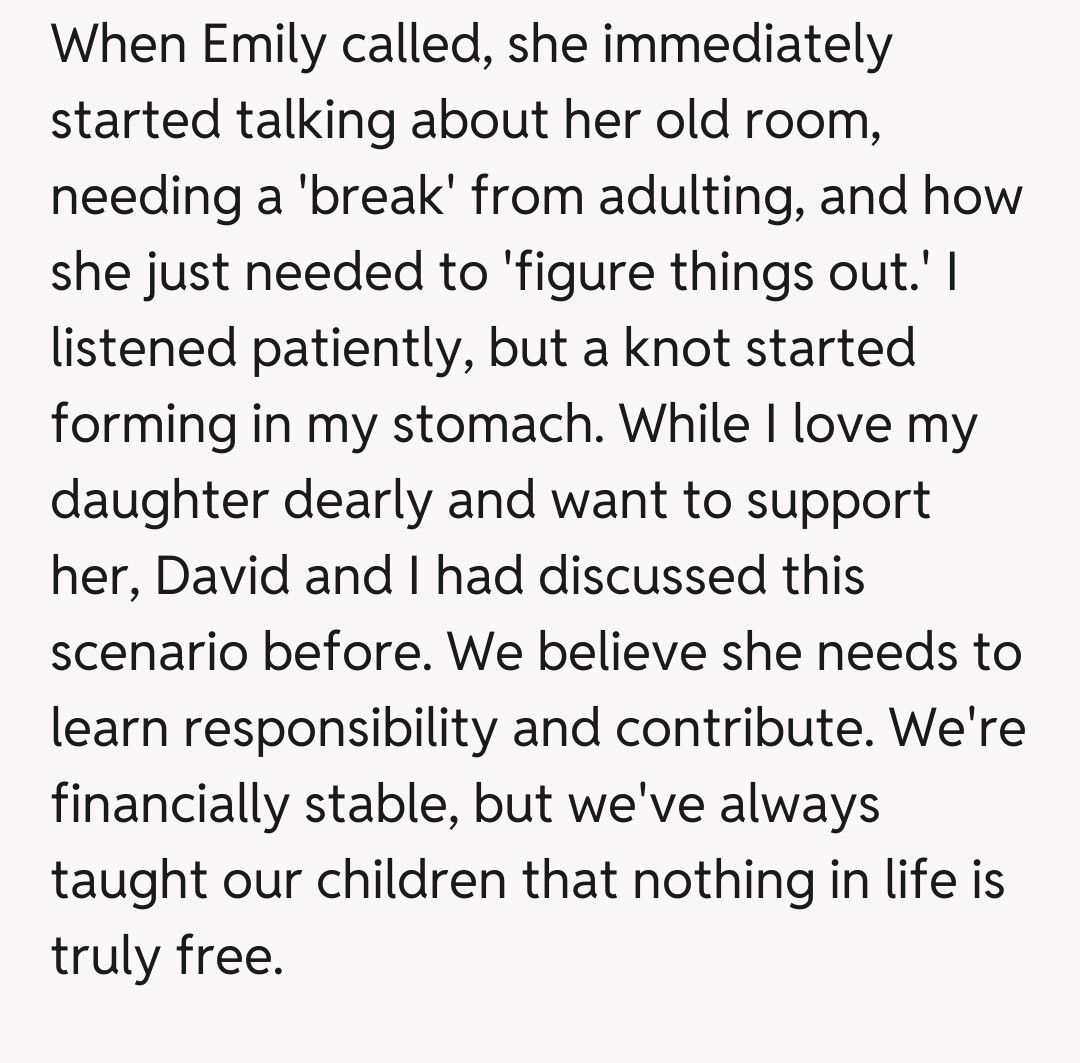
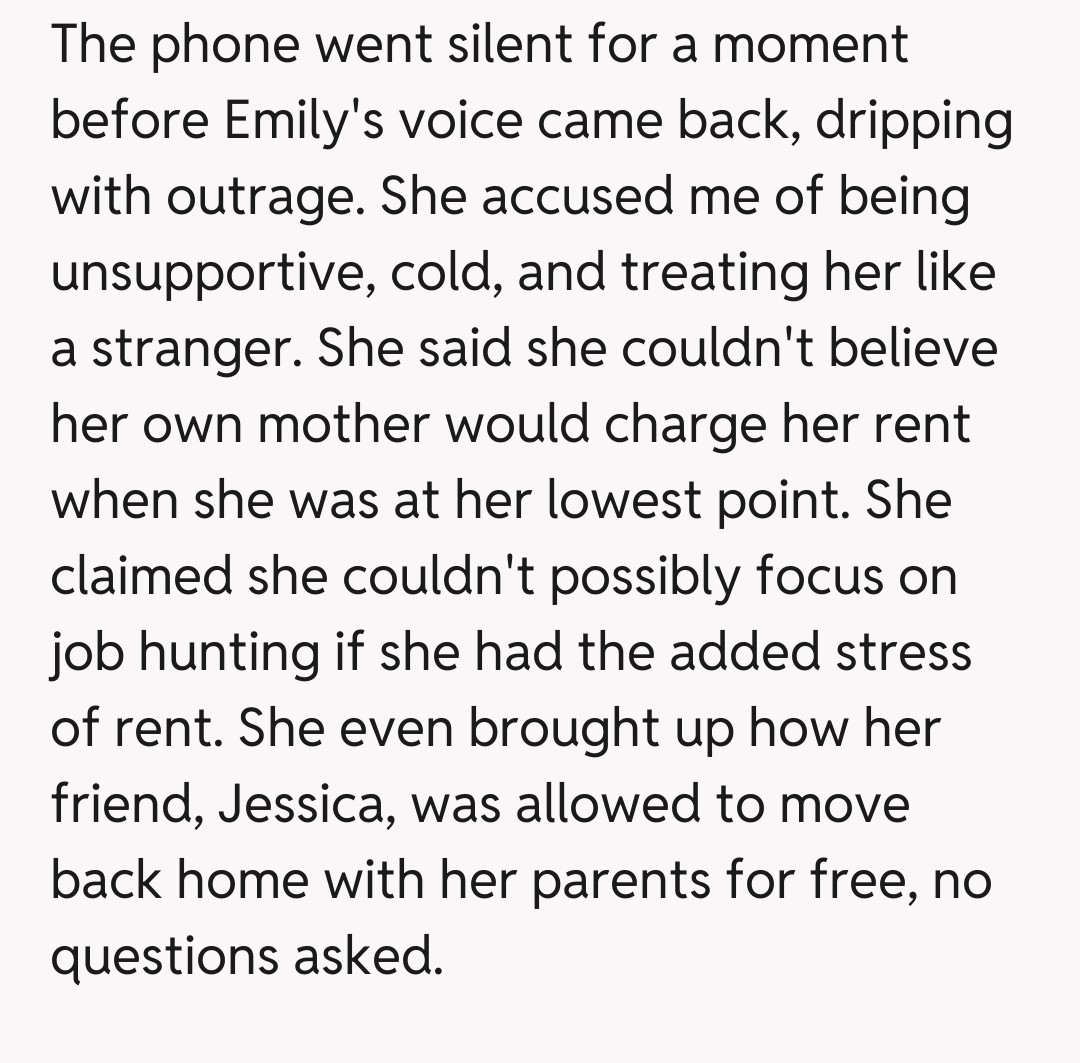
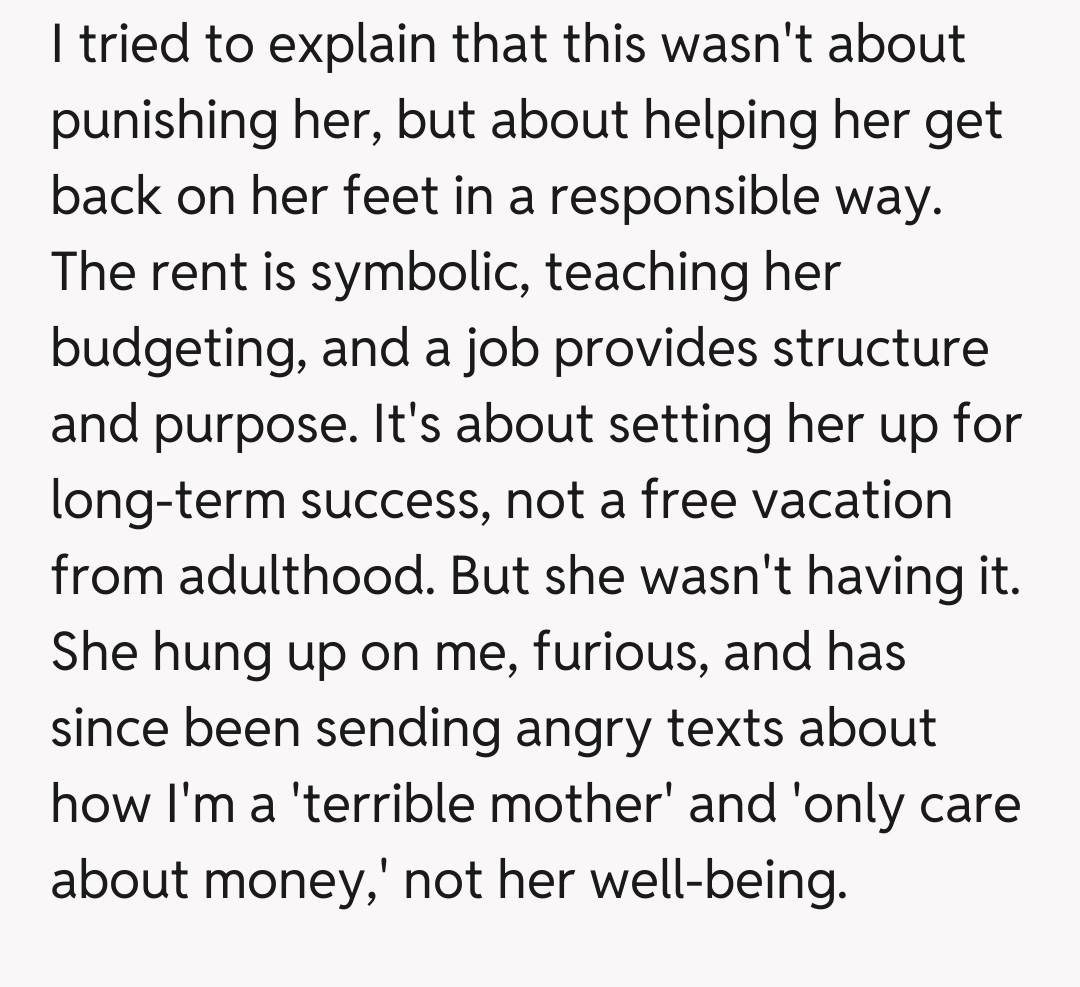
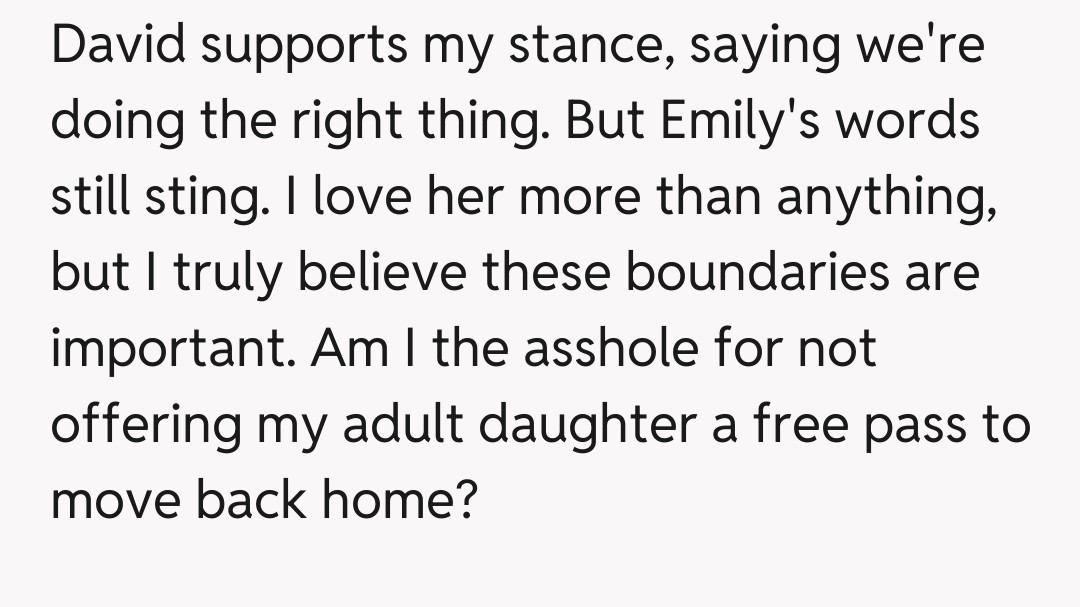
This scenario strikes a chord with so many parents. On one hand, there's the instinctive desire to protect and nurture your child, especially when they're vulnerable. Emily has just experienced a double blow with job loss and a breakup, making her feel incredibly insecure and in need of a safe harbor. She likely views her parents' home as that unconditional sanctuary, and any conditions feel like a betrayal during her time of need.
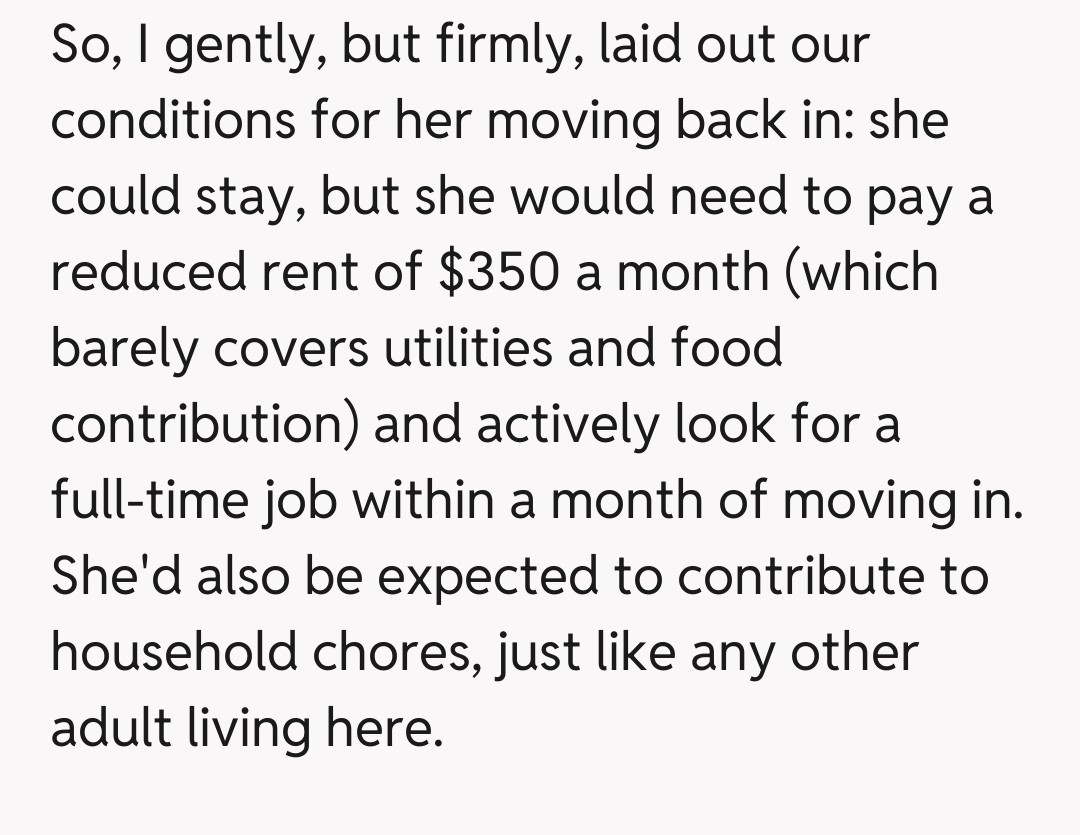
From Sarah's perspective, however, the intention is likely not to punish but to prepare. At 23, Emily is an adult. Sarah and David have spent years fostering independence, and suddenly reversing course completely could be seen as enabling. Setting expectations around rent and employment isn't just about financial contribution; it's about maintaining a routine, instilling responsibility, and preventing a potentially prolonged period of inertia.
The challenge lies in the difference between a safety net and a hammock. Parents often struggle with where to draw that line. Is it fair to expect an adult child, even one who's struggling, to contribute financially and practically to a household? Many would argue yes, as it reflects the realities of independent living and helps them regain their footing rather than simply deferring responsibility.
Ultimately, there's no single 'correct' way to navigate this. Every family's dynamics and financial situation are unique. What works for one family might not for another. The core issue here is communication and differing expectations during a stressful period. While Emily feels unsupported, Sarah believes she's teaching crucial life lessons, leading to a clash of deeply held beliefs.
The Internet Weighs In: Tough Love or Too Much?
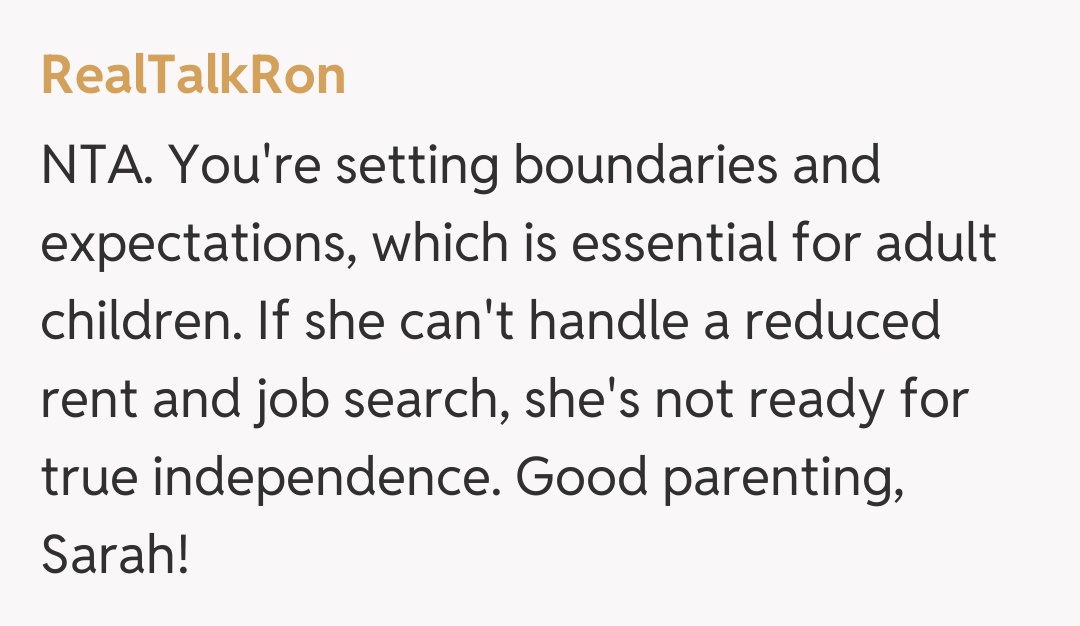
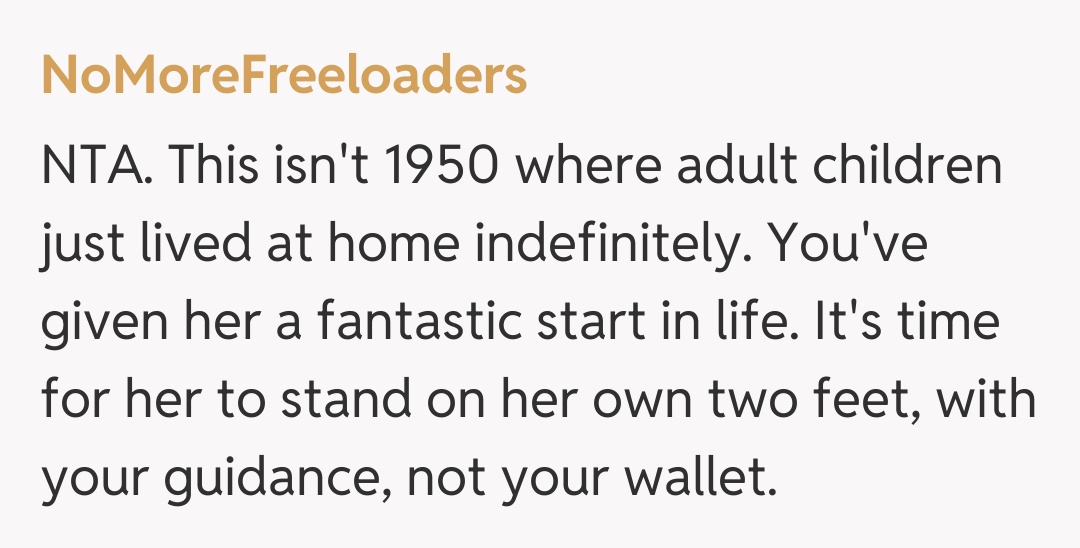
The comments section on this one was, as expected, a lively debate! The majority of our readers leaned towards NTA, praising Sarah for her firm but fair stance. Many shared personal anecdotes about how similar expectations from their own parents (or ones they set for their children) ultimately led to greater independence and a stronger work ethic. The sentiment was clear: 23 is old enough to understand the value of contributing.
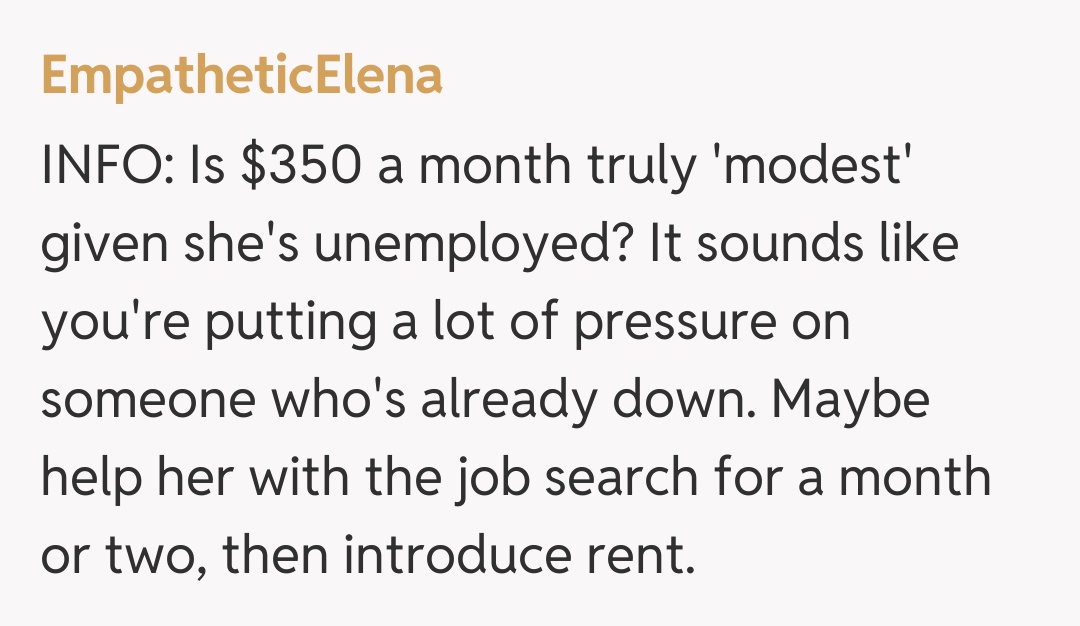
However, there were also several thoughtful YTA votes, or at least 'soft YTA' perspectives. These commenters often highlighted Emily's current emotional fragility, suggesting a grace period of a month or two without rent might be more compassionate to allow her to grieve and regroup before adding financial pressure. This shows the compassionate side of our community, understanding that sometimes support means a temporary reprieve from adult responsibilities.

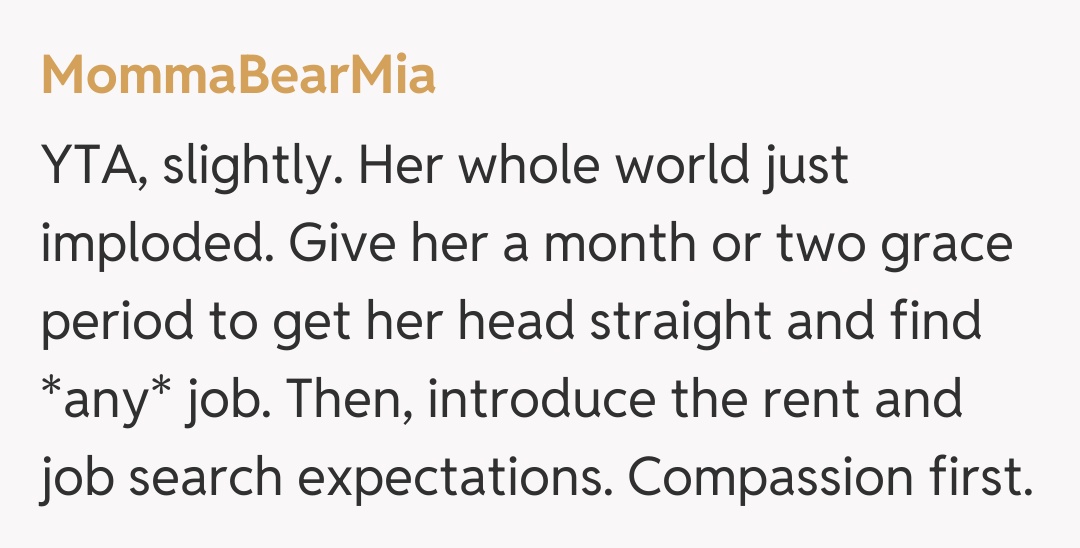
This AITA story perfectly encapsulates the tightrope walk parents often face with adult children. While the immediate reaction from Emily was anger and hurt, Sarah's intentions seem rooted in fostering long-term independence and responsibility. There's no single right answer, as family dynamics and personal philosophies vary wildly. Ultimately, open and honest communication, even when difficult, is paramount. Perhaps a compromise, like a short grace period, could ease the transition, but the principle of contributing remains a valuable life lesson. What do you think, readers?