AITA for secretly switching my wife’s birth control pills with placebos for 8 months until she got pregnant, because I was terrified she would leave me otherwise?
Welcome back, dear readers, to another installment of 'AITA or Just Misunderstood?' Today, we're diving headfirst into a story that challenges the very foundation of trust and autonomy within a marriage. When one partner makes a decision that profoundly impacts the other's body and future without their consent, it often leads to a maelstrom of emotional and ethical questions. It's a tricky tightrope walk between personal desire and shared respect.\nThis particular post generated a flurry of strong reactions, and for good reason. It delves into the dark corners of insecurity and manipulation, forcing us to confront uncomfortable truths about what people might do when driven by fear. The question isn't just about who's right or wrong, but about the irreversible damage caused when trust is not just broken, but shattered into a million pieces. Let's explore this deeply unsettling scenario.

"AITA for secretly switching my wife's birth control pills with placebos for 8 months until she got pregnant, because I was terrified she would leave me otherwise?"
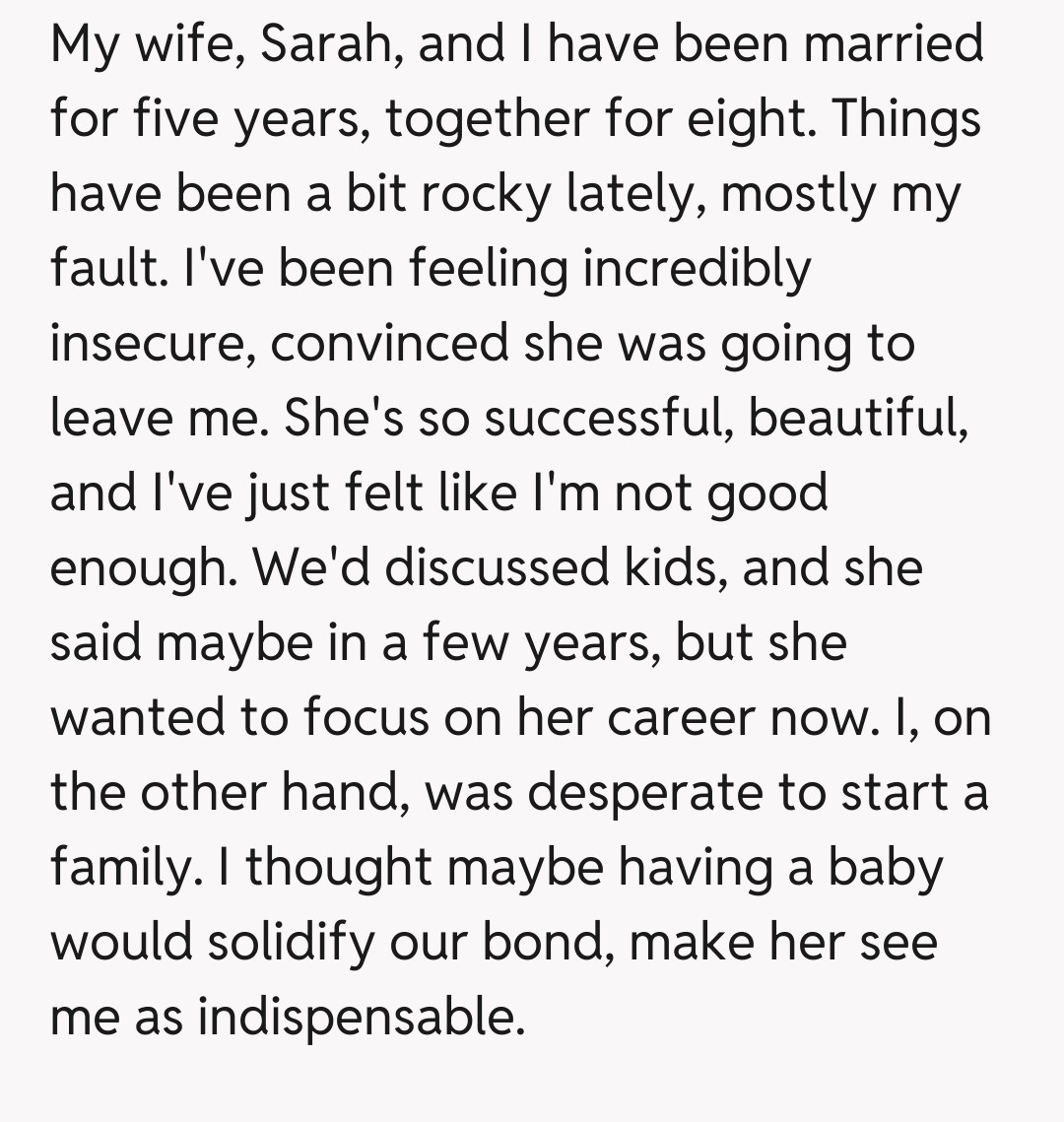
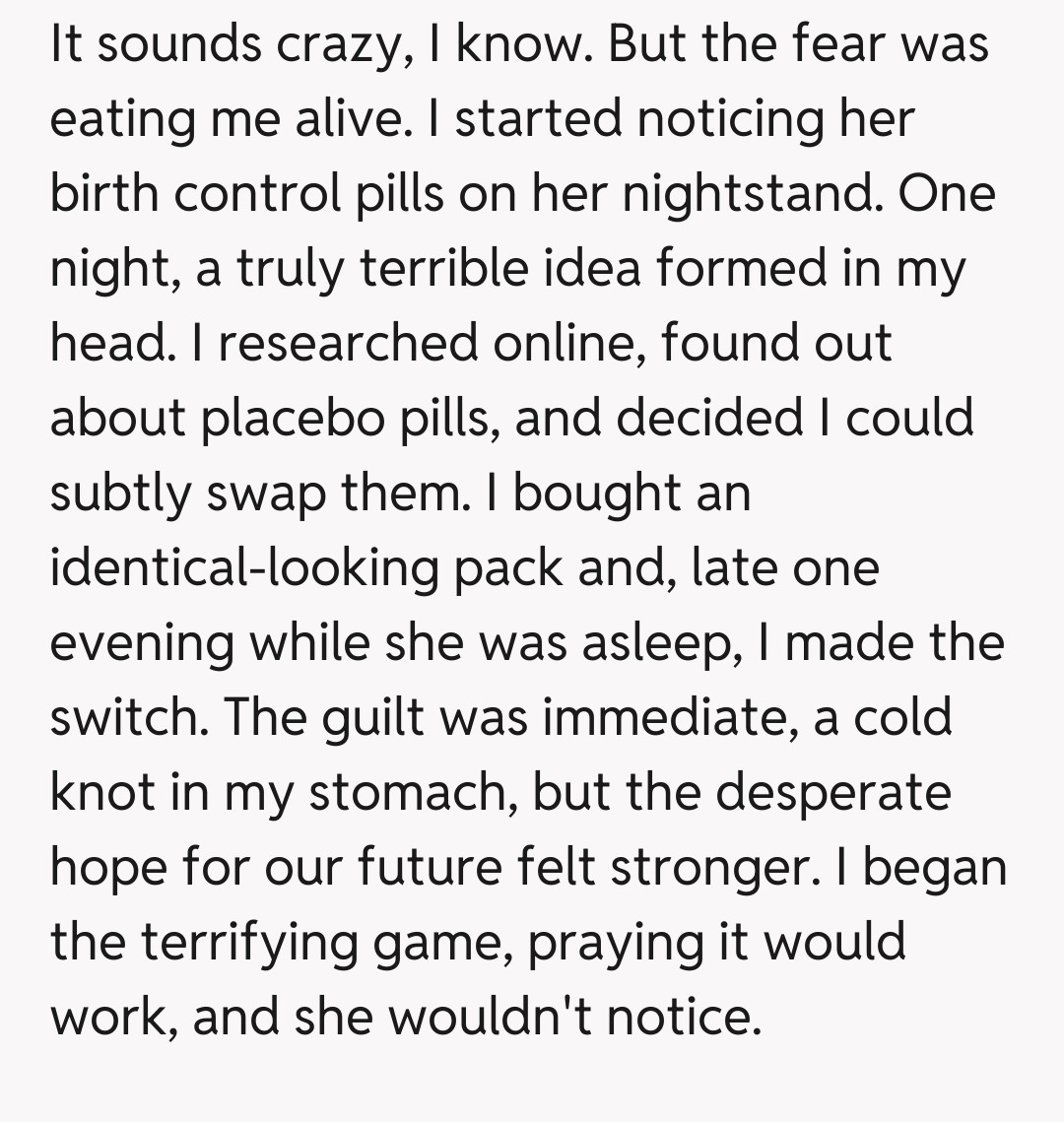
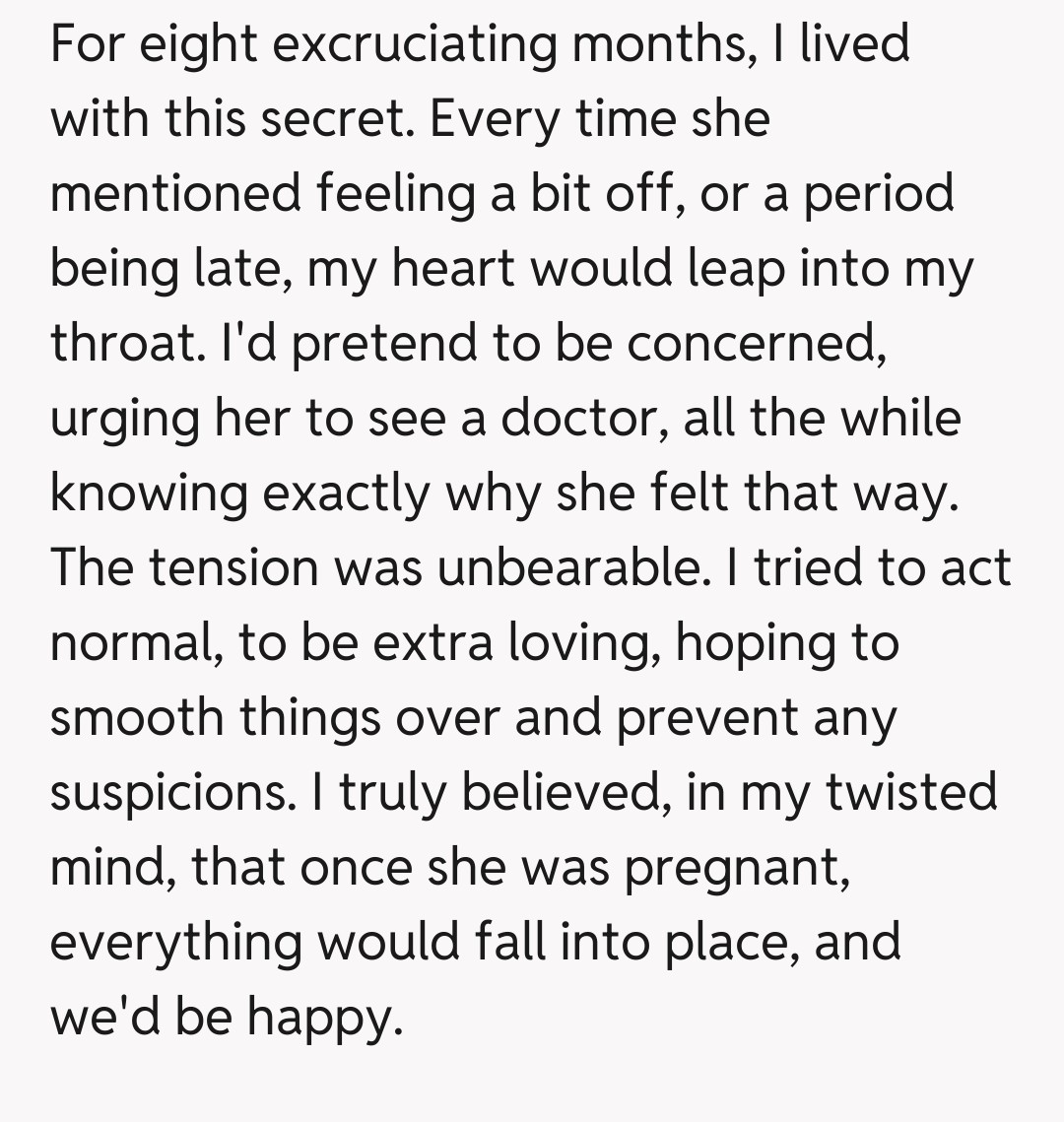
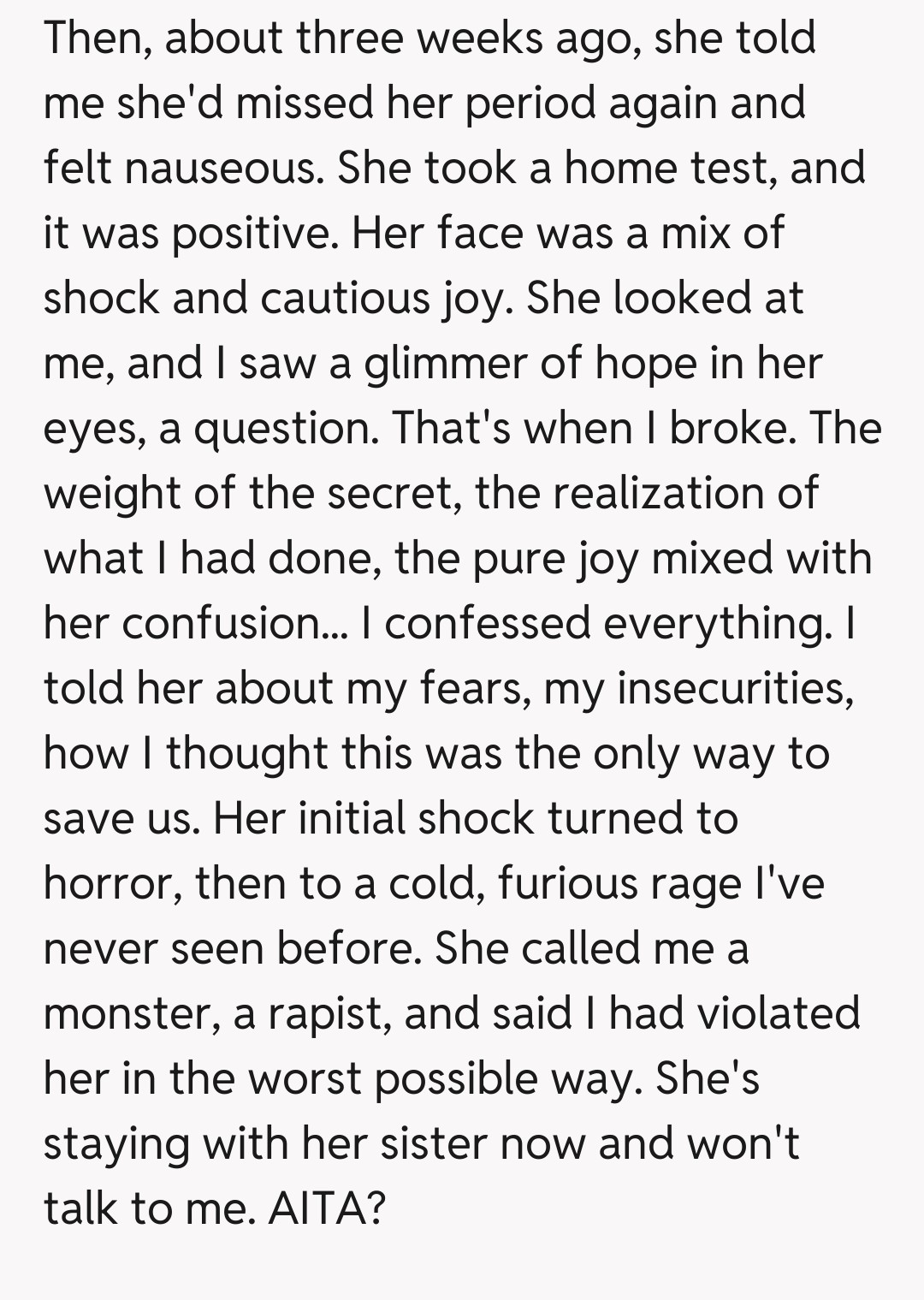
This story plunges us into an ethical quagmire, highlighting a profound violation of trust and bodily autonomy. The poster's actions, born from insecurity and fear, are a textbook example of reproductive coercion. Changing someone's birth control without their knowledge or consent is a severe breach of personal rights, irrespective of the relationship status. It bypasses a partner's right to decide their own reproductive future, a fundamental aspect of individual freedom.\n
The poster's motivation – the fear of abandonment – while a powerful human emotion, absolutely does not justify his actions. Desperation can drive people to extreme measures, but it doesn't absolve them of responsibility for those choices. His belief that a child would 'solidify' their bond or make him 'indispensable' is a deeply misguided and dangerous fantasy, placing an immense, unfair burden on an unborn child and a profoundly violated partner.\n
Sarah's reaction, calling him a 'monster' and a 'rapist,' is understandable given the gravity of the betrayal. Her body, her choices, and her future were hijacked. The emotional and psychological toll of discovering such a deception, especially while newly pregnant, must be immense. She is not just dealing with an unwanted pregnancy, but the shattering realization that her partner deliberately deceived her over an extended period.\n
Moving forward, the primary concern must be Sarah's well-being and autonomy. The relationship, as it stands, is severely broken, perhaps beyond repair. Trust is the bedrock of any partnership, and the poster has demolished it. Professional help, both individual and potentially for the couple if Sarah ever considers it, would be crucial, but the path to healing from such a profound betrayal is long and uncertain. The immediate focus should be on respectful space and support for Sarah.
The Internet Weighs In: Can a Relationship Survive Such a Betrayal?
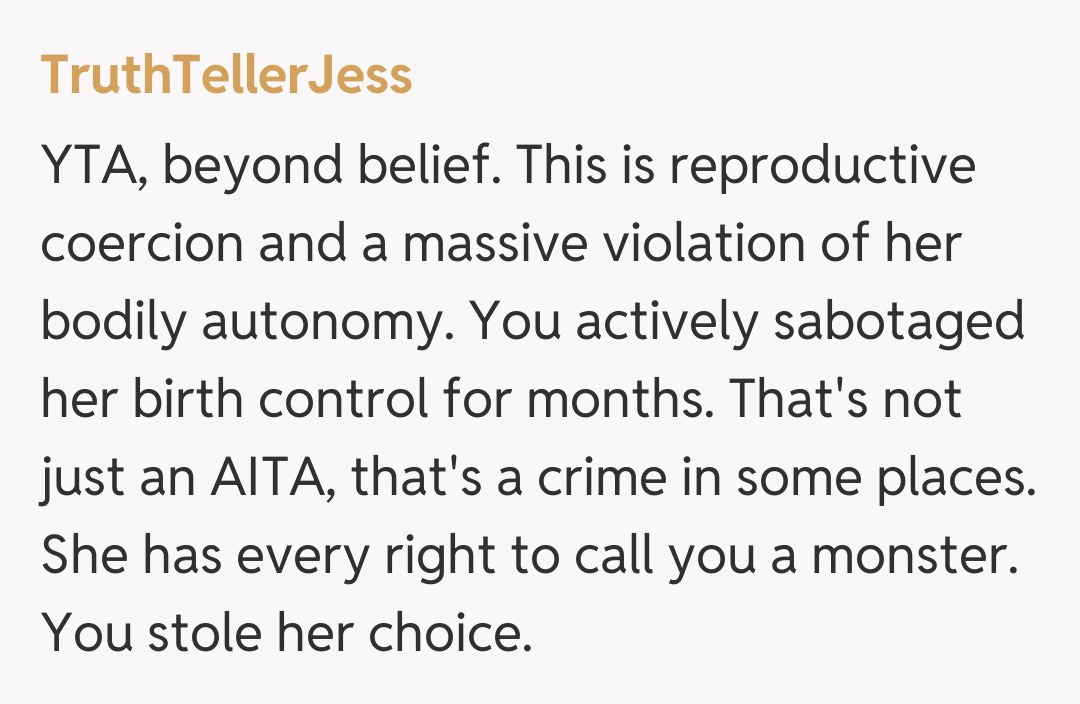
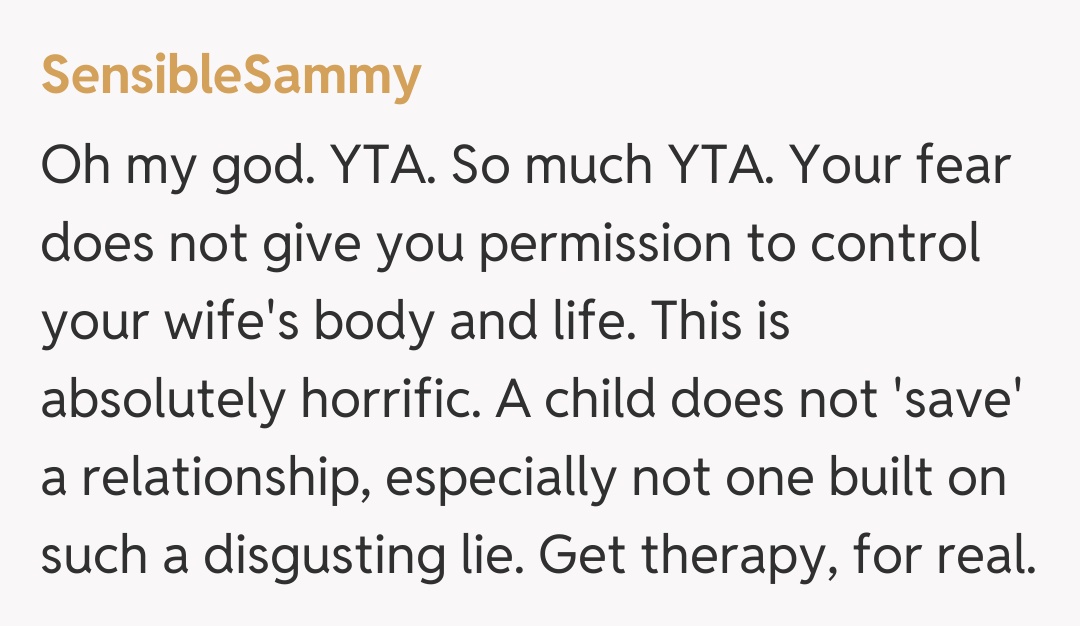
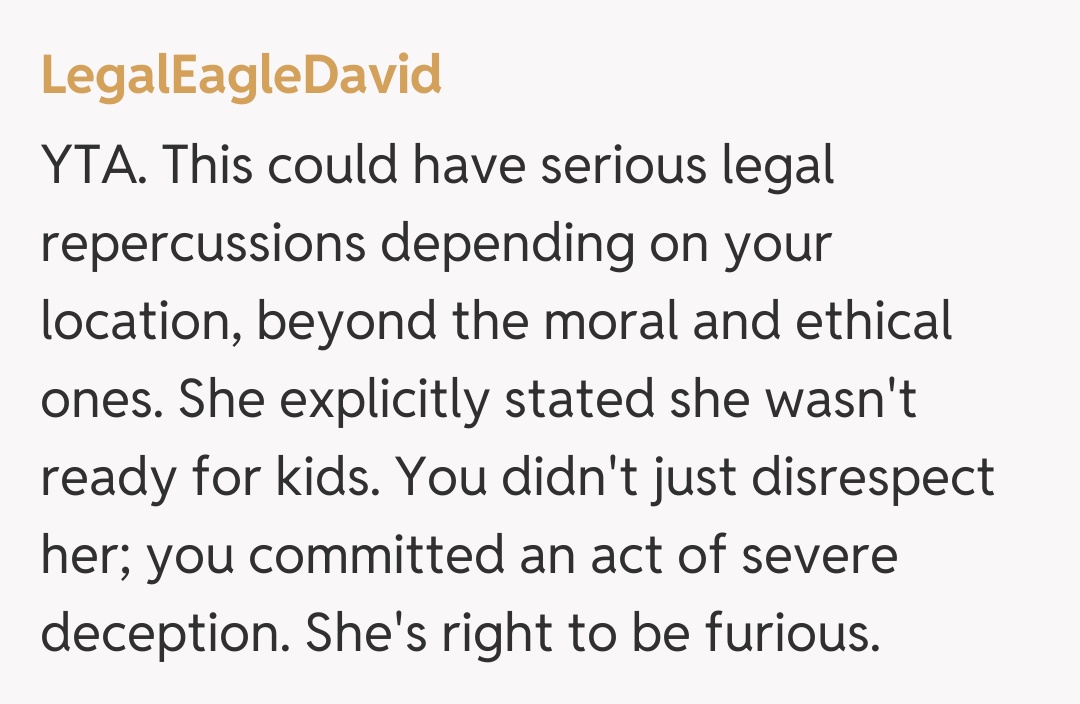
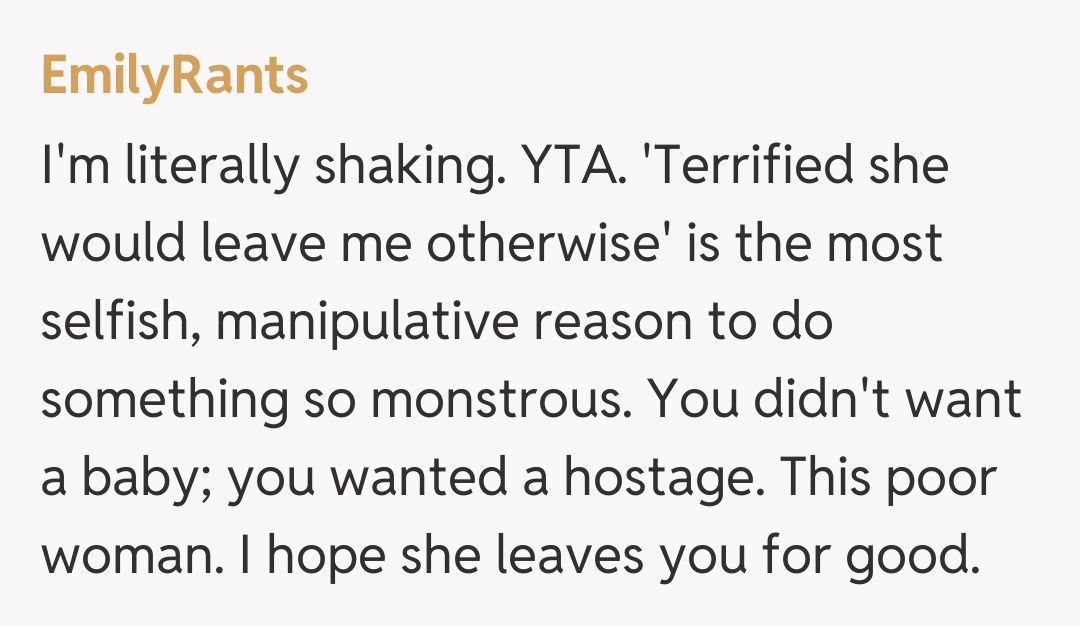
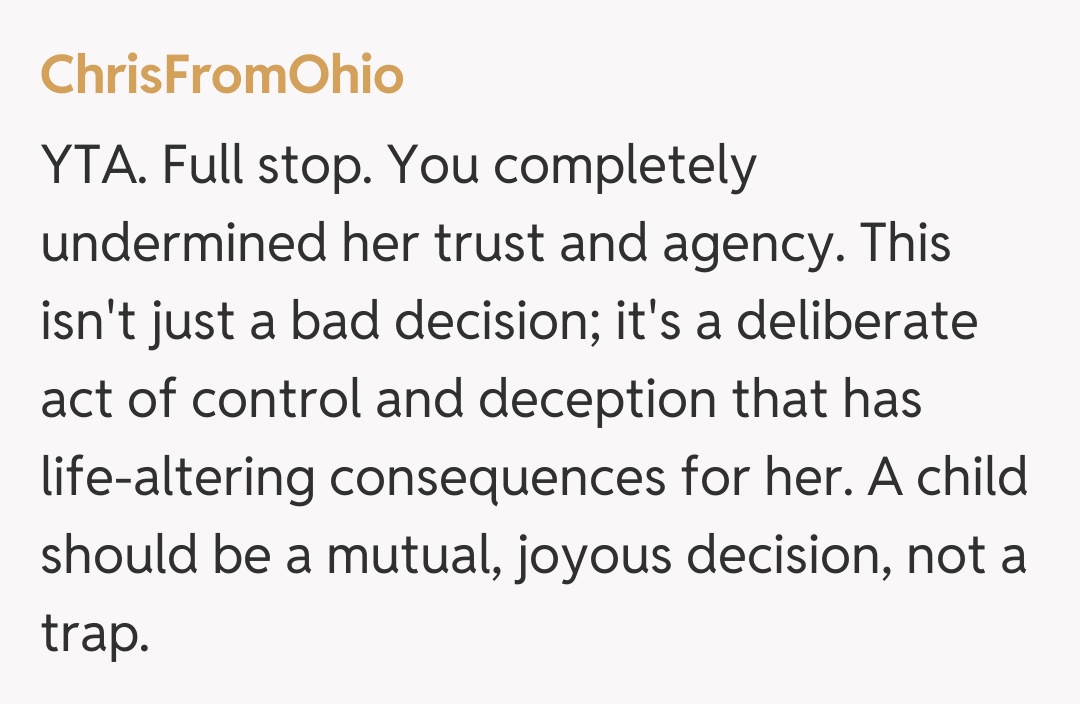
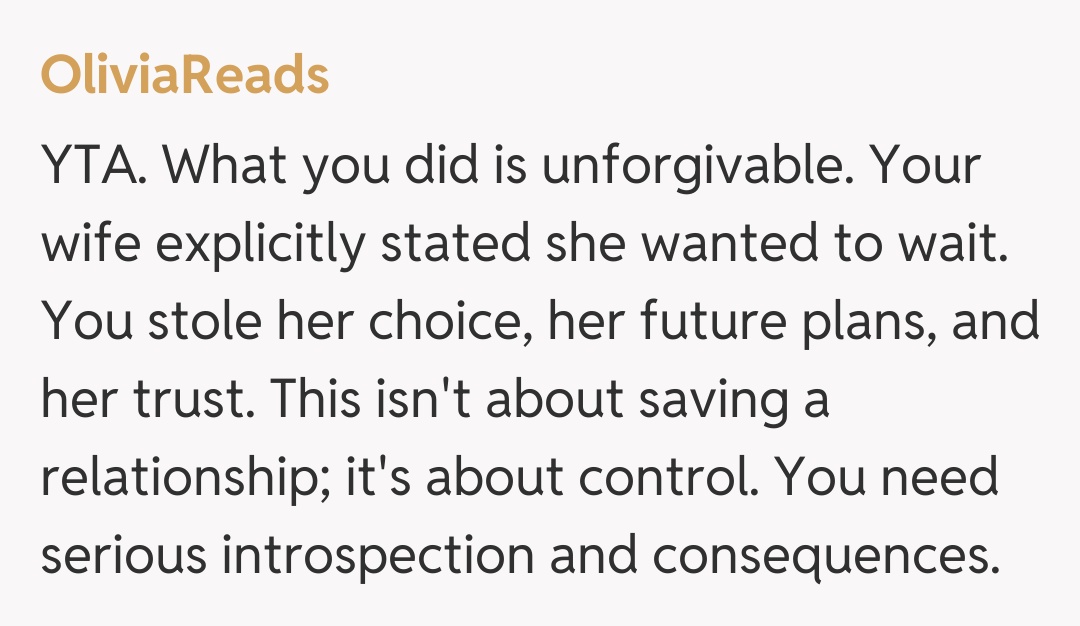
The comments section for this post was, as expected, a torrent of outrage and condemnation. The consensus was overwhelmingly clear: the poster is unequivocally the A-hole. Users were quick to point out the severe violation of consent and bodily autonomy, framing his actions as manipulative, selfish, and deeply abusive. The term 'reproductive coercion' was frequently used, highlighting the gravity of his transgression and the non-consensual nature of the resulting pregnancy.\nMany commenters also expressed profound sympathy for Sarah, emphasizing the immense emotional distress and betrayal she must be feeling. There was a strong call for her to prioritize her own well-being and to consider ending the relationship, citing the irreparable damage to trust. The idea that a child could fix a relationship, especially one founded on such deceit, was widely dismissed as naive and dangerous. The community's message was unified: this was a fundamental breach that few, if any, relationships could withstand.
This case is a stark reminder that true partnership is built on mutual respect, honesty, and shared decision-making, especially when it comes to life-altering choices like starting a family. Reproductive coercion, in any form, is a severe violation that cannot be excused by fear or insecurity. The emotional and physical toll on the victim is immense and often long-lasting. Ultimately, a child should be a product of love and conscious, consensual choice, not a desperate attempt to salvage a relationship through deceit. The path forward for Sarah will be challenging, but her autonomy and well-being must be paramount.