AITA for telling my 19-year-old daughter she’s not allowed to go to college because she’s too stupid to succeed anyway?
Welcome back, internet denizens, to another thrilling dive into the moral quandaries of everyday life! Today's AITA submission has us reeling, bringing a deeply uncomfortable question to the forefront of familial relationships. When tough love crosses into outright cruelty, where do we draw the line? This story involves a parent, a child, and dreams potentially shattered by a few ill-chosen words.
Our poster, a parent, has dropped a bombshell on their 19-year-old daughter regarding her collegiate aspirations. The reasons provided are… stark, to say the least. It's a situation that forces us to examine the very definition of parental support and the long-term impact of words, especially when spoken from a position of authority. Prepare yourselves, because this one hits hard.

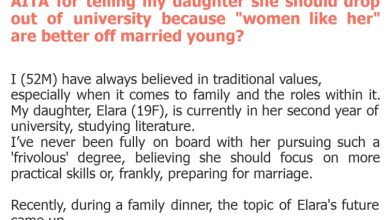
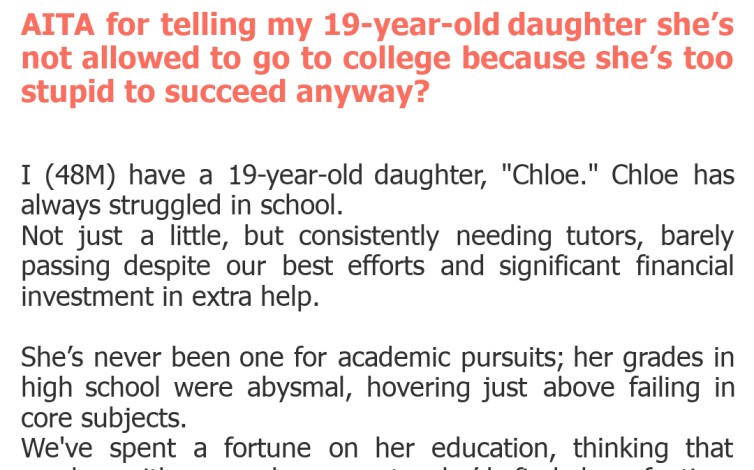
"AITA for telling my 19-year-old daughter she’s not allowed to go to college because she’s too stupid to succeed anyway?"
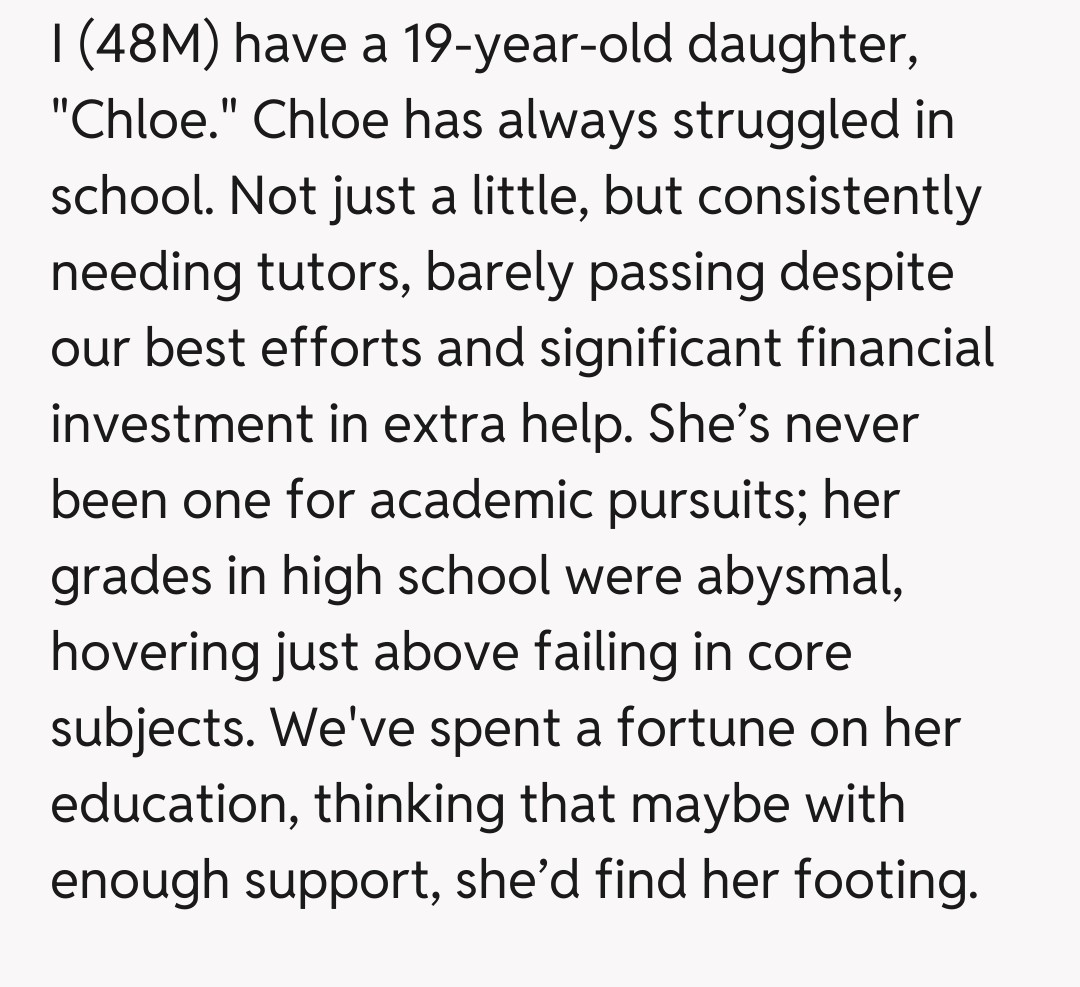
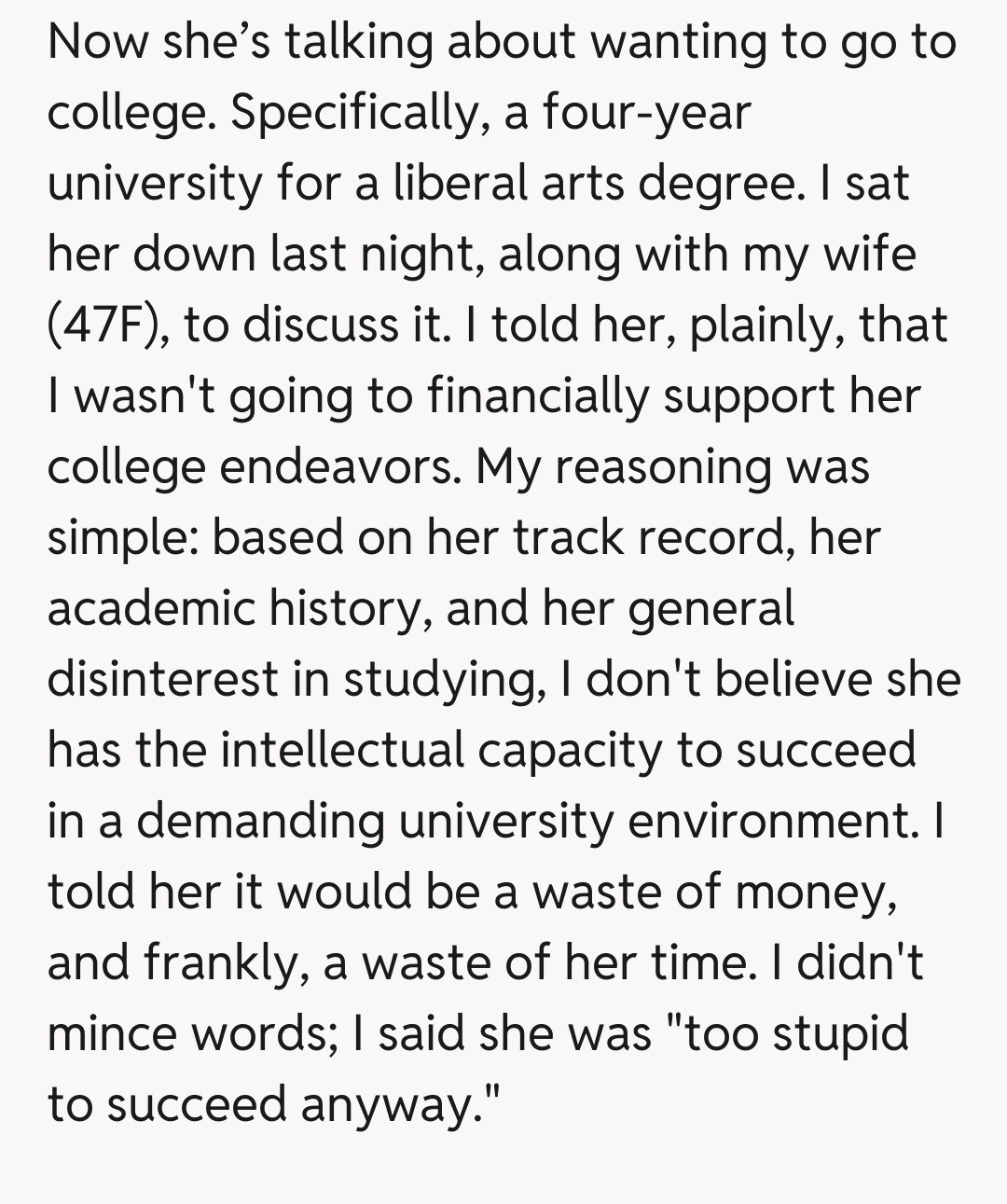
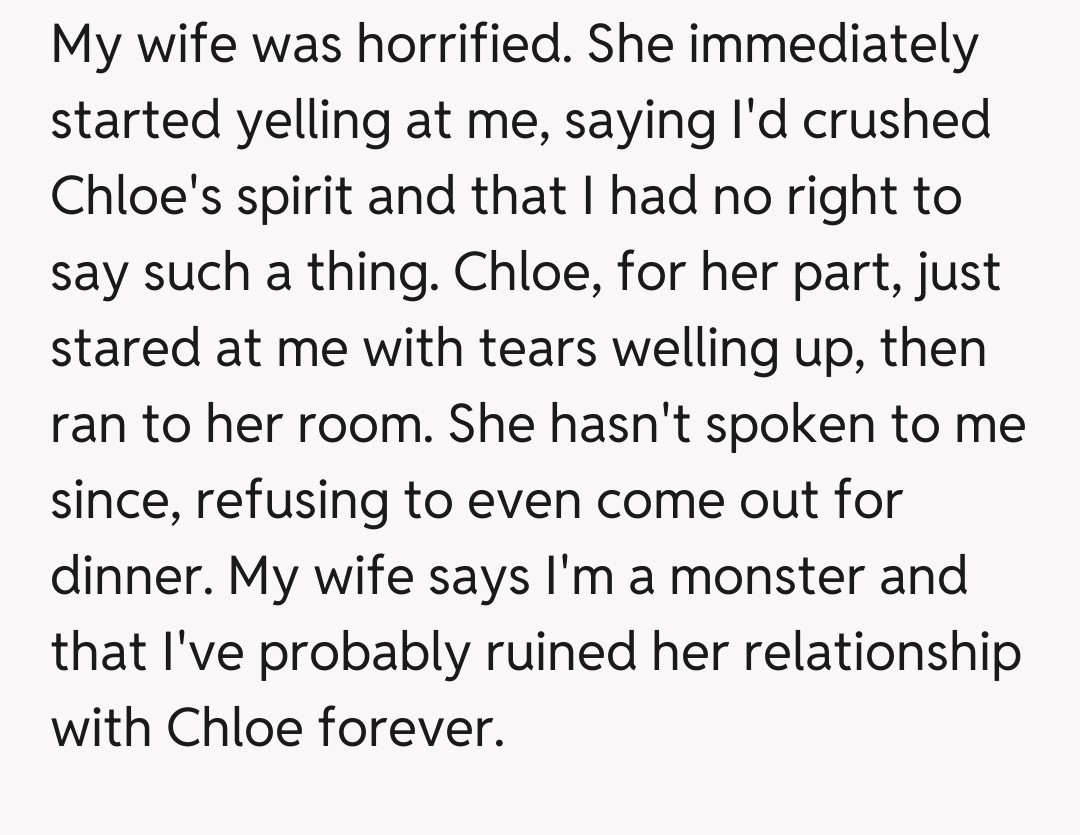
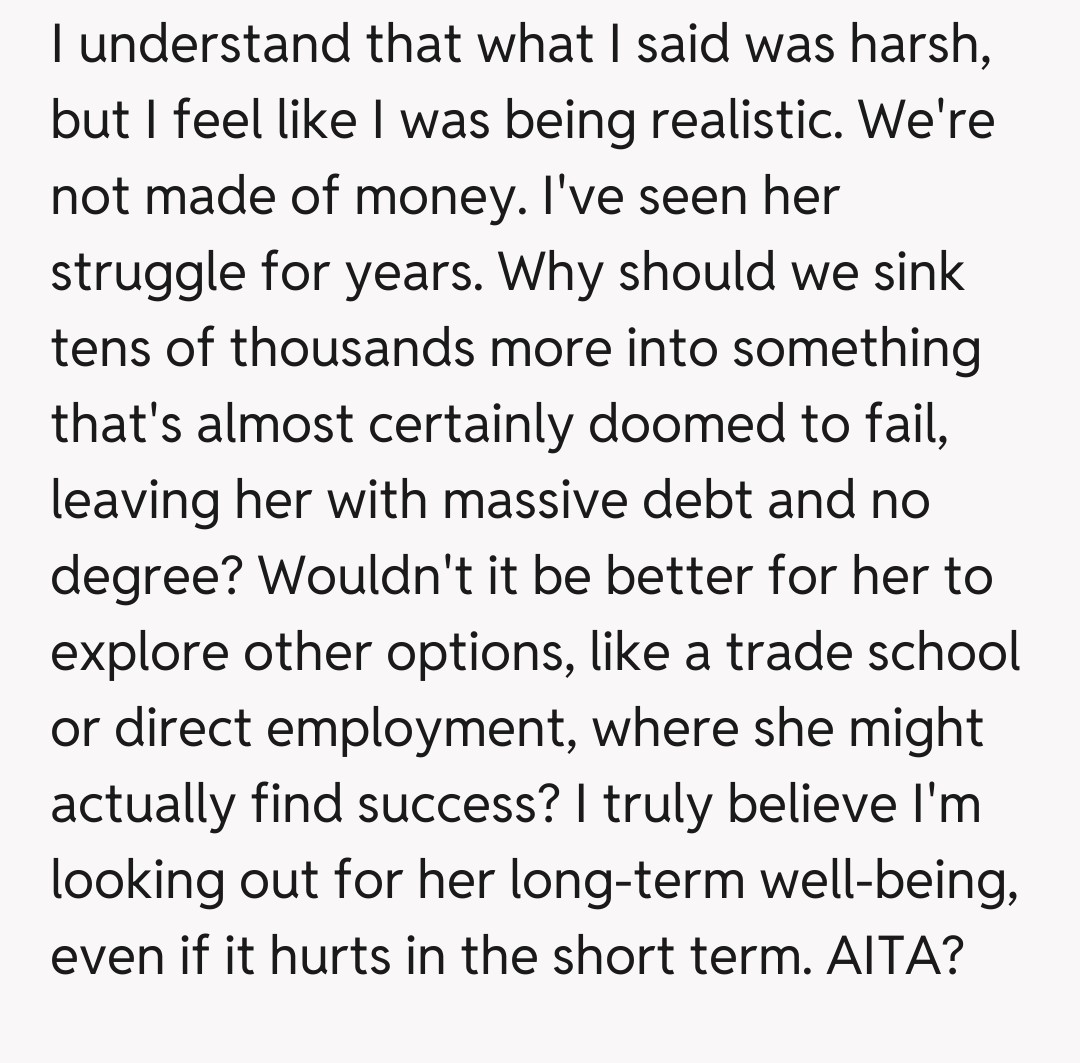
This situation immediately brings up the age-old dilemma of parental responsibility versus a child's right to pursue their dreams. On one hand, the poster (OP) is framing this as a tough love approach, trying to shield his daughter from potential failure and significant financial burden. He sees a pattern of academic struggle and genuinely believes he's offering a pragmatic assessment, however brutally delivered.
However, the delivery of this "truth" is where the primary conflict lies. Calling one's child "too stupid to succeed" is incredibly damaging and crosses a line from constructive criticism to outright emotional abuse. Regardless of academic history, a parent's words hold immense weight, and such a pronouncement can have long-lasting effects on a child's self-esteem and future aspirations.
There are certainly valid concerns about a child's readiness for college, especially when financial investment is significant. Exploring alternatives like community college, vocational training, or even a gap year to mature and find direction are all reasonable parental suggestions. The issue isn't the concern itself, but the dehumanizing language chosen by the father, which overrides any potential good intent.
Ultimately, parental guidance should aim to empower, even when challenging. While OP might feel justified in his assessment, the method employed seems designed to shut down, rather than guide. It begs the question: could this conversation have been handled with more empathy, offering alternatives and support, rather than issuing a blanket condemnation of his daughter's intelligence and potential?
The Internet Weighs In: A Storm of Opinions on Parental "Honesty"
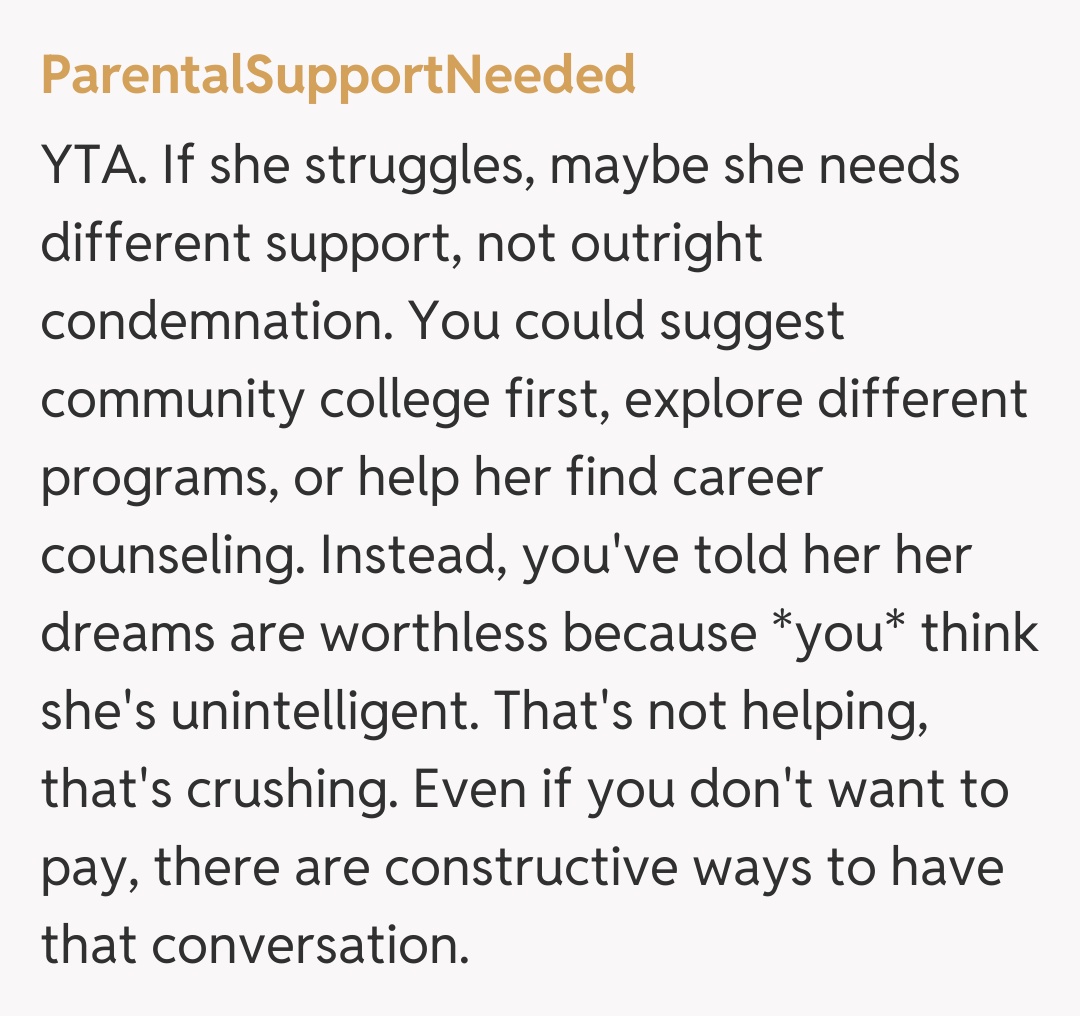
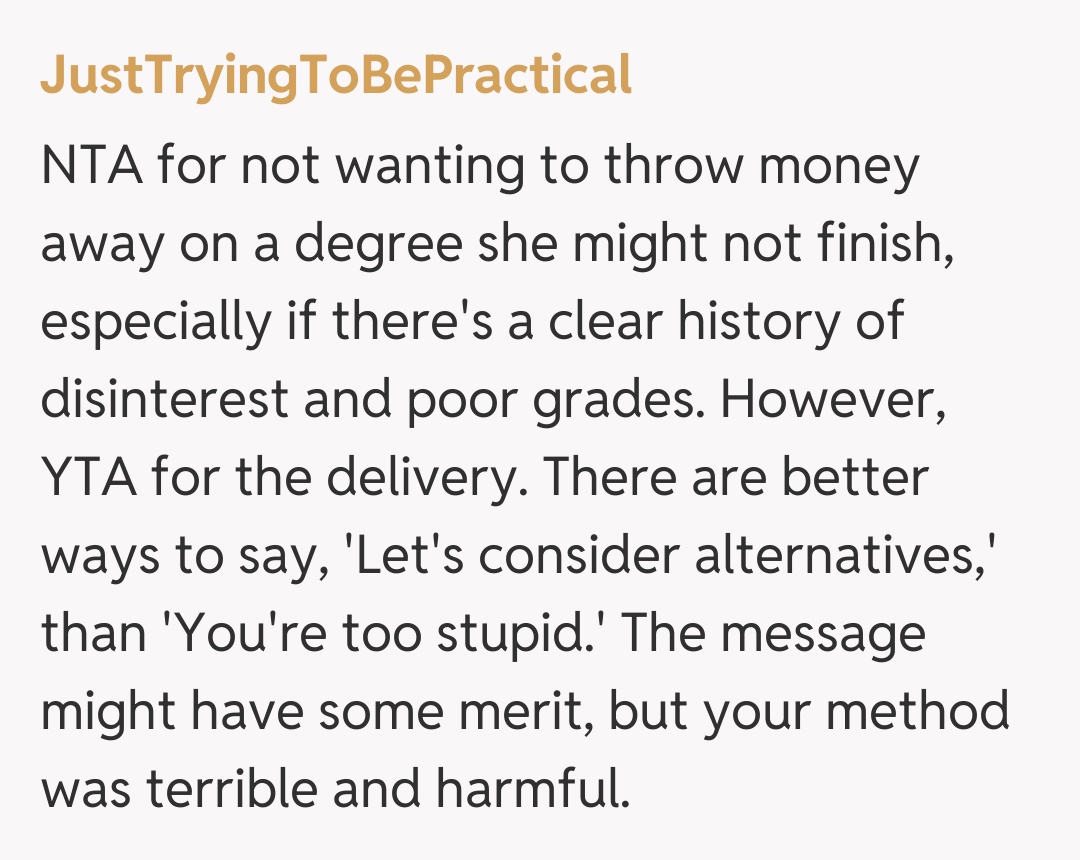
As expected, the comments section lit up like a Christmas tree, predominantly with "YTA" verdicts for our poster. Users were quick to point out the irreparable damage such words can inflict on a young person's psyche. Many shared personal anecdotes of similar parental negativity, emphasizing how it stifled their ambitions or, conversely, fueled their determination to prove their parents wrong.
A recurring theme was the distinction between financial non-support and outright verbal degradation. While many agreed parents aren't obligated to fund college, the manner in which OP communicated his decision was almost universally condemned. Some suggested alternative pathways like community college or working to pay for studies, but all underscored the cruel nature of his language.


This AITA post serves as a potent reminder of the power of words, especially those spoken by parents. While financial realities and concerns about a child's future are absolutely valid, the way these discussions are approached can make all the difference. Empathy, guidance, and open communication should always trump cruel assessments. Let's hope this family can find a path to repair the damage and find a more supportive way forward for Chloe's future.