AITA for telling my husband his breathing sounds like he’s constantly congested and it’s disgusting?
We've all been there: those tiny quirks our partners have that, over time, can morph from endearing habits into nails-on-a-chalkboard annoyances. It's easy to overlook them initially, but sometimes, a seemingly minor issue can ignite a full-blown marital dispute. Today's AITA post dives deep into one such intimate, yet deeply irritating, domestic scenario that many might secretly relate to but hesitate to discuss openly.\nOur user, who we'll call 'AnnoyedWife,' presented a situation that sparked a lively debate in the comments section. She's asking if she crossed a line by being brutally honest about her husband's breathing. It's a delicate balance between honesty and kindness, especially when addressing something as involuntary and personal as a bodily function. Let's unpack this sensitive situation and see where the community landed on her predicament.

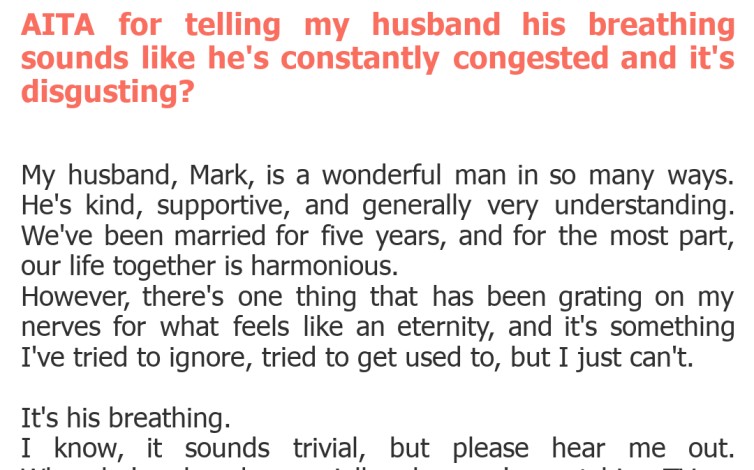
"AITA for telling my husband his breathing sounds like he's constantly congested and it's disgusting?"
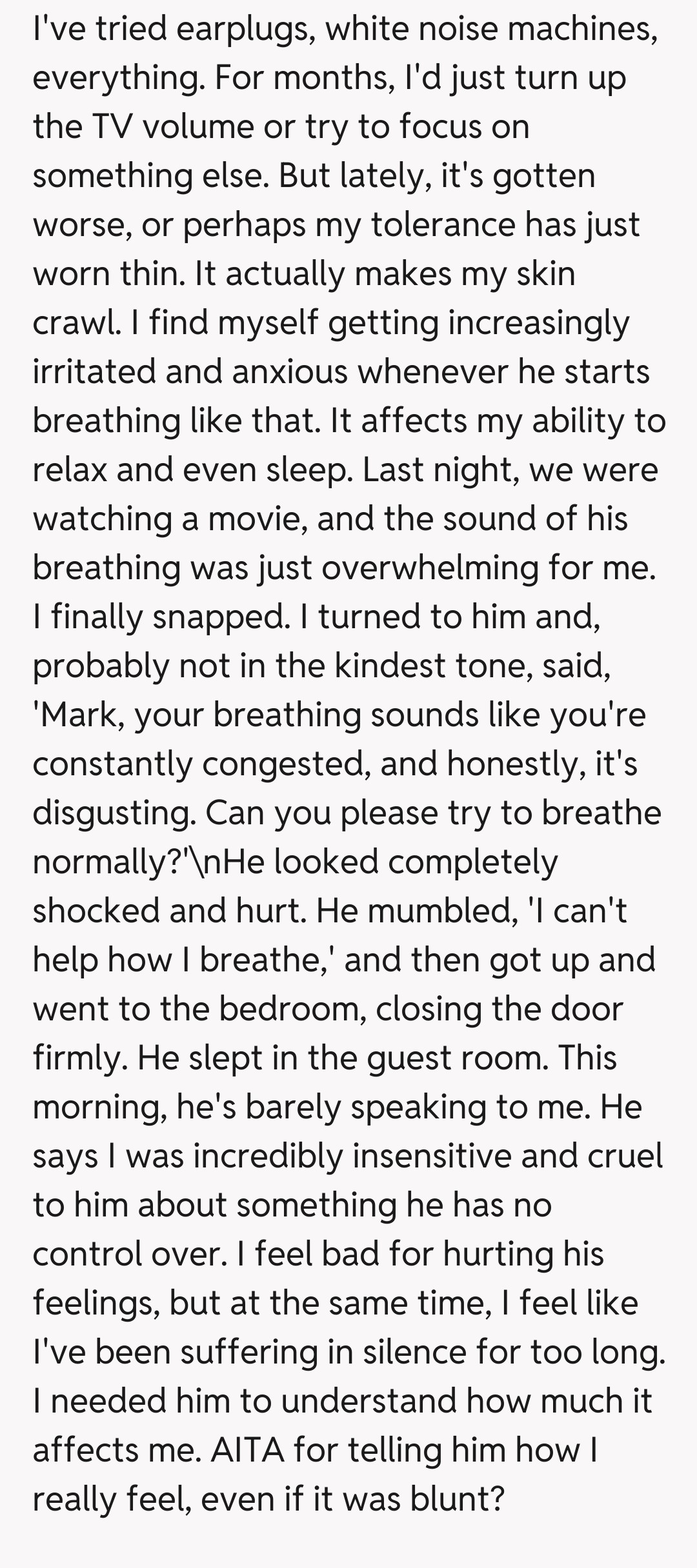
This story hits on a classic relationship conundrum: the delicate balance between brutal honesty and empathetic communication. On one hand, the original poster (OP) has been quietly enduring a genuinely irritating habit that significantly impacts her peace and sleep. Living with a constant source of discomfort, especially something so pervasive as breathing sounds, can undoubtedly wear down one's patience and lead to a breaking point, as it clearly did here.\nHowever, the delivery of her complaint is where the issue truly lies. Calling someone's involuntary bodily function 'disgusting' is inherently shaming and incredibly harsh. While her frustration is valid, the choice of words crossed a line into cruelty. It attacks something fundamental to a person, something they often cannot consciously control in the moment, making the recipient feel targeted and humiliated rather than understood.\nFrom the husband's perspective, this was likely a blindsiding attack on a physical trait he's unaware of or powerless to change. Imagine being told something integral to your being is 'disgusting' by the person you love most. His reaction of shock and hurt, and retreating to the guest room, is completely understandable. He probably feels deeply misunderstood and insulted, rather than acknowledging her underlying distress.\nUltimately, while the OP had a right to address her discomfort, the method was counterproductive. A more gentle, solution-oriented approach could have been: 'Honey, I've noticed your breathing sometimes sounds quite heavy, especially when you're relaxed. It's impacting my sleep, and I wonder if you might see a doctor to check if anything can be done.' This addresses the issue without shaming, opening a path for a collaborative solution.
The Verdict Is In: Was Her Honesty Too Harsh?
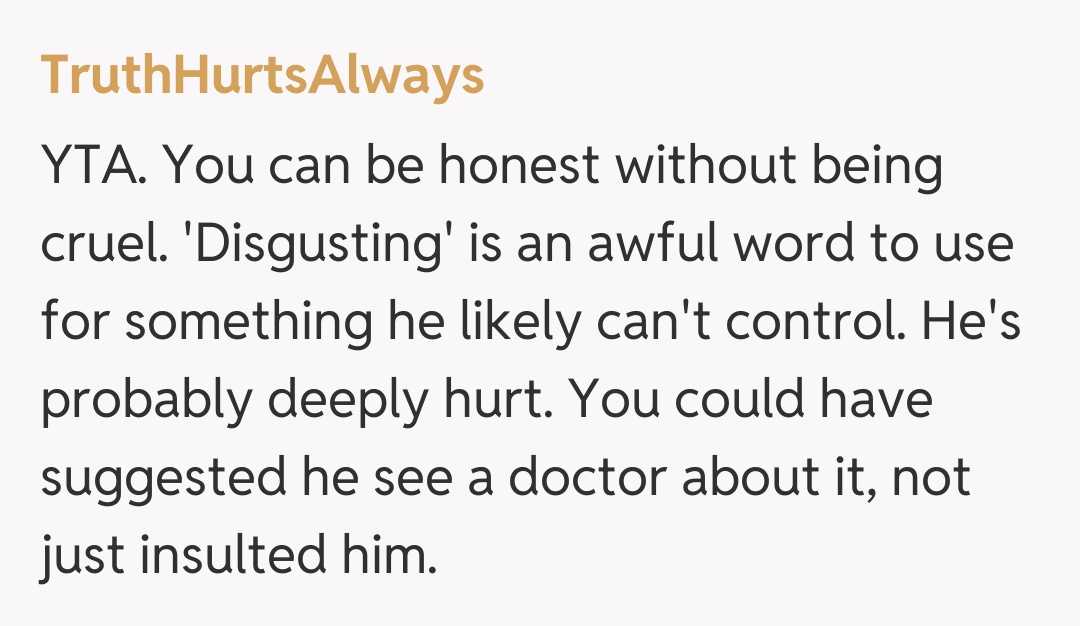
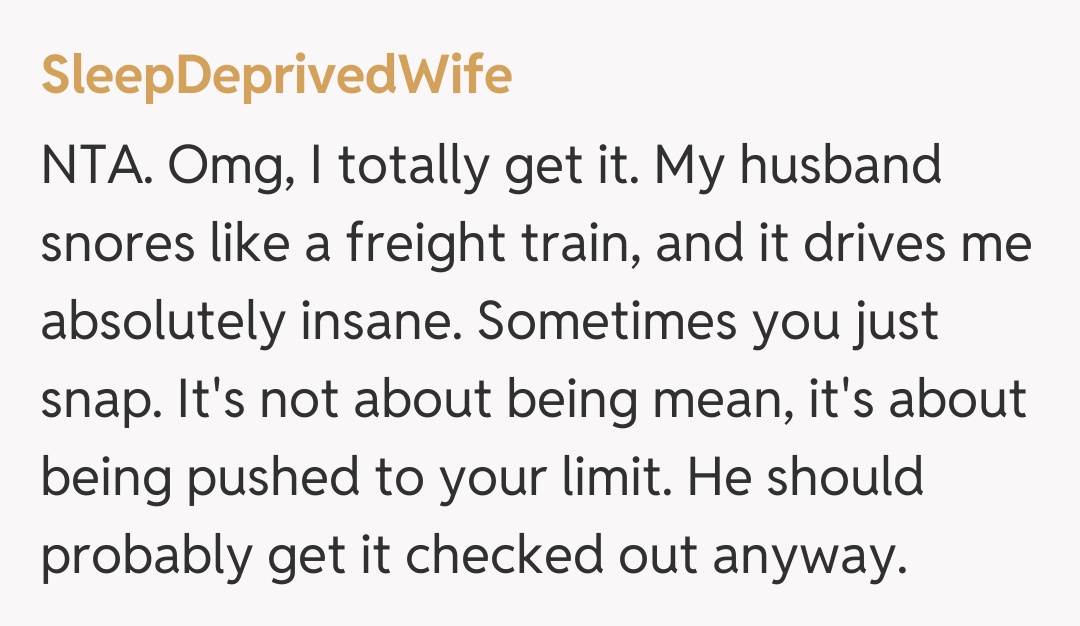
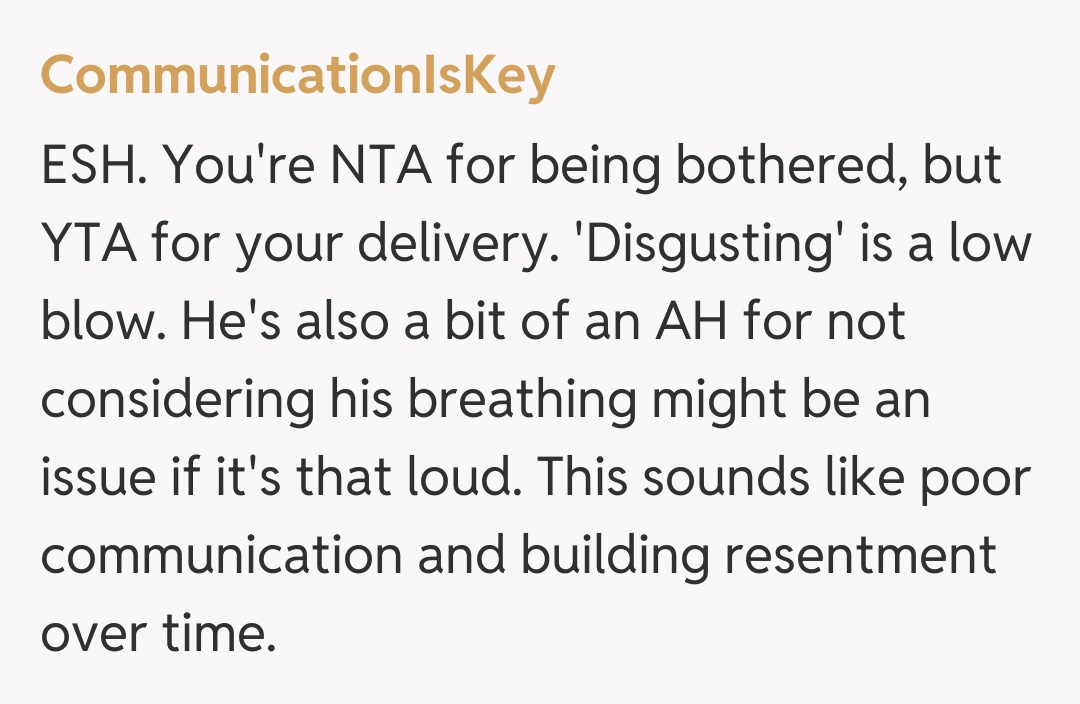
The comment section for this post was, as expected, a lively debate with strong opinions on both sides. Many users sympathized with the original poster's frustration, acknowledging how irritating involuntary bodily noises can be, especially in quiet environments like a bedroom. Several recounted similar experiences with snoring or other breathing issues, validating her struggle and suggesting that the husband should at least consider a medical check-up to rule out underlying issues.\nHowever, a significant portion of the comments unequivocally declared her the 'A******,' not for having the feeling, but for the harshness of her words. The term 'disgusting' was highlighted as particularly cruel and unnecessary, pointing out that there are far more empathetic ways to express discomfort. The general consensus leaning towards 'ESH' (Everyone Sucks Here) suggests a failure in communication from both sides: her for the blunt delivery, and perhaps him for not having been aware or addressed potential breathing problems earlier.
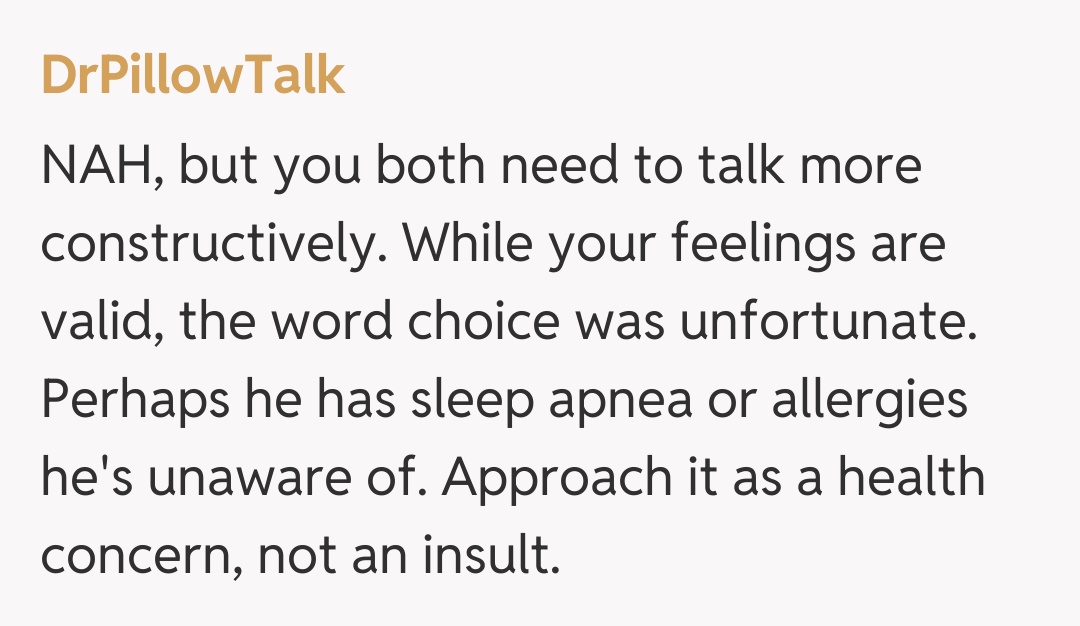
This AITA post serves as a potent reminder that even in the most loving relationships, the way we communicate our frustrations matters immensely. While it's crucial to voice your needs and discomforts, the language used can either open a dialogue or shut it down completely. Hopefully, this couple can move past the initial hurt and find a more compassionate way to address the issue, perhaps by focusing on potential health solutions rather than criticisms. Remember, a little empathy goes a long way, especially when discussing sensitive, involuntary bodily functions.