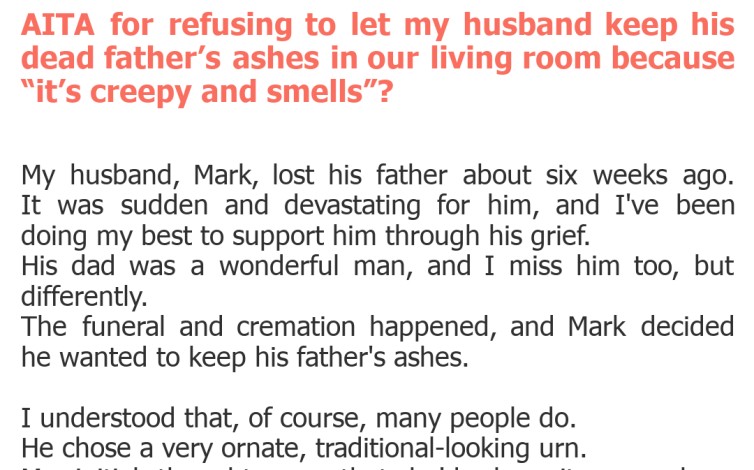
AITA for refusing to let my husband keep his dead father’s ashes in our living room because “it’s creepy and smells”?
Alright, folks, buckle up because today’s AITA takes us straight into the delicate, often contentious, world of grief and home decor. When a loved one passes, the bereaved often cling to mementos, and sometimes, those mementos include something as intensely personal as cremated remains. It's a deeply emotional subject, and what one person finds comforting, another might find… well, let's just say, less than ideal for their living space.\nOur OP is navigating this exact tightrope walk, grappling with her husband's profound grief while also trying to maintain a sense of comfort in her own home. The challenge arises when his chosen method of honoring his late father clashes directly with her personal boundaries and sensory perceptions. Is there a right way to grieve, or a right place for an urn? Let's dive into the messy reality of it all.

"AITA for refusing to let my husband keep his dead father’s ashes in our living room because “it’s creepy and smells”?"
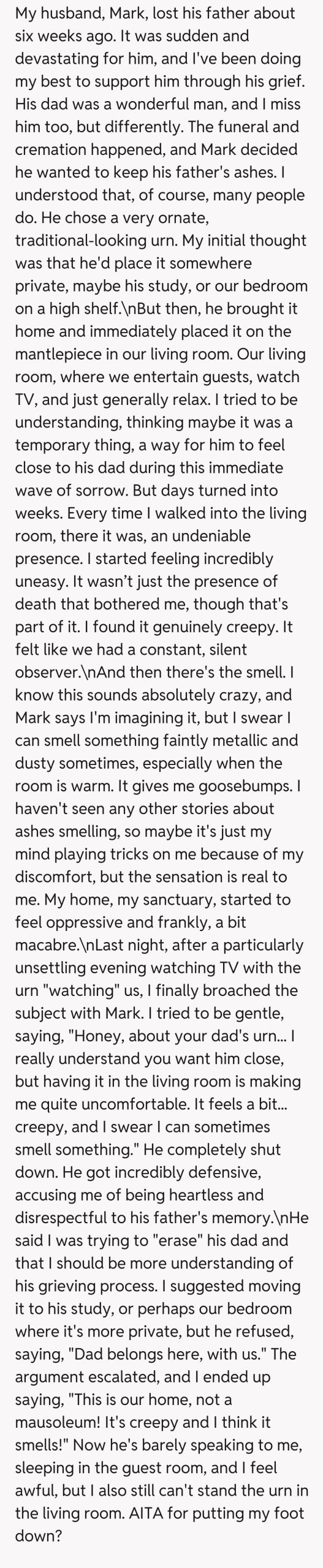
This is a truly heartbreaking situation, touching on the rawest edges of grief, personal space, and marital harmony. On one hand, we have a husband deeply mourning his father, wanting to keep a tangible piece of him close. The desire to have a loved one's ashes in a prominent place is a common coping mechanism, a way to maintain connection and honor their memory. For Mark, the living room likely represents the heart of the home, a place where his father's presence can still be felt, even in absence.\nHowever, the OP's feelings are equally valid and deserve serious consideration. A home is meant to be a sanctuary for *everyone* living in it. If an object, even one as sacred as an urn, causes significant discomfort, anxiety, or even a perceived sensory issue for one partner, it creates a palpable tension that undermines the very essence of comfort and peace in that shared space. Her feelings of "creepiness" might be subjective, but their impact on her is very real.\nThe accusation of a "smell," while potentially psychosomatic given the nature of cremated remains, is a powerful indicator of her deep aversion. When our minds register such strong negative sensory inputs, it's often a manifestation of underlying emotional distress. Dismissing her feelings, especially by accusing her of being heartless, is counterproductive. Grief is complex, and while Mark is suffering, he cannot dictate how others should experience his loss, or how they should feel in their own home.\nThe core issue here isn't just the urn, but a profound lack of empathy and communication in a moment of extreme vulnerability. Both partners are hurting, but their pain is manifesting in conflicting ways. A compromise is desperately needed, one that honors Mark's grief without sacrificing OP's sense of peace and comfort in her own home. The suggestion of the study or bedroom seems a reasonable starting point for negotiation, not outright rejection.
The Urn-Expected Divide: Is Grieving a Free Pass to Creepy Home Decor?
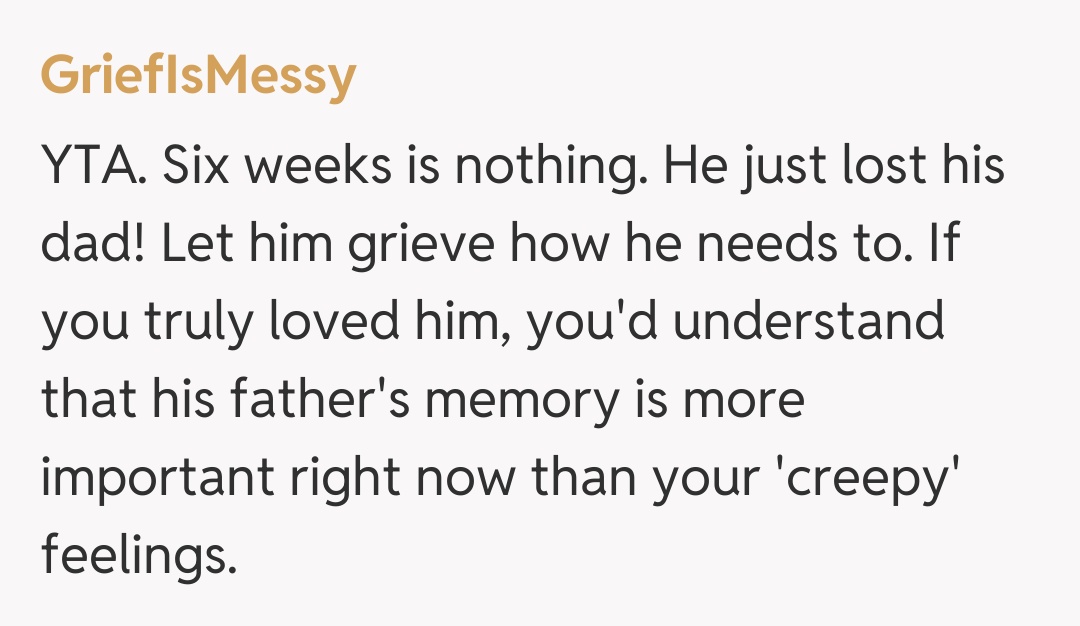
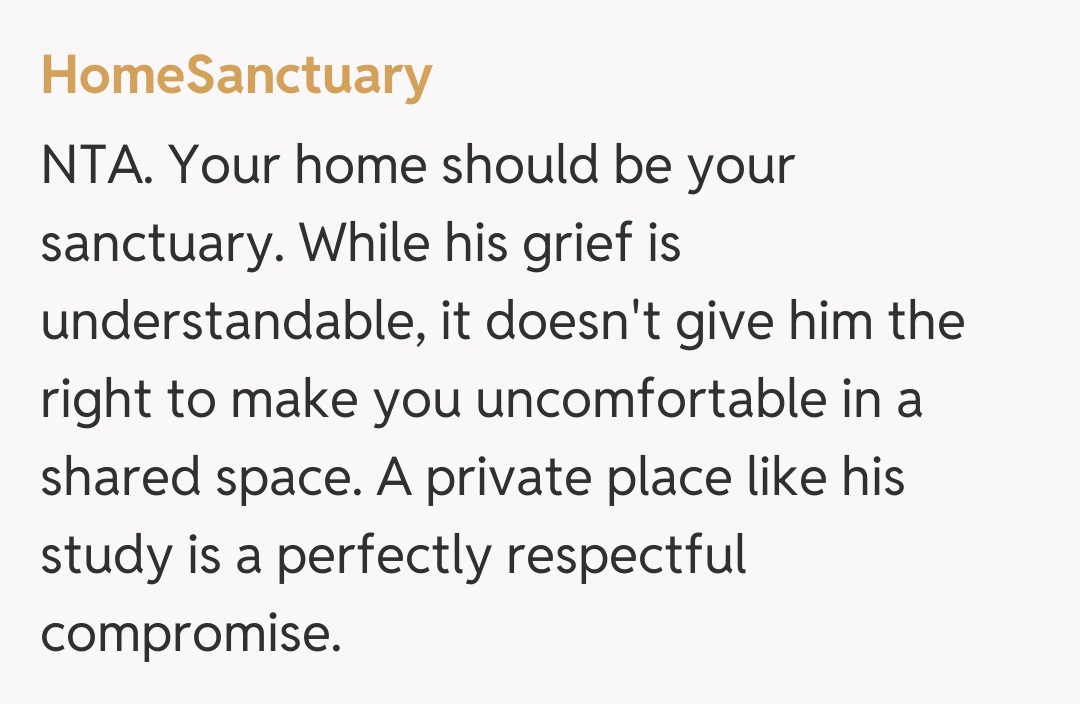
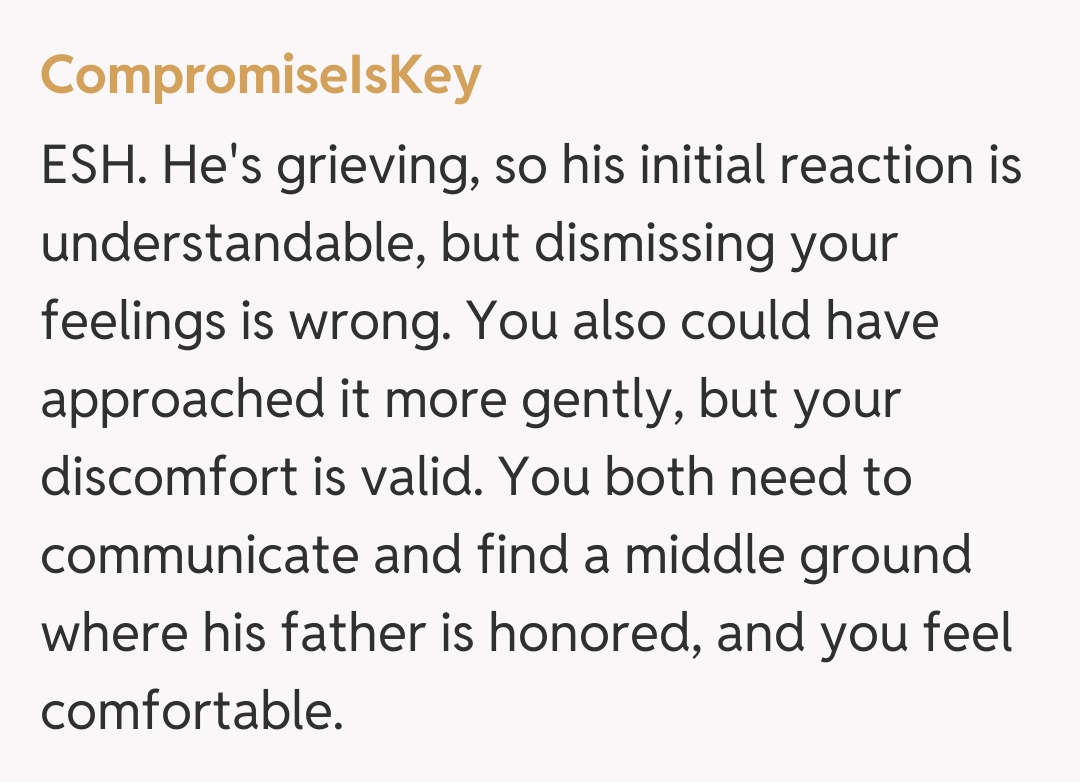
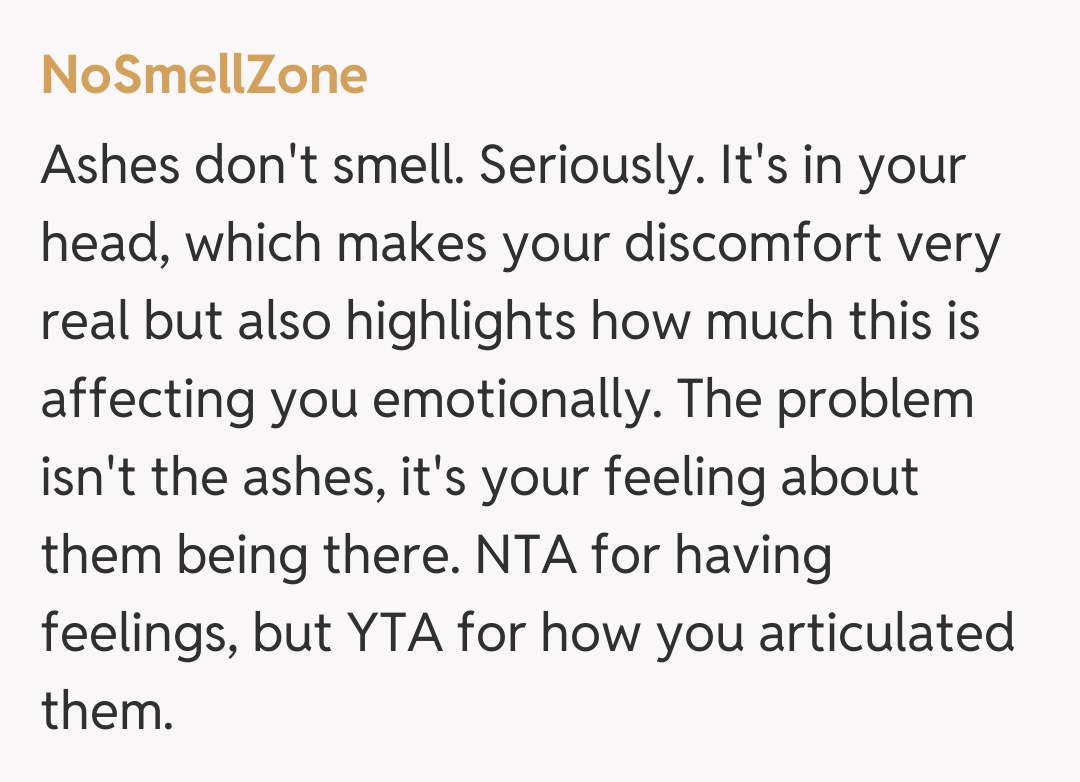
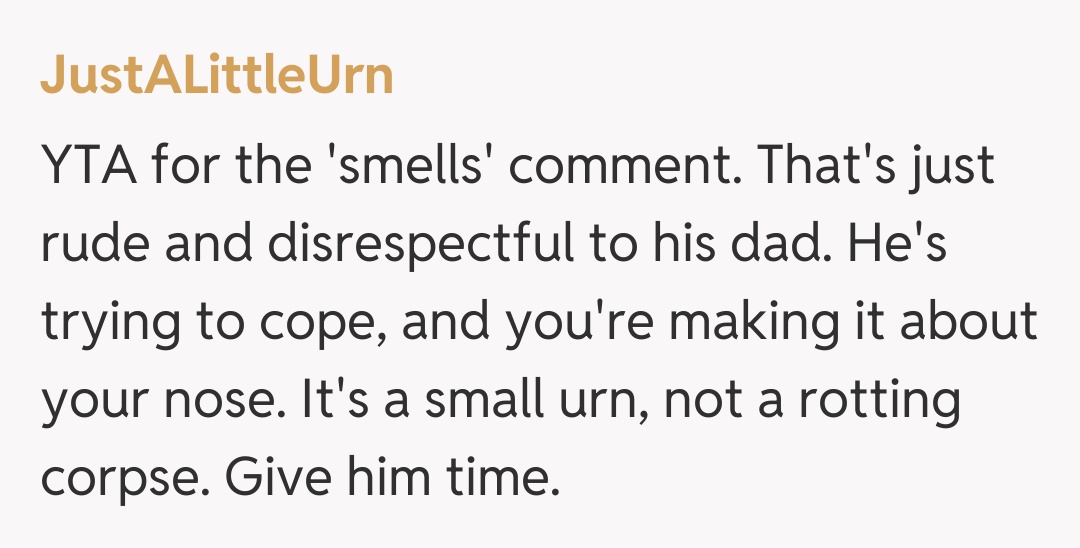
The comment section on this one is absolutely buzzing, and it's clear there's no easy consensus. Many readers are quick to sympathize with Mark, emphasizing the sanctity of grief and how OP should be more understanding. They argue that six weeks is a very short time in the grieving process, and Mark needs his father's presence close. Accusations of insensitivity are flying, with some suggesting OP is selfish for prioritizing her comfort over her husband's profound sorrow.\nOn the flip side, a significant portion of the comments firmly stand with the OP. They highlight the importance of a shared living space being comfortable for *both* residents. Many agree that while grief is valid, it doesn't grant carte blanche to make a communal area feel oppressive for the other partner. Suggestions for compromise, like a designated space that's still accessible but less central, are prevalent, pointing out that an urn can be honored without being front and center in the main living room.
This AITA story serves as a stark reminder that even in the deepest sorrow, partnership requires communication, empathy, and a willingness to compromise. Grief can be an isolating journey, but it shouldn't be a wedge between partners. While Mark's pain is immense, dismissing his wife's discomfort is not a sustainable path. Conversely, the wife’s choice of words, though likely fueled by frustration, exacerbated an already tender situation. Ultimately, moving forward requires open hearts, a therapist if necessary, and finding a solution that respects both their needs in their shared home.