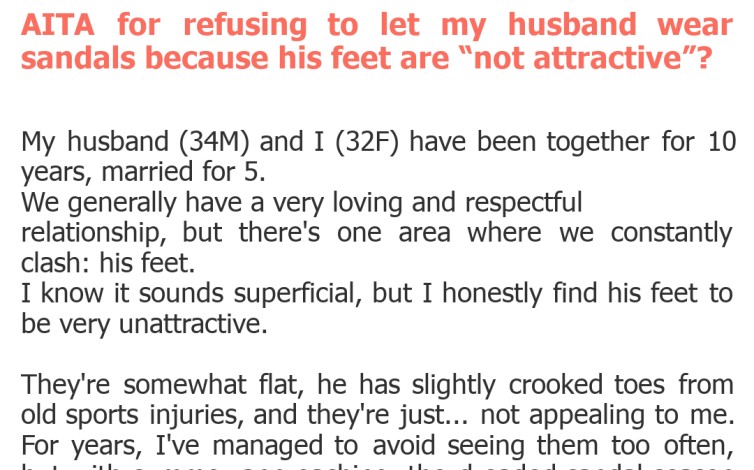
AITA for refusing to let my husband wear sandals because his feet are “not attractive”?
Today, we're stepping into a rather thorny marital dilemma that has everyone divided: the contentious topic of foot aesthetics in a relationship. Our original poster (OP) has a very strong, shall we say, 'pedal' preference, and it's causing a significant rift with her husband. It's a story that touches on personal aversions, boundaries, and the fine line between expressing a preference and exercising control over a loved one.
It’s common for partners to have minor dislikes or pet peeves about each other, but when does a personal aesthetic preference become an issue of disrespect or control? This isn't just about choosing shoes; it delves deep into bodily autonomy, the impact of shaming, and how much influence one person should have over another's comfort and appearance. Prepare for some strong opinions, because this one has people walking a tightrope.

"AITA for refusing to let my husband wear sandals because his feet are “not attractive”?"
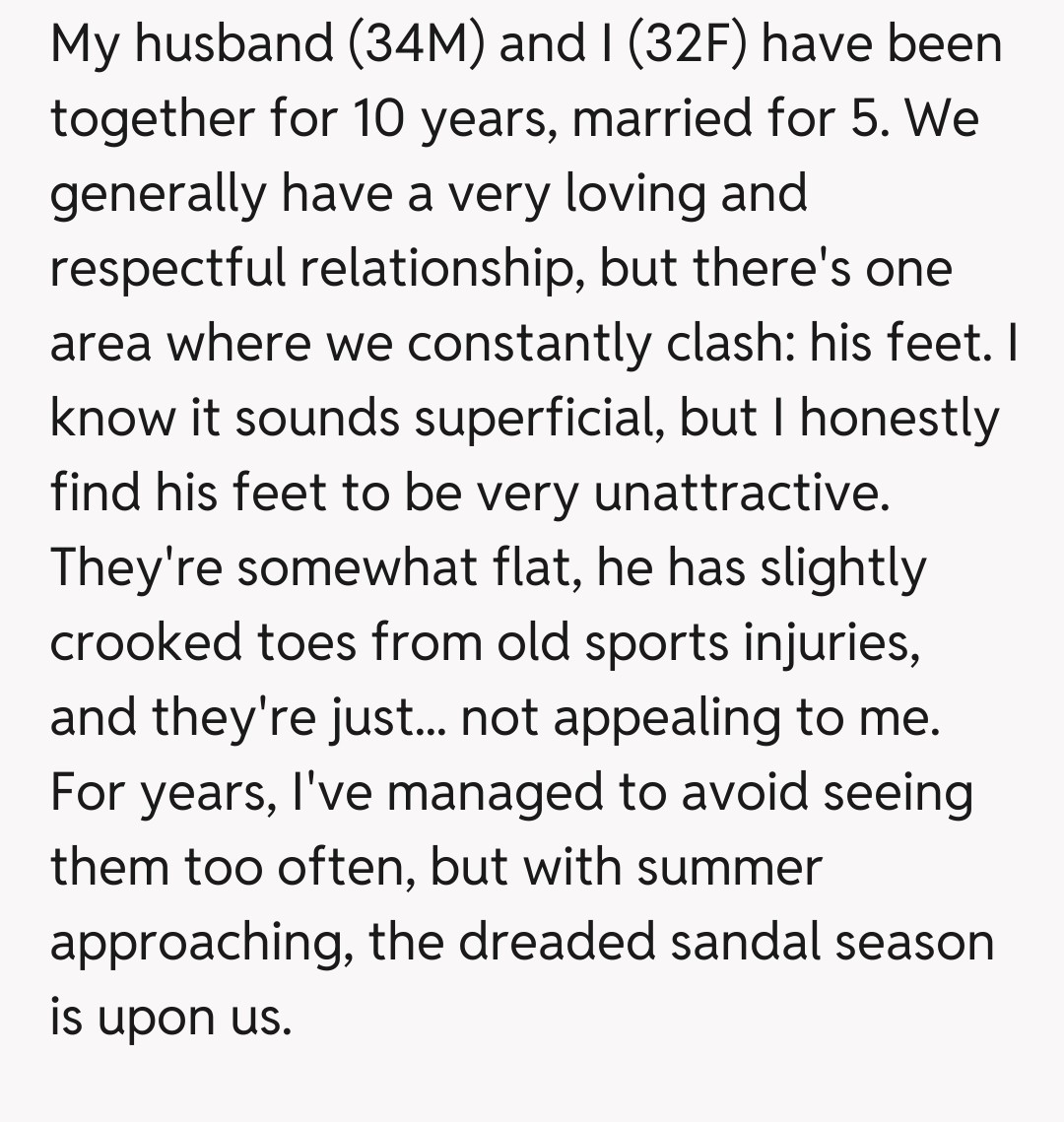
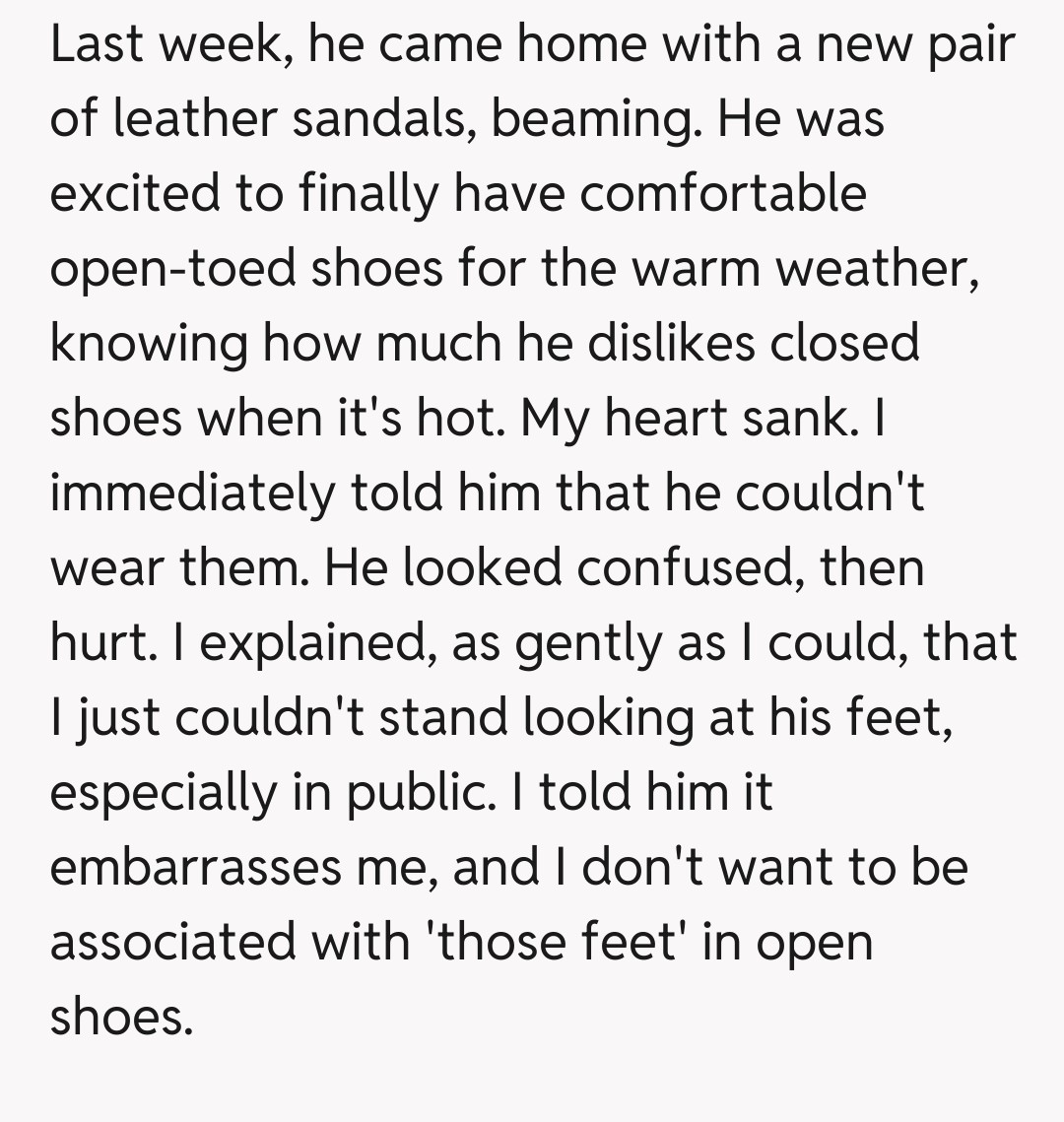
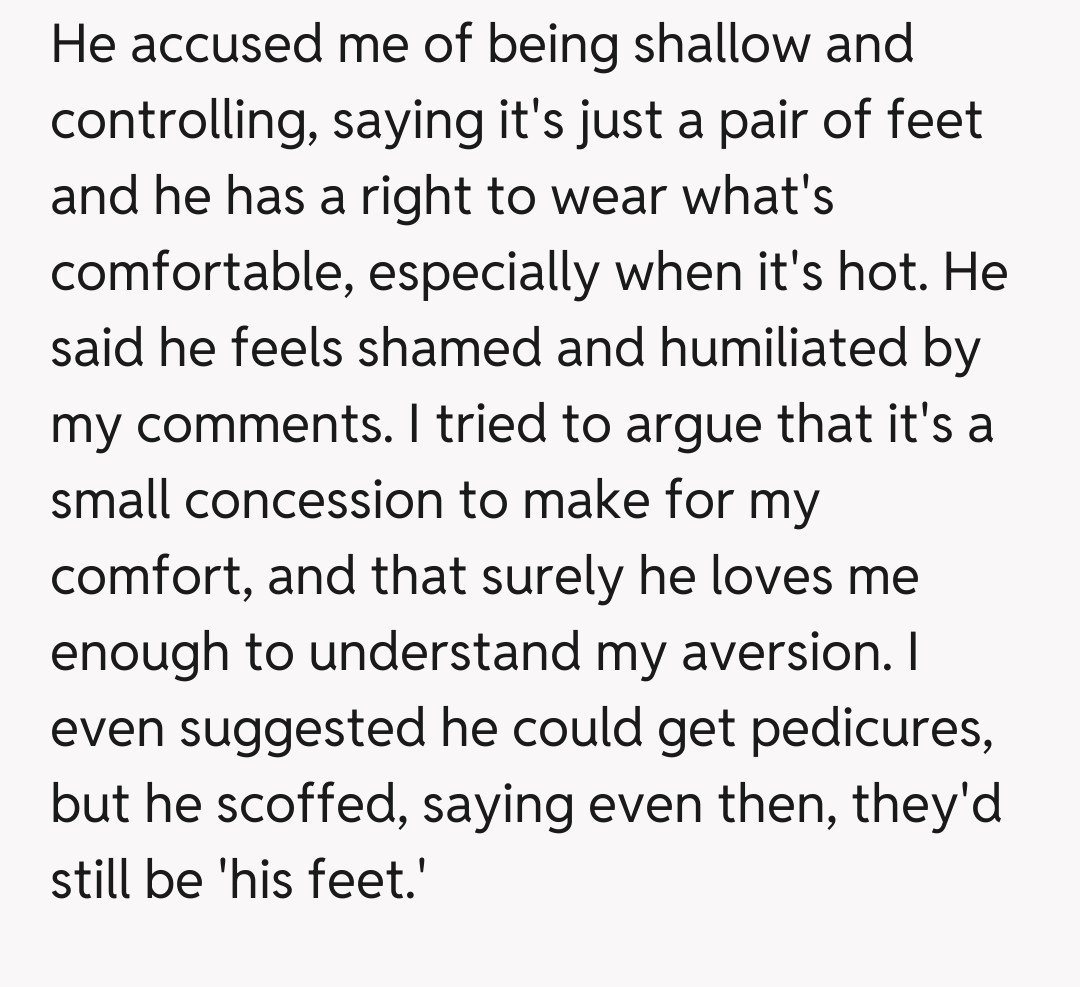
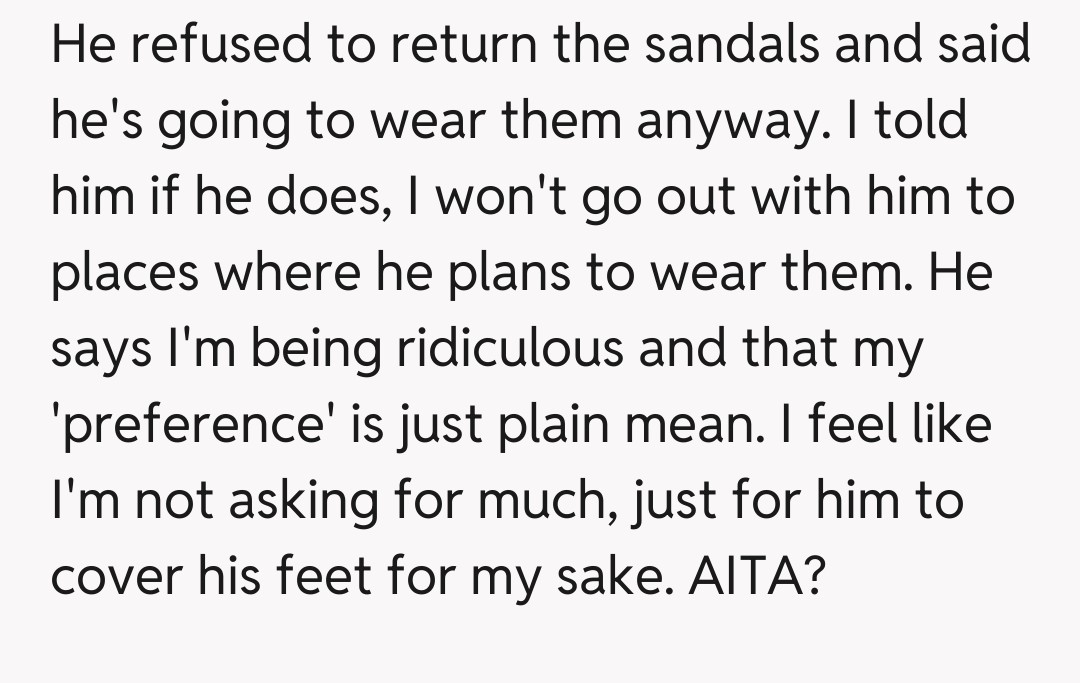
This post really highlights the uncomfortable intersection of personal aesthetic preferences and the respect we owe our partners. On one hand, the OP is upfront about her visceral dislike for her husband's feet. It's understandable to have preferences, even strong ones, about physical appearance. For some, certain features can genuinely be off-putting, and that's a valid personal feeling, even if it feels superficial to others.
However, the issue here isn't just about an internal preference; it's about how that preference is being enforced within the relationship. Telling a partner what they 'can' and 'cannot' wear, especially based on a physical feature they can't change, steps into controlling territory. It implies that her comfort and aesthetic sensibilities take precedence over his physical comfort and personal autonomy.
From the husband's perspective, being told his feet are 'unattractive' and that he's forbidden from wearing comfortable footwear in summer must feel incredibly shaming and humiliating. His body, his choice of clothing – these are fundamental aspects of personal freedom. This isn't about a fashion disagreement; it's about being judged and restricted for something beyond his control, potentially eroding his self-esteem.
Ultimately, a healthy relationship requires open communication and compromise. While the OP is entitled to her feelings, demanding her husband conform to her aesthetic desires at the expense of his comfort and dignity is problematic. Finding a middle ground, perhaps through open dialogue about the impact of her words and his feelings, rather than issuing ultimatums, would be a more constructive path forward.
Feet First into a Fiery Debate: What the Internet Has to Say!
The comments section for this story quickly became a battleground of opinions, much like anticipated. Many users sided strongly with the husband, highlighting the importance of bodily autonomy and calling the OP's stance shallow and controlling. The consensus among these commenters was that love should supersede such superficial dislikes, and that shaming a partner for their natural appearance is a major red flag in a relationship.
Conversely, a significant portion of the audience expressed empathy for the OP's aesthetic aversion, admitting they too have 'gross-out' triggers or preferences regarding feet. Some suggested the husband should indeed consider a pedicure for basic grooming, while others pointed out that sometimes a visceral dislike is simply that, and it's hard to overcome. The debate often circled back to whether personal discomfort justifies controlling a partner's choices.
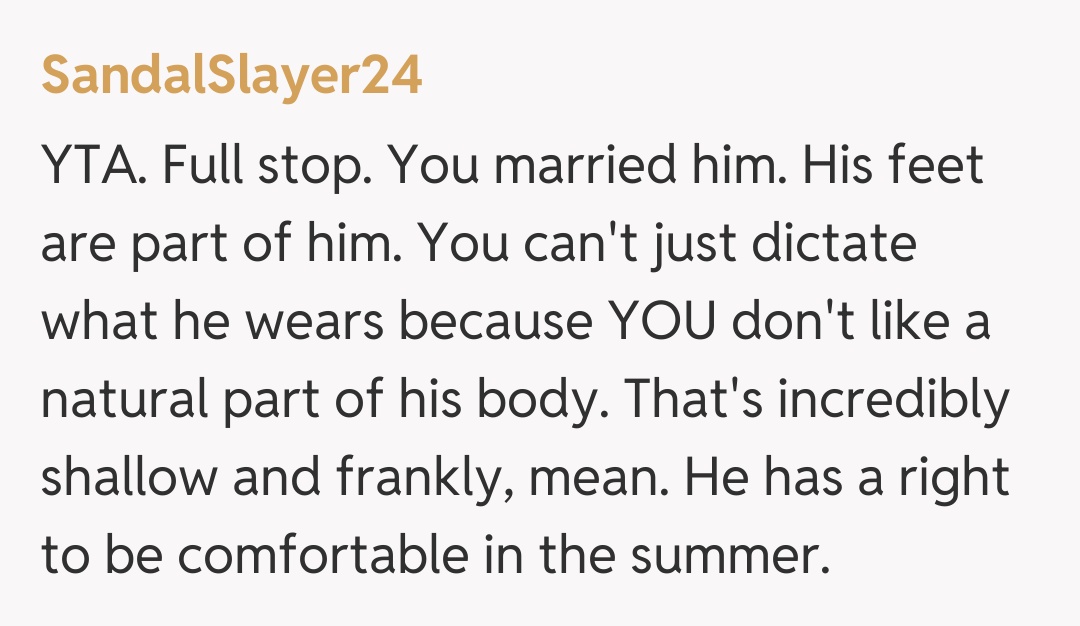
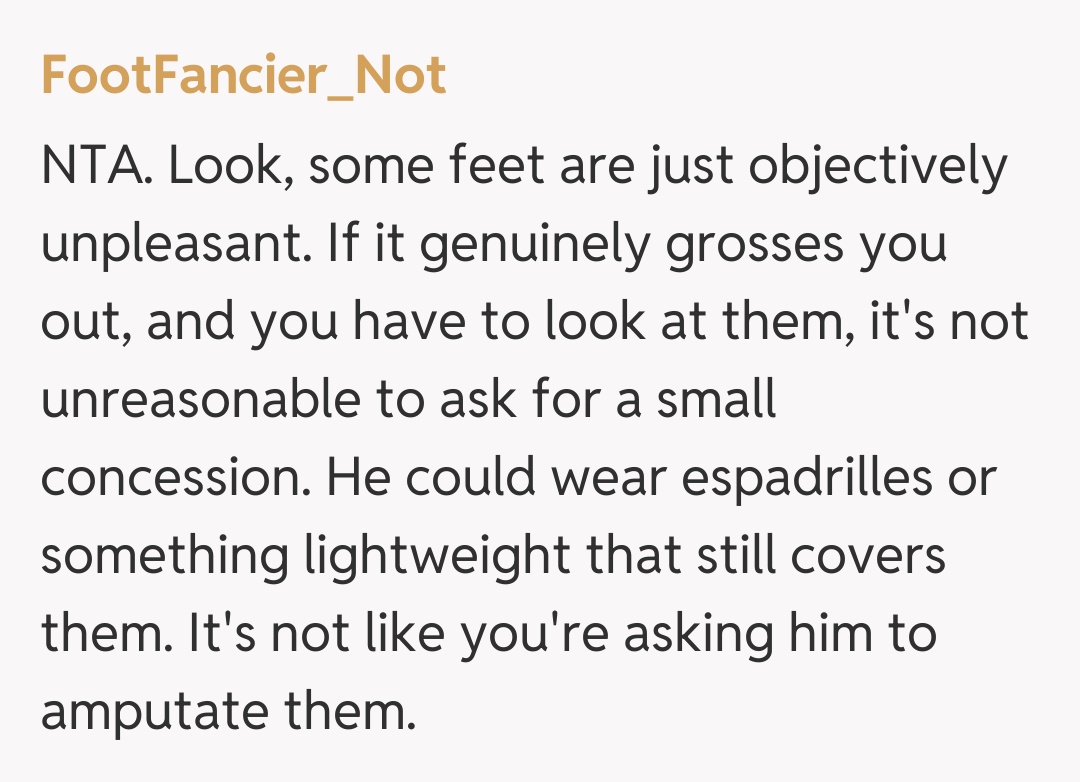
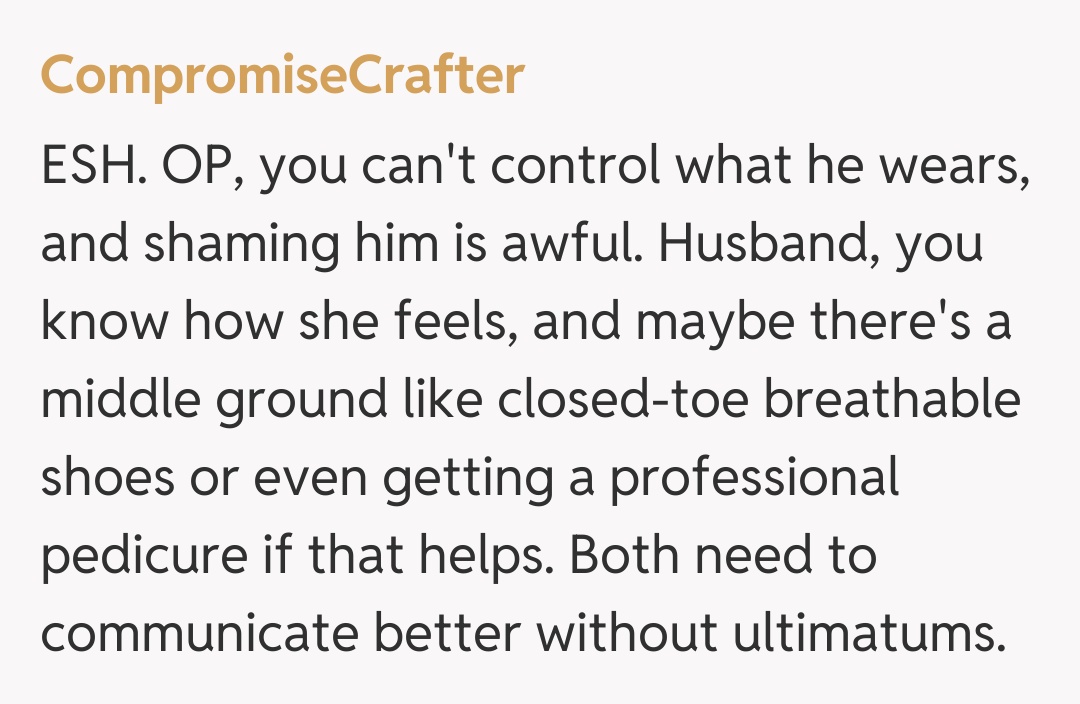
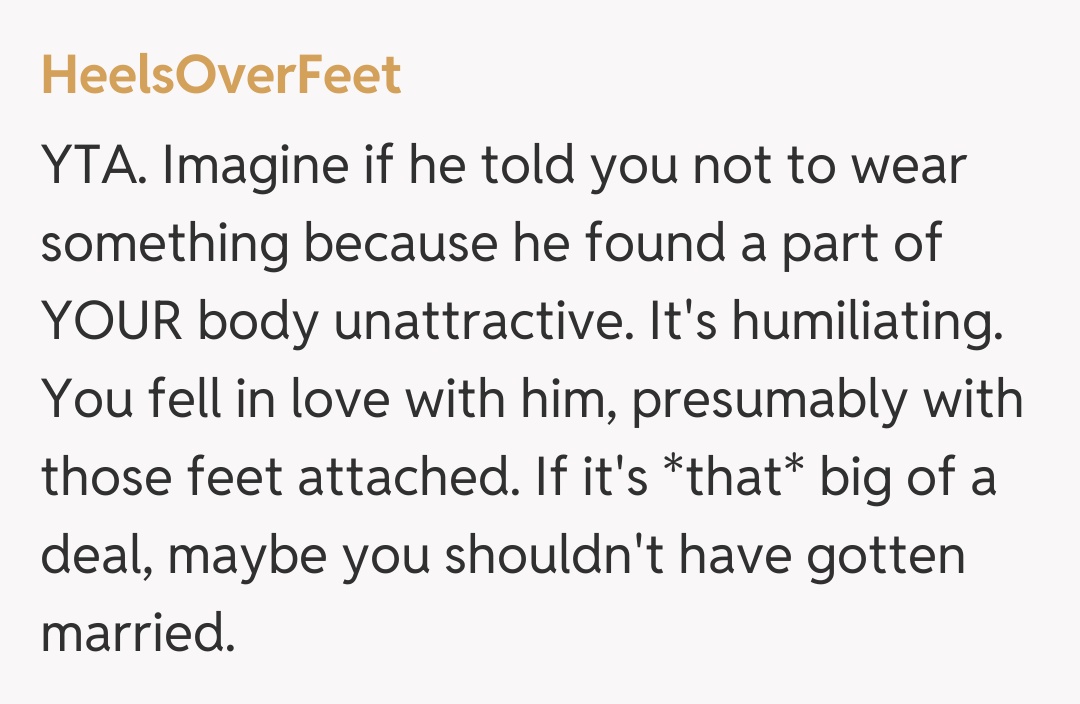
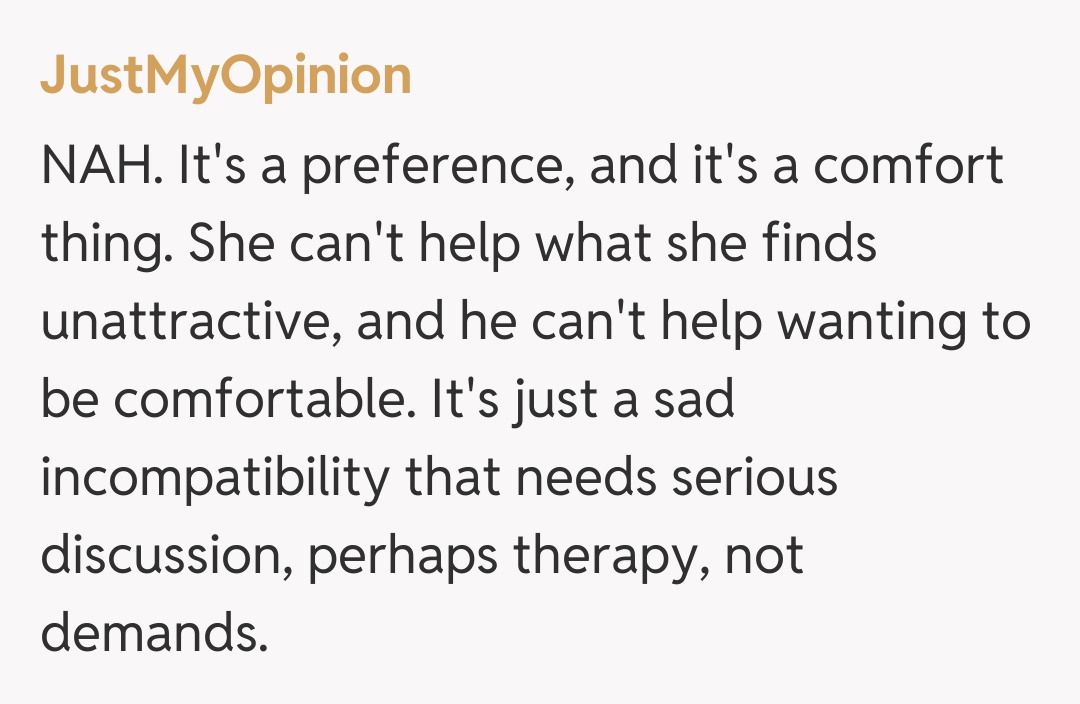
This AITA post about sandal-gate truly highlighted the complexities of relationships where personal preferences butt up against personal freedom. While it's valid to have aesthetic tastes, demanding a partner change their attire due to a natural bodily feature can cross into controlling behavior, fostering resentment. Ultimately, this situation calls for a deeper conversation about respect, bodily autonomy, and how to navigate strong dislikes without shaming. Finding a compromise that prioritizes both comfort and mutual respect, rather than issuing ultimatums, is key for a healthy partnership.