AITA for telling my wife that her C-section scar is a turn-off and she should get plastic surgery to fix it?
Welcome back, dear readers, to another edition of "Am I the AITA?" Today's submission is one that's sure to ignite a firestorm of debate, touching on highly sensitive topics like body image, marital communication, and the often unspoken realities post-childbirth. Our anonymous poster, let's call him "Scarred Husband," has approached us with a dilemma that has left his marriage in turmoil. Prepare yourselves, because this one hits deep.
The story revolves around a C-section scar, a symbol of life-giving for many mothers, but for Scarred Husband, an unexpected source of discomfort. He's asking if he's wrong for expressing his honest feelings to his wife, even if those feelings were undeniably hurtful. It's a classic case of honesty versus empathy, and we're here to unpack the layers of this emotional saga.

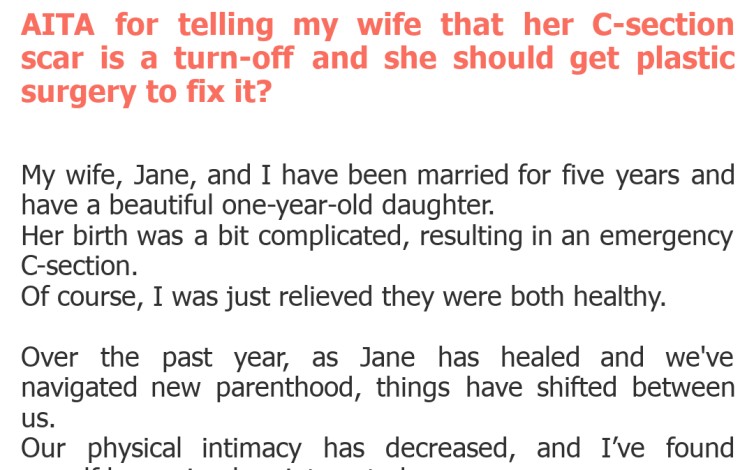
"AITA for telling my wife that her C-section scar is a turn-off and she should get plastic surgery to fix it?"
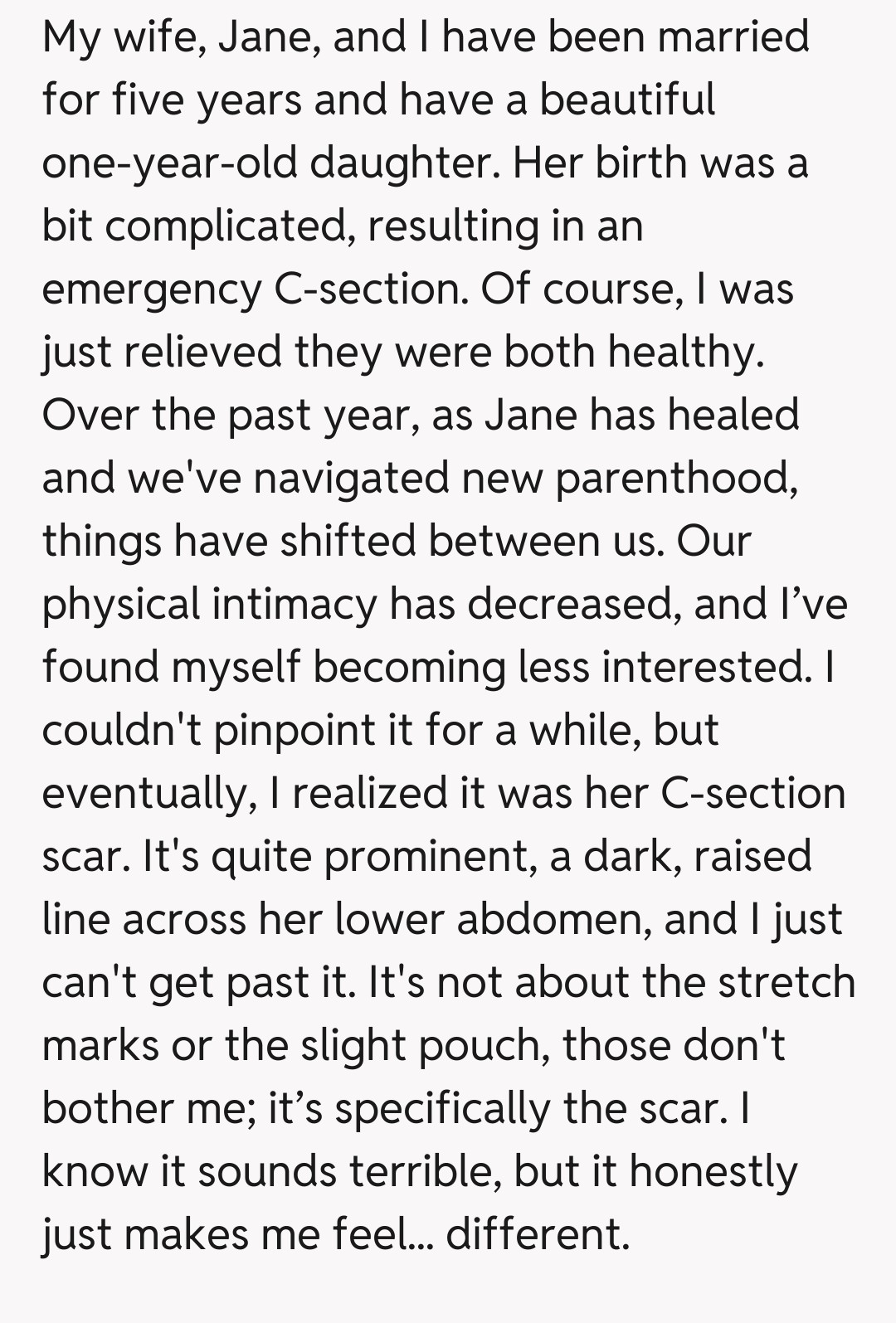
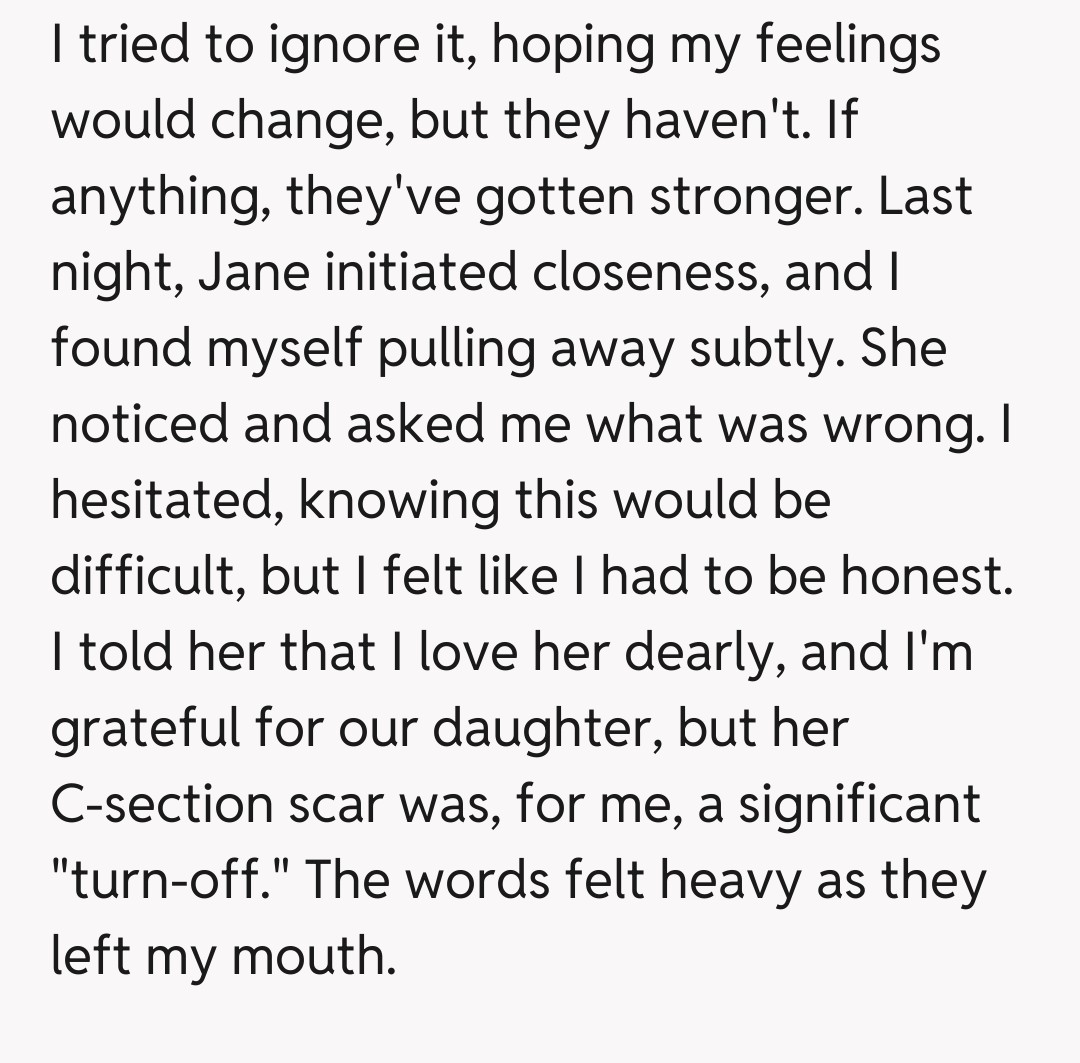
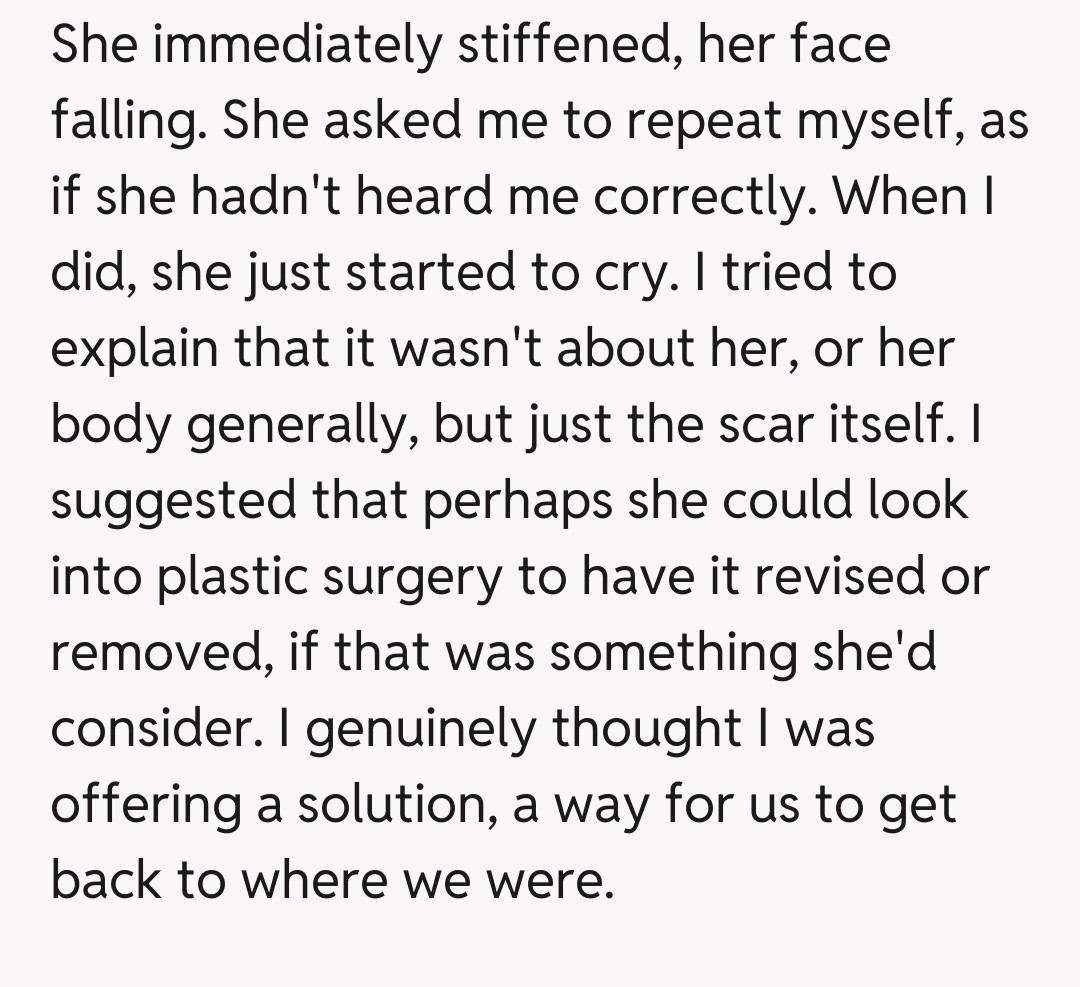
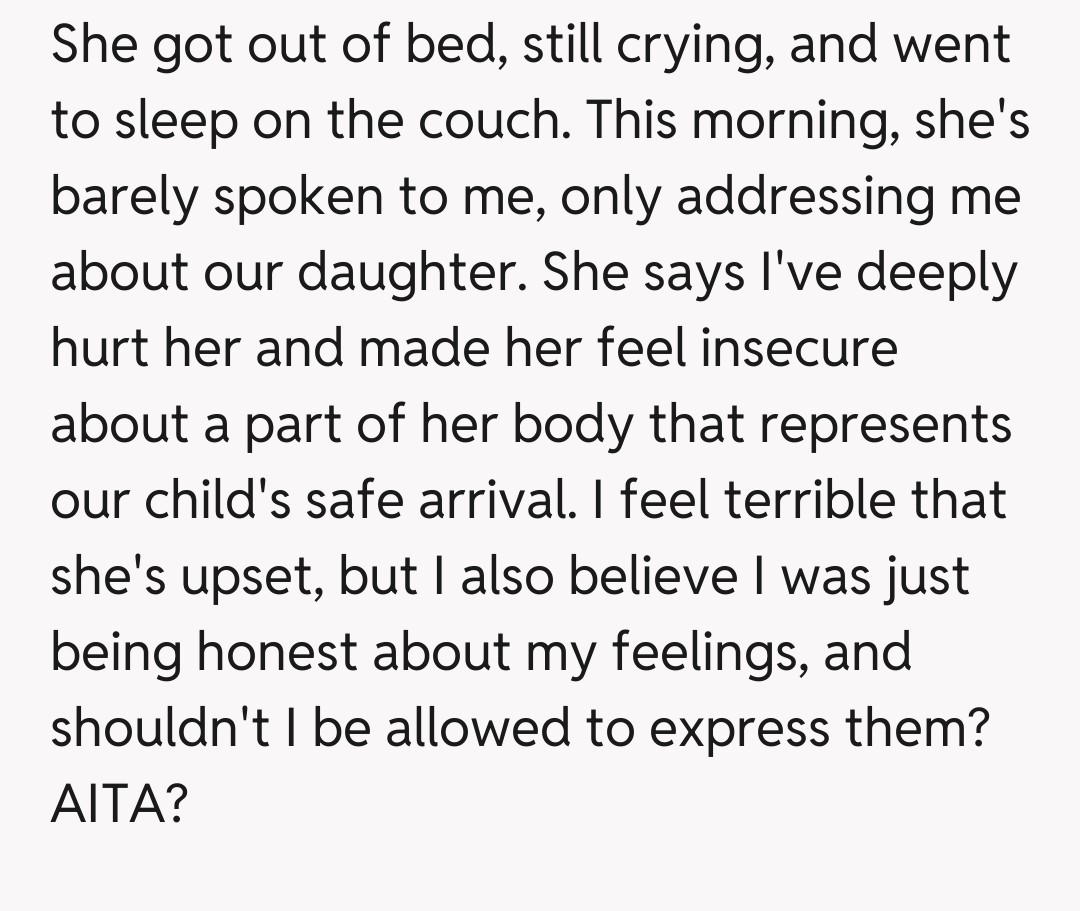
This situation is undoubtedly fraught with emotion, and it’s crucial to approach it with a nuanced perspective. On one hand, the poster believes he was simply being honest about his feelings regarding his wife's C-section scar. There's a widely held belief that honesty is always the best policy in a marriage, fostering trust and open communication. He felt his desire for physical closeness was impacted and sought to explain why, albeit in a deeply insensitive way.
However, the impact of his words cannot be overstated. A C-section scar is not merely a physical mark; for many mothers, it is a profound testament to their strength, their child's birth, and a life-saving medical procedure. To dismiss it as a "turn-off" and immediately suggest plastic surgery invalidates her experience and can inflict deep psychological wounds, making her feel undesirable and even ashamed of a part of her body she had no control over.
While honesty is valuable, the delivery and intent behind it are equally important. Was the goal truly to find a solution together, or was it to express a personal aversion without considering the emotional cost? Suggesting surgery implies a "fix" is needed for something that is a natural consequence of childbirth, pushing the burden of his discomfort onto her body and self-esteem. It frames her body as problematic rather than simply changed.
Ultimately, this is less about the scar itself and more about empathy and communication. How could he have approached this more gently? Perhaps by focusing on the decline in intimacy and exploring ways to reconnect, rather than pinpointing a specific body part as the sole issue. His wife's reaction is entirely valid; her hurt is a natural response to feeling rejected and judged for something so personal and significant.
The Internet Weighs In: Honesty or Cruelty?
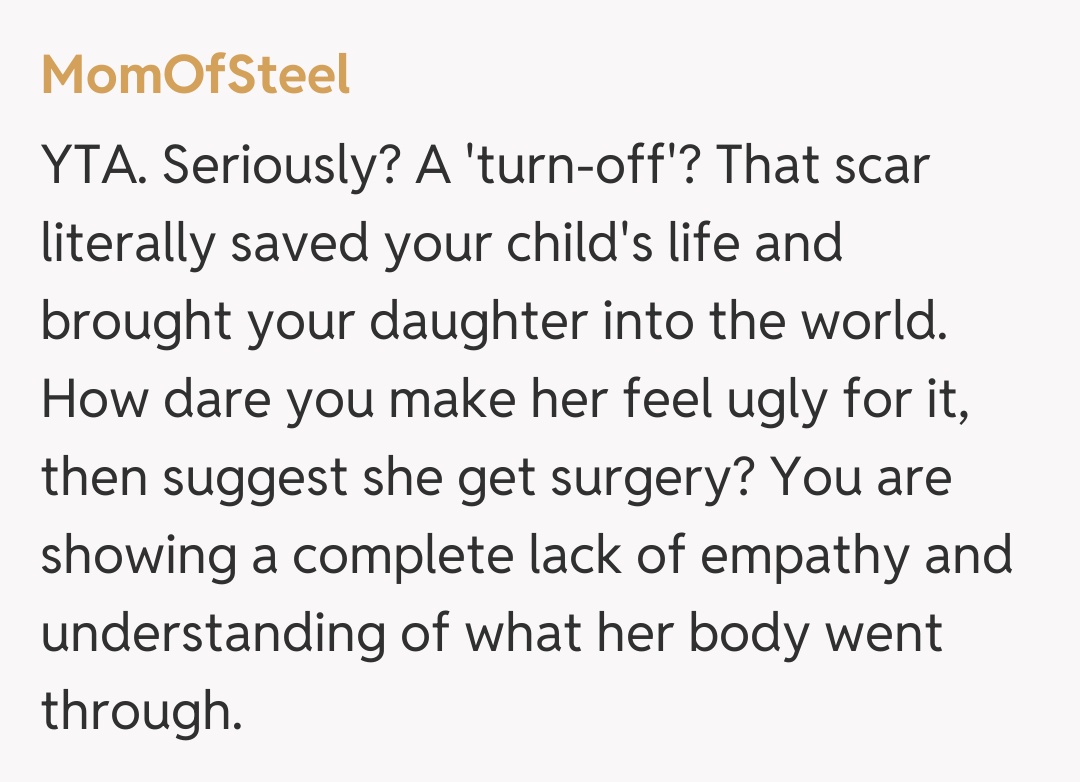
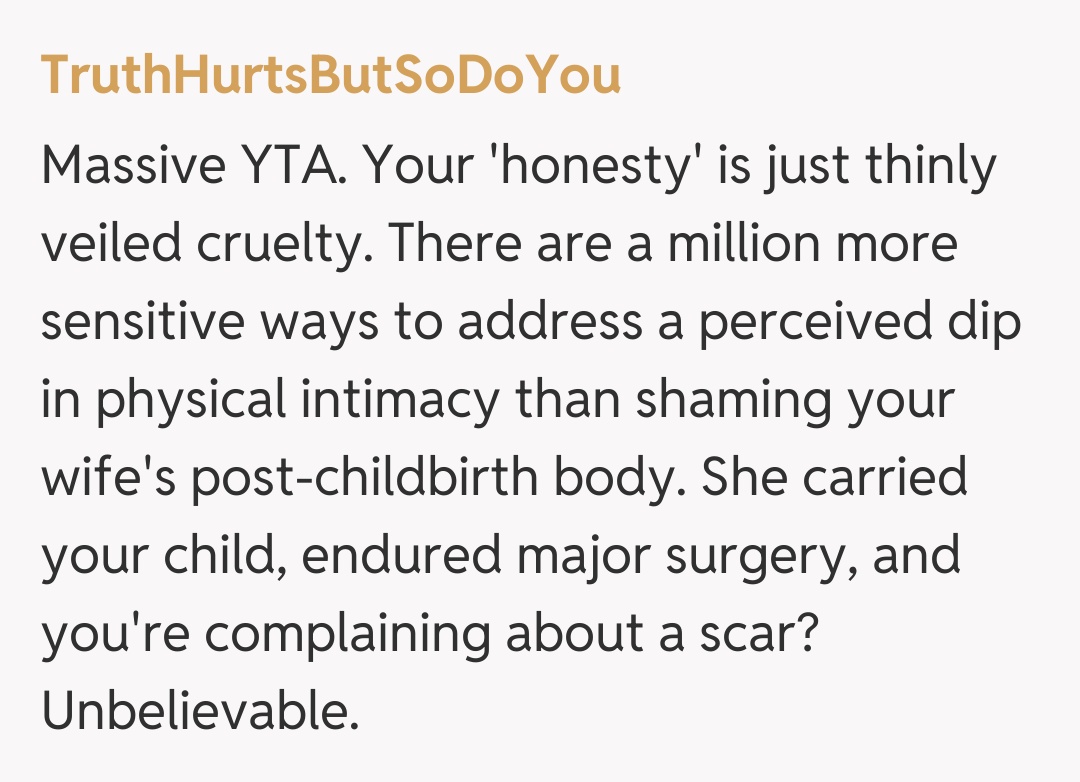
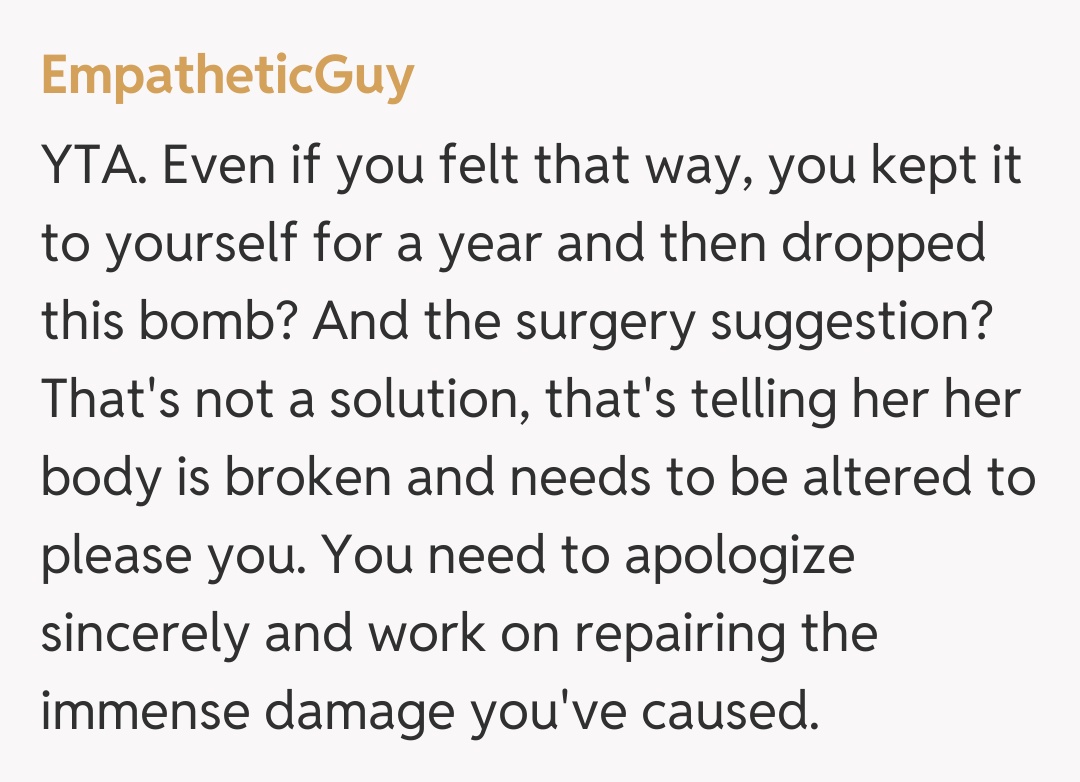
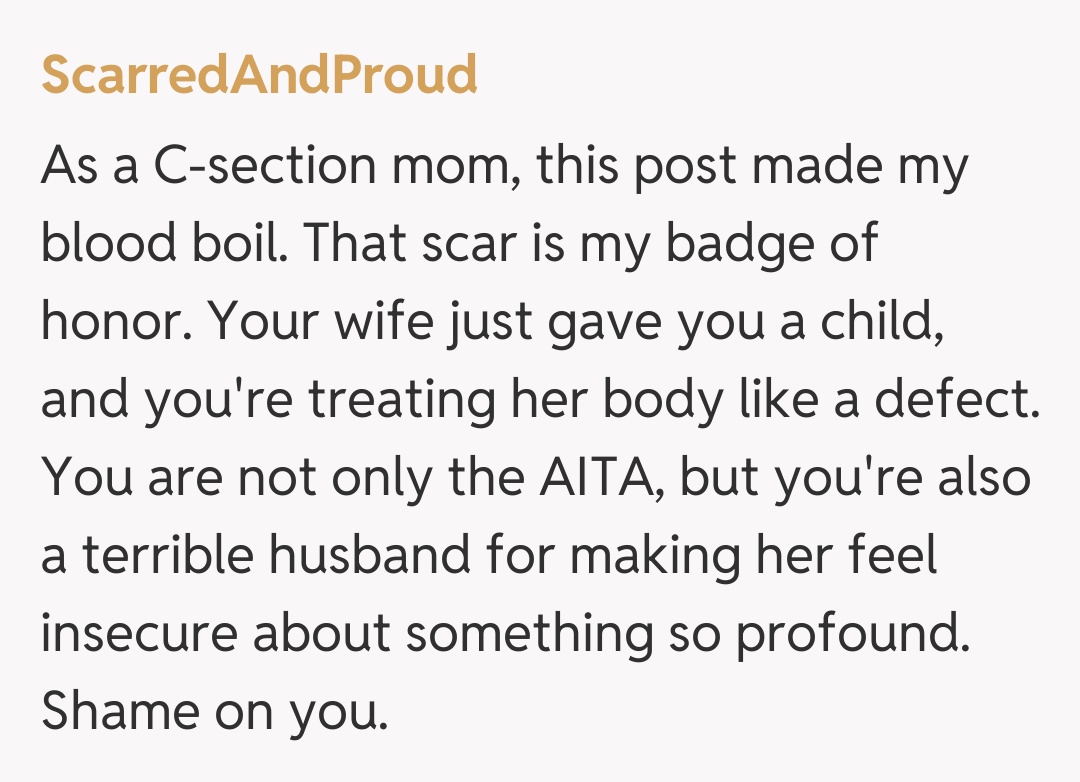
The comments section exploded with reactions, and as anticipated, the vast majority sided unequivocally with the wife. Many users expressed outrage, highlighting the sheer insensitivity of the husband's remarks. The consensus was that while he might be entitled to his feelings, the manner and content of his expression were profoundly damaging, bordering on cruel given the significance of a C-section scar.
A common theme among the comments was the idea that there's a huge difference between honesty and bluntness, especially when it comes to a partner's body image after childbirth. Users pointed out that a C-section is a major abdominal surgery, not a cosmetic procedure, and to suggest it needs "fixing" is to diminish her sacrifice and the natural changes that come with bringing a child into the world.
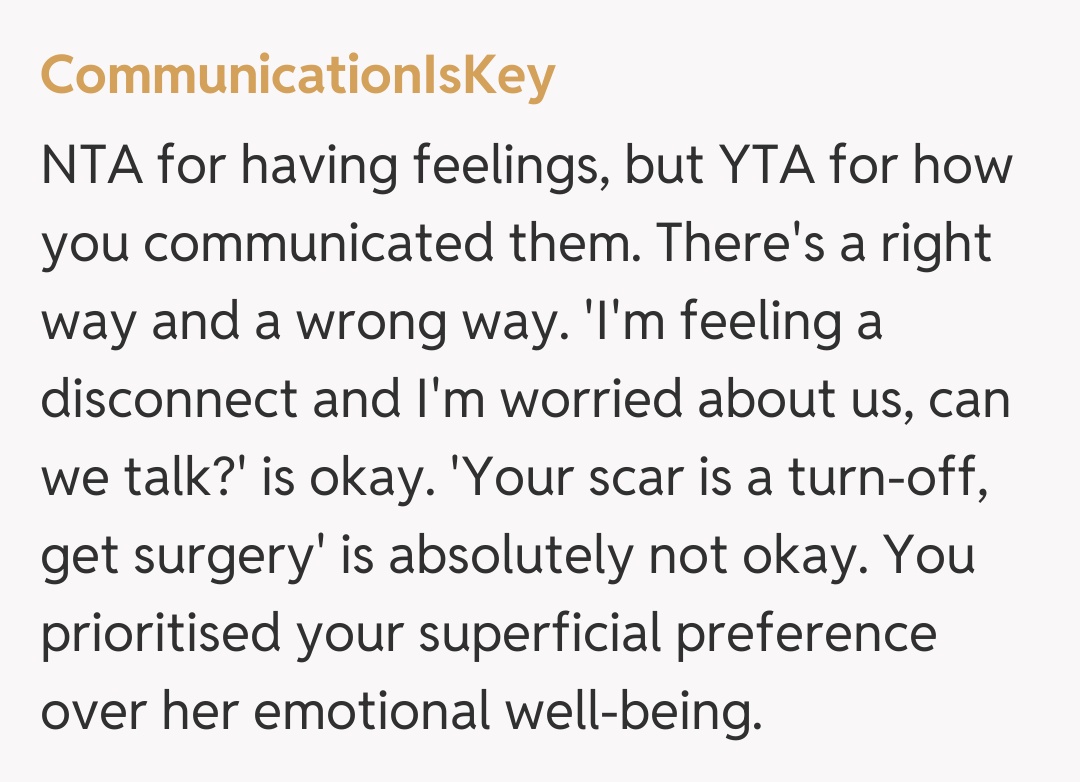
This story serves as a stark reminder that while honesty is a pillar of any strong relationship, it must always be tempered with empathy and profound consideration for our partner's feelings, especially when discussing sensitive topics like body image after major life events. The immediate suggestion of plastic surgery highlights a significant disconnect from the emotional and physical journey his wife endured. Hopefully, this post encourages reflection on how we communicate our needs and concerns, ensuring we uplift, rather than diminish, those we love most.