AITA for telling my best friend her baby’s name sounds like a medication and she should change it?

Oh, the delicate dance of baby naming! It's a momentous decision for parents, a truly personal choice that often comes with deep meaning. But what happens when a well-meaning (or perhaps not-so-well-meaning) friend steps in with an unsolicited opinion that throws a wrench into the whole process? Today's AITA story dives headfirst into this tricky territory, proving that even the strongest friendships can be tested by something as seemingly innocent as a baby's moniker.
Our Original Poster (OP) finds themselves in a sticky situation after offering some rather blunt feedback on their best friend's chosen baby name. Was it a genuine attempt to help, or a colossal overstep that caused unnecessary pain? The internet is, as always, divided on such matters, and we're here to unpack all the layers of this particular naming debacle. Let's get into the details and see if we can figure out who's truly the AITA.

"AITA for telling my best friend her baby’s name sounds like a medication and she should change it?"
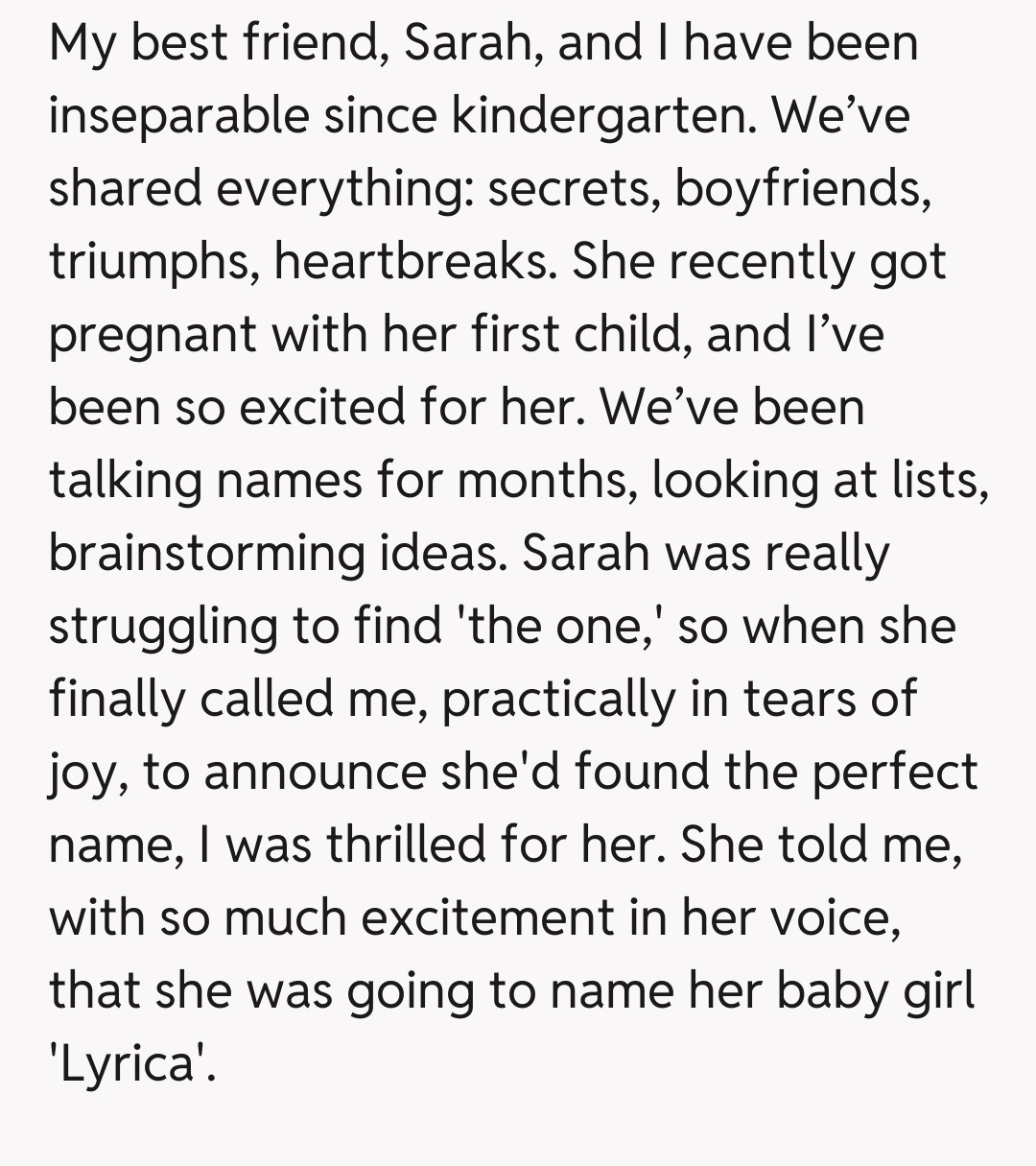
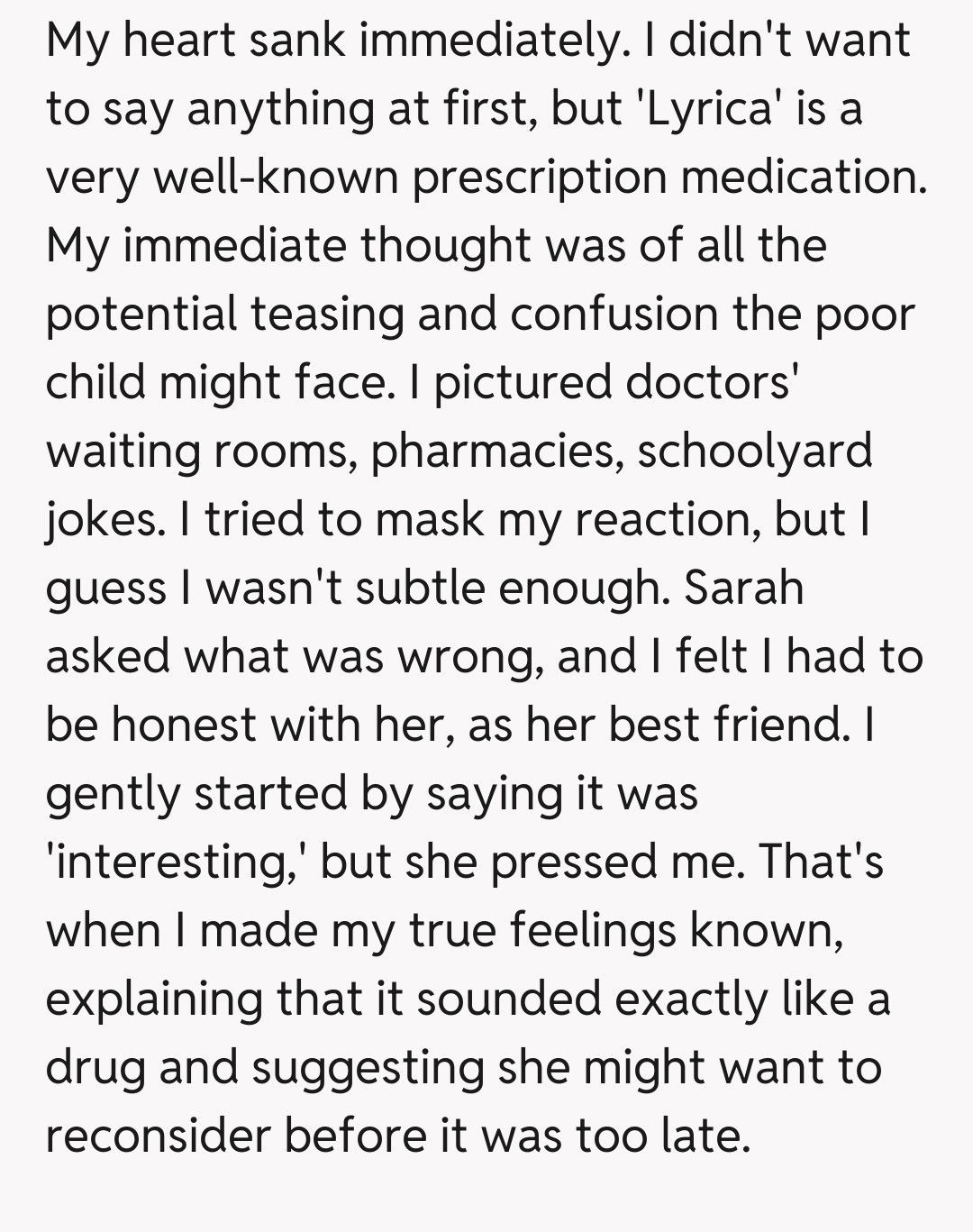
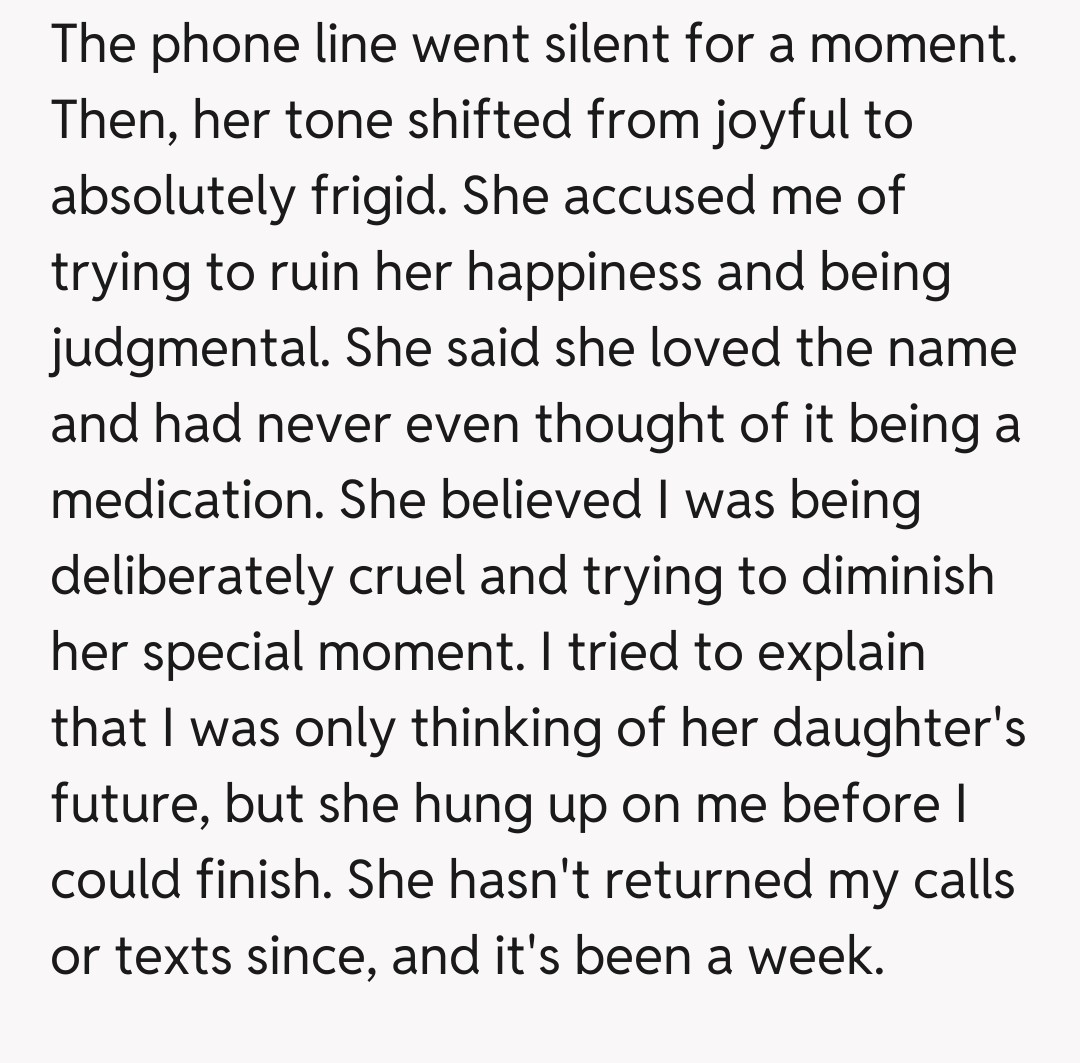
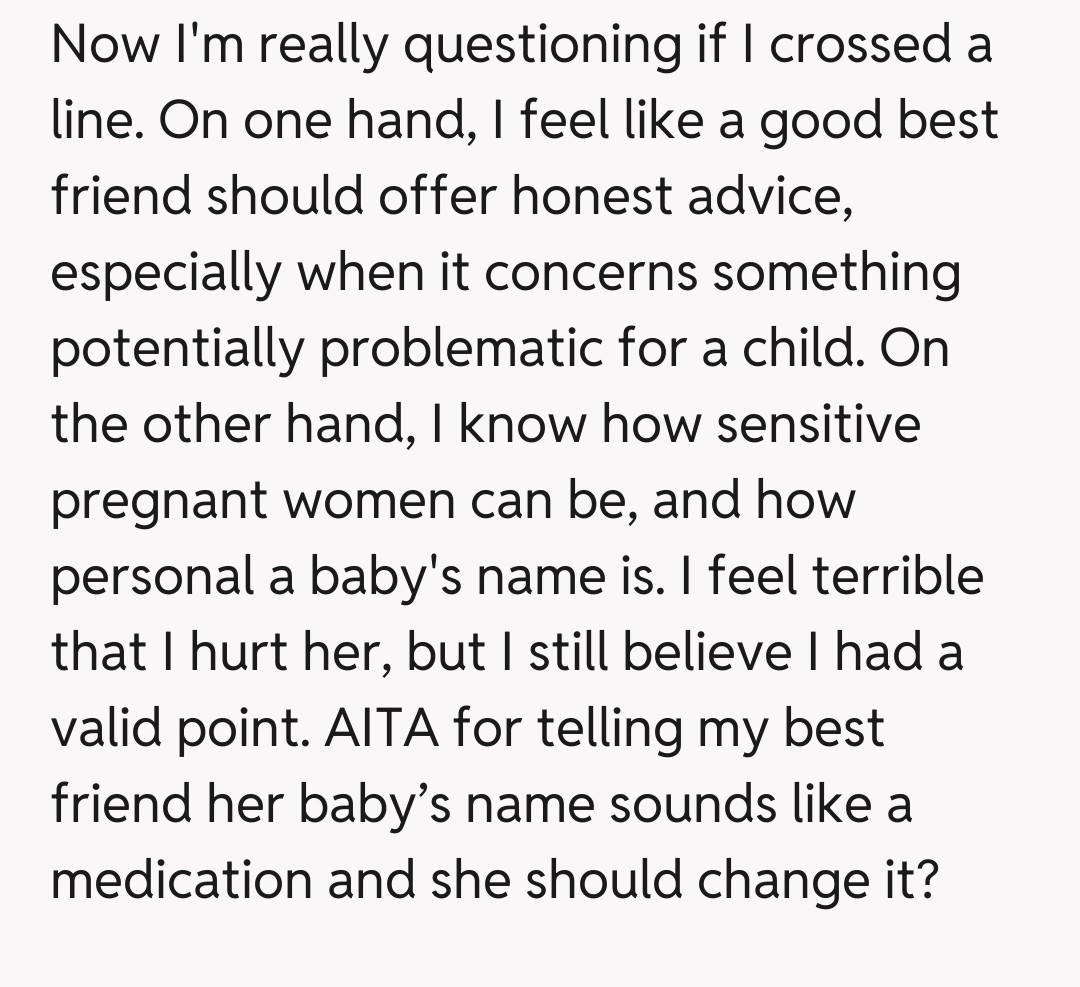
This situation highlights a classic dilemma: the line between honest friendship and overstepping boundaries. On one hand, the OP felt they were offering a genuine concern, rooted in the potential difficulties the child might face with a name closely associated with a prescription drug. A best friend often feels a duty to protect their loved ones, and in the OP's mind, this was a form of protective advice. It’s understandable to have a visceral reaction to a name that triggers such an immediate association, especially one with significant real-world implications.
However, the announcement of a baby's name is a deeply personal and often emotional moment for expectant parents. Sarah had clearly found a name she loved, a name that brought her joy and felt right for her child. The OP's immediate, unvarnished feedback, regardless of intent, likely felt like a direct attack on her judgment and her happiness. It's easy for an excited parent to perceive such criticism as negativity, rather than constructive input, especially during the vulnerable period of pregnancy.
The timing and delivery of the feedback are also crucial here. While the OP might have genuinely believed they were helping, blurting out that the name sounds like a 'medication' and suggesting she 'change it' is quite blunt. There's a significant difference between a gentle, 'Have you considered the connection to X?' and a direct demand to reconsider a deeply cherished choice. The emotional impact of the latter can be devastating, even if the intention wasn't malicious.
Ultimately, while the OP might have had a valid point about the name's unfortunate association, the way it was communicated caused significant harm to a treasured friendship. Sometimes, even with the best intentions, the impact of our words can outweigh the validity of our thoughts. The question isn't just *what* was said, but *how* it was said, and the context of the relationship and emotional state of the recipient.
The Internet Weighs In: Should Honesty Trump Harmony?
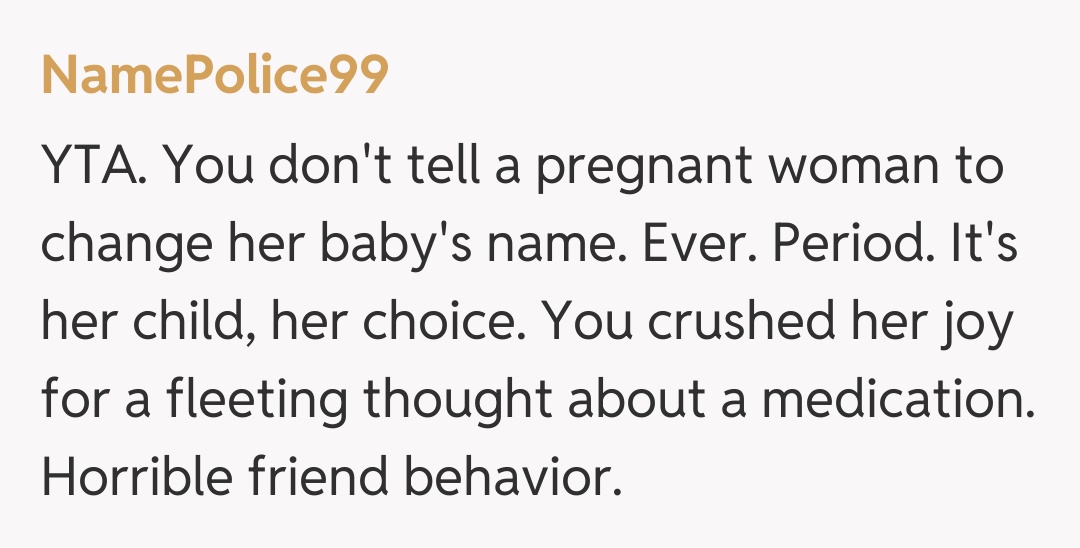
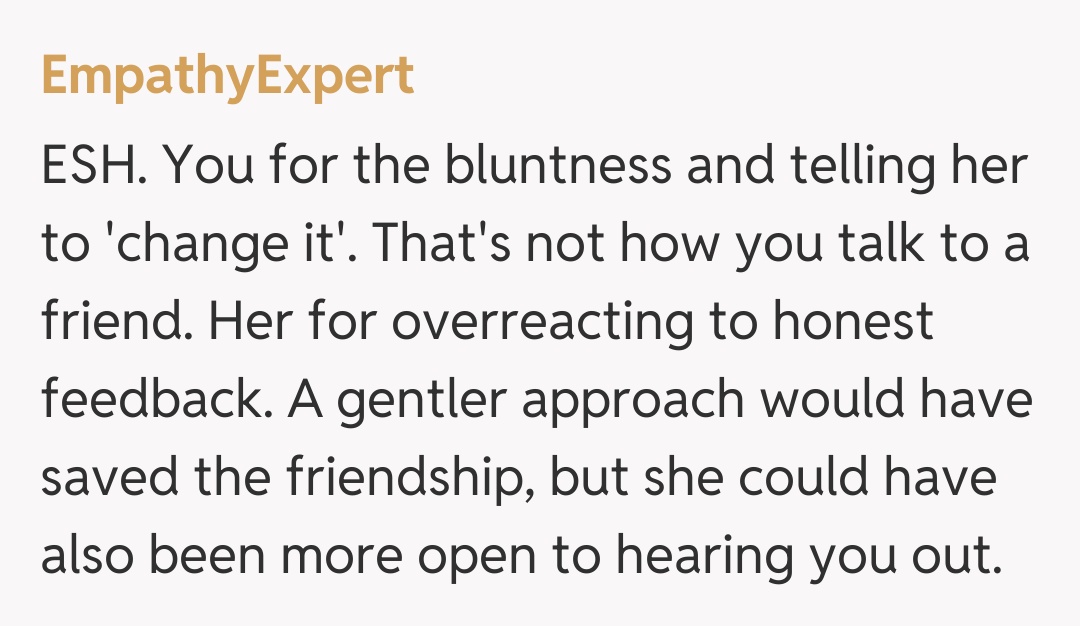
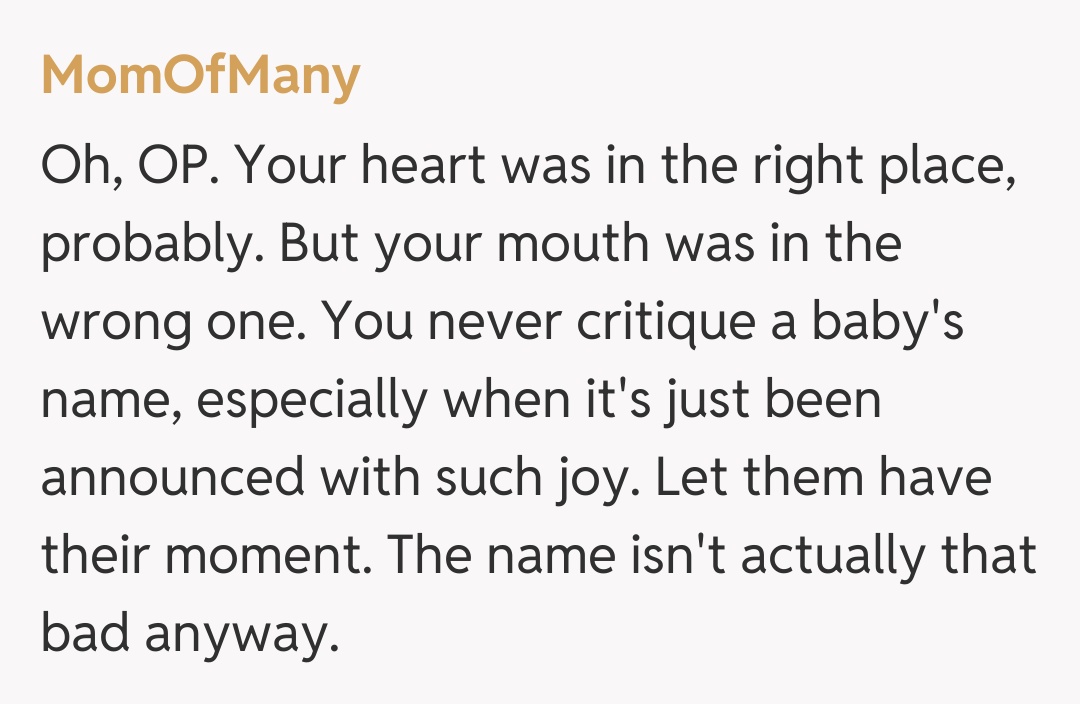
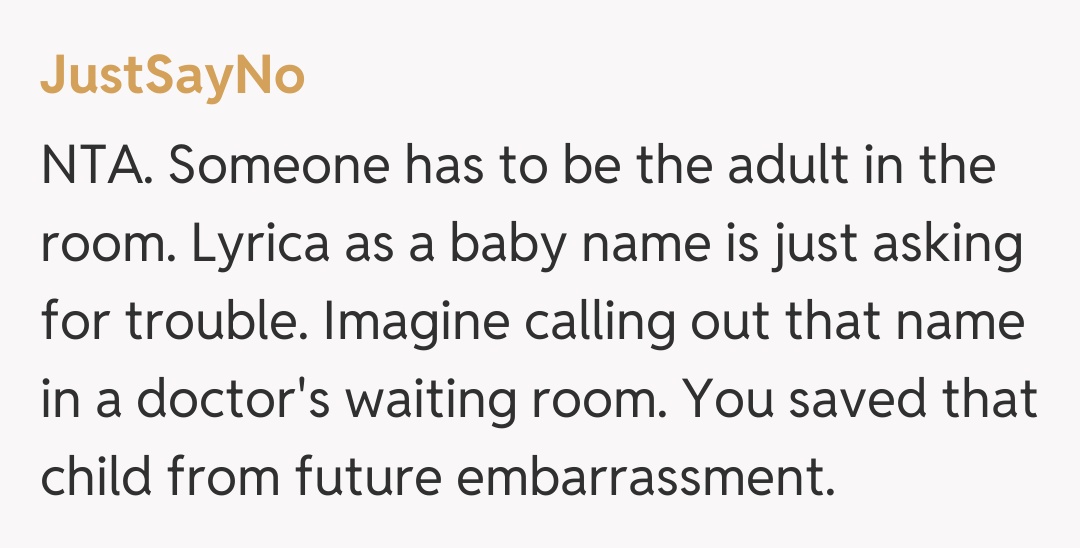
The comments section for this one was, predictably, a battleground! Many users sided firmly with Sarah, calling the OP a massive AITA for raining on her friend's parade. They emphasized that a baby's name is a sacred choice and no one, not even a best friend, has the right to demand a change. The overwhelming sentiment from this camp was that the OP's delivery was insensitive and completely unwarranted, regardless of the name's potential issues.
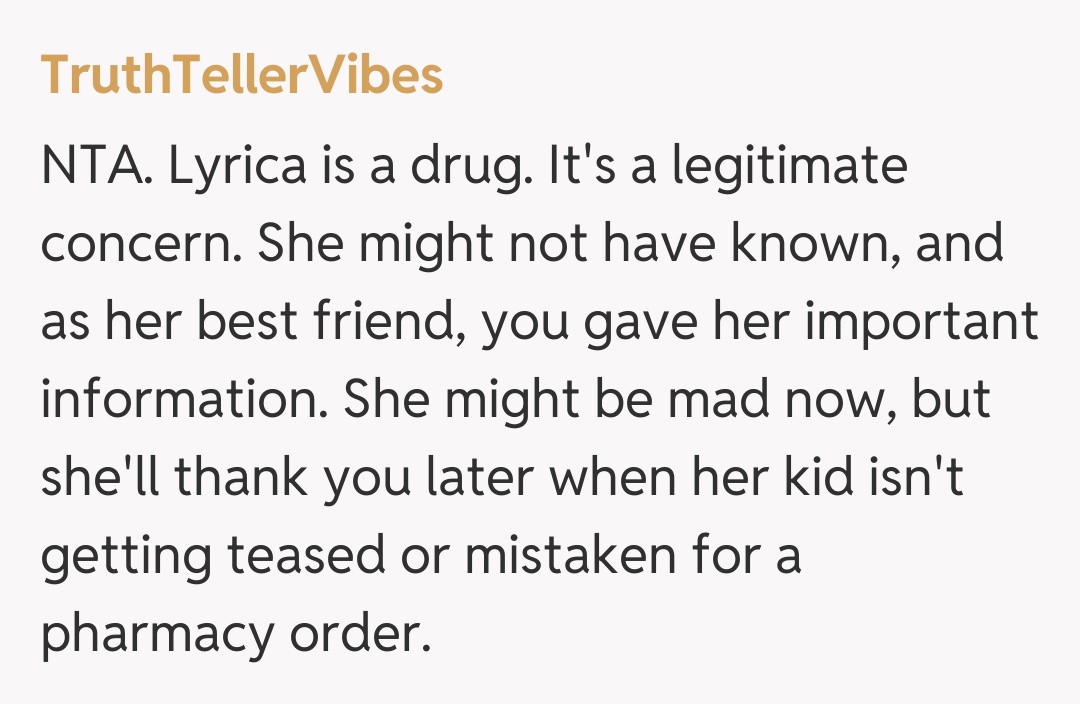
However, a significant number of commenters also understood the OP's perspective, arguing that a true best friend *would* offer honest (if perhaps poorly delivered) advice to prevent future problems for the child. Some even shared stories of similar name blunders. While acknowledging the OP could have been more tactful, they believed the core concern was valid, and Sarah's reaction might have been an overreaction, fueled by pregnancy hormones.
This AITA story serves as a potent reminder that even the strongest bonds can be tested by perceived slights, especially during emotionally charged times. While the OP's intentions may have been pure – wanting to protect her best friend's child from potential future woes – the delivery clearly missed the mark. It's a delicate balance between offering honest feedback and respecting personal choices. Perhaps a softer approach, or even just letting it go, would have preserved the friendship. In the end, it seems the lesson here is often less about being 'right' and more about being a supportive friend.