AITA for telling my girlfriend she’s not allowed to wear revealing clothes to the gym anymore?
Welcome back, relationship navigators! Today's AITA story dives deep into the thorny issue of personal boundaries, trust, and how much influence one partner should have over another's choices, especially when it comes to something as personal as clothing. Our Original Poster (OP) is wondering if he crossed a line by dictating what his girlfriend can wear to the gym, sparking a classic debate about control versus concern.
It’s a scenario many couples might recognize, where discomfort can quickly escalate into a full-blown argument about respect and autonomy. When does a 'suggestion' become a 'demand'? And what truly drives these requests? Is it genuine worry, or something more rooted in insecurity or traditional expectations? Let's unpack this sticky situation together.

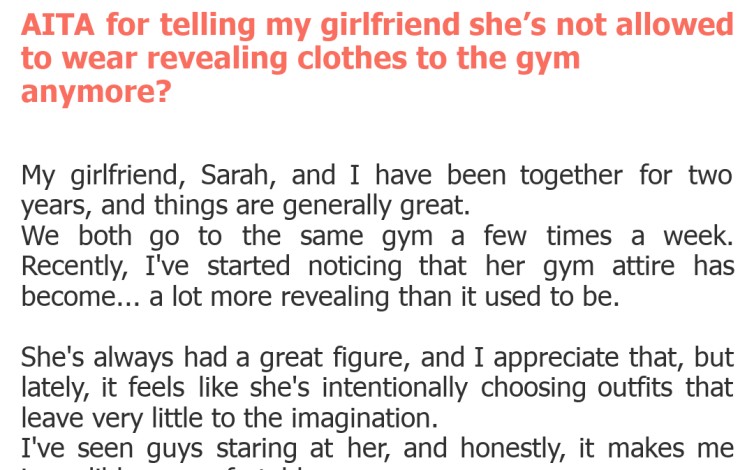
"AITA for telling my girlfriend she’s not allowed to wear revealing clothes to the gym anymore?"
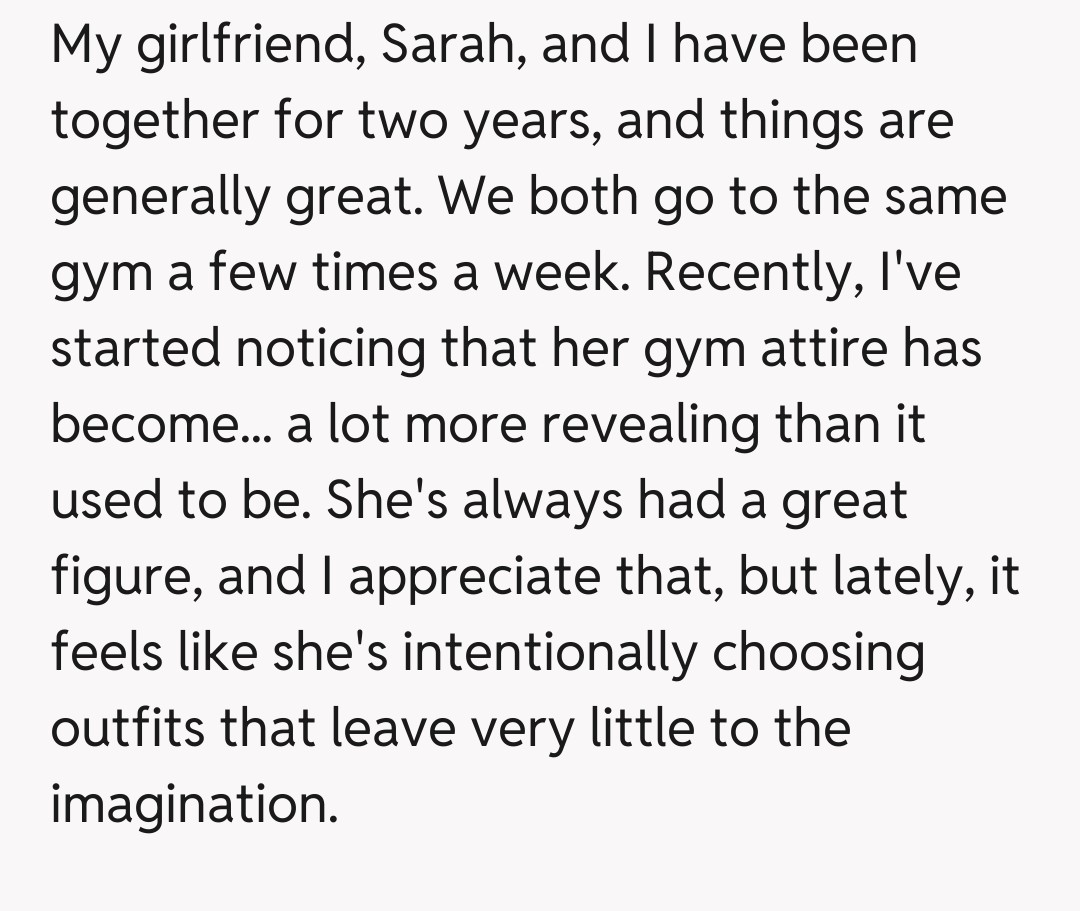
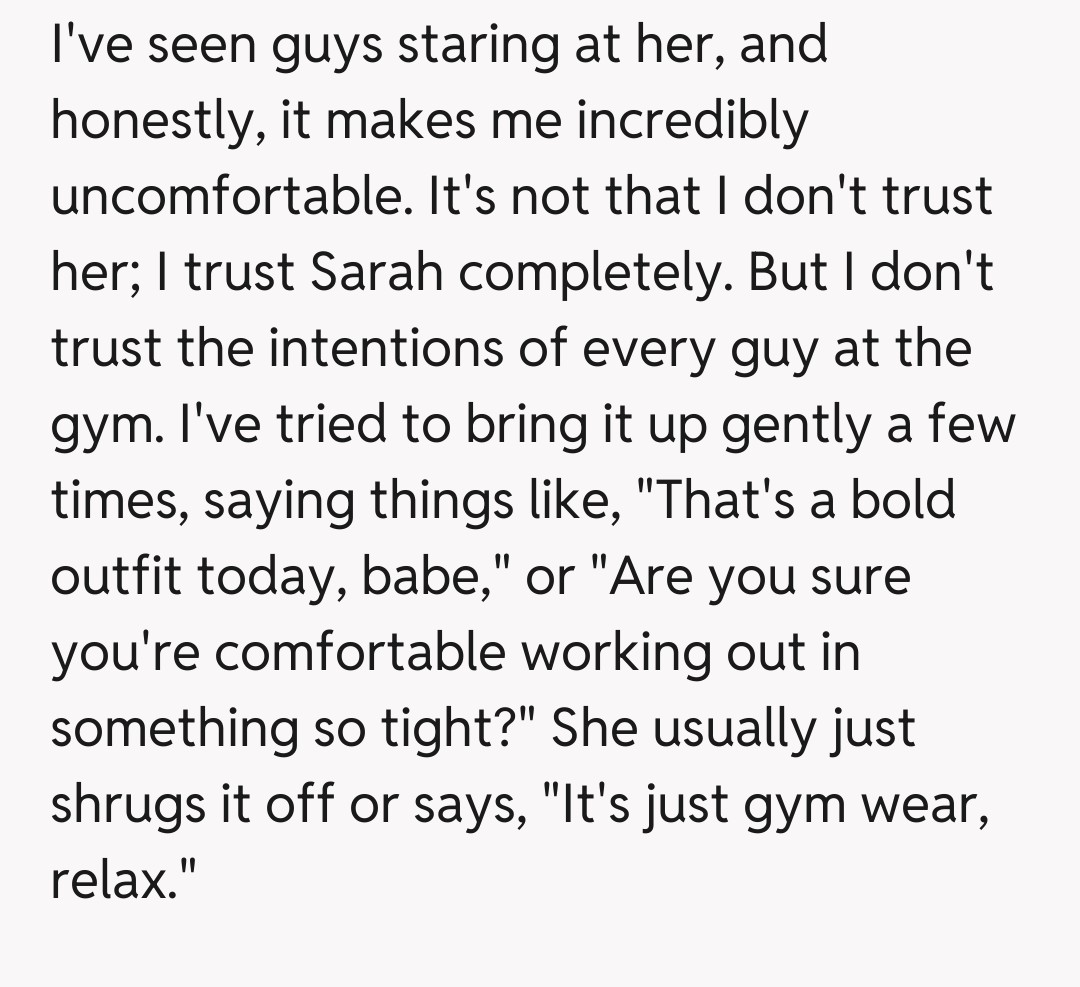
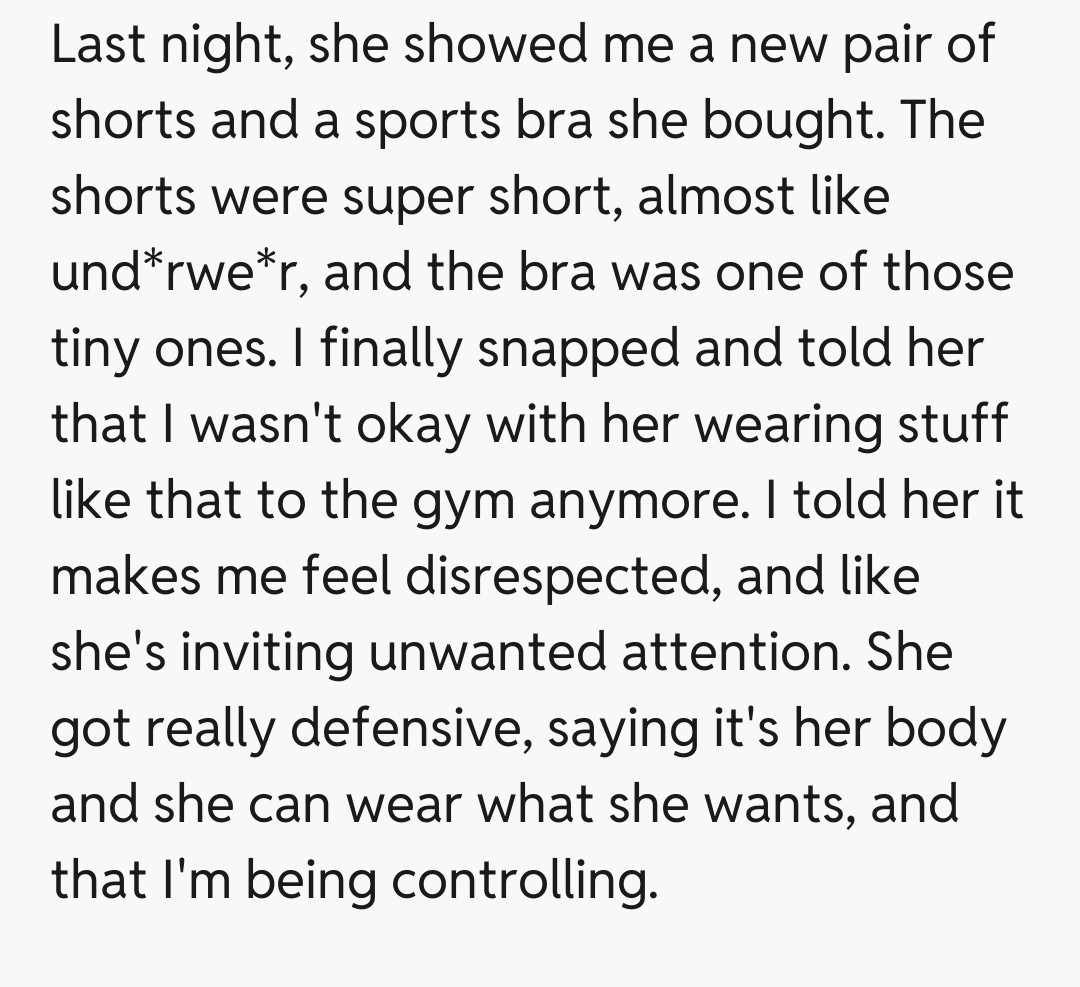
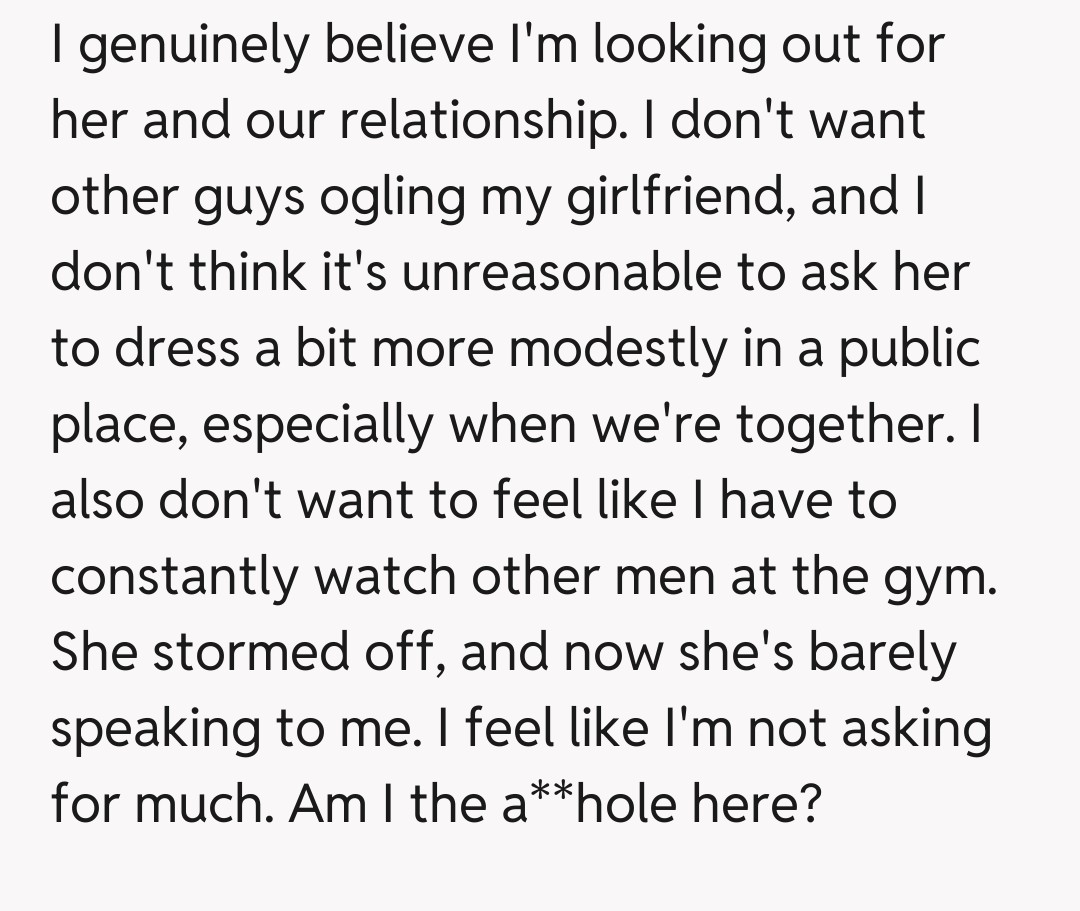
This post dives headfirst into a classic relationship dilemma: the balance between personal autonomy and a partner's comfort. On one hand, the OP's desire to protect his girlfriend and feel respected in the relationship is understandable. Seeing others overtly staring at your partner can indeed be an uncomfortable experience, triggering feelings of jealousy, possessiveness, or even a sense of territoriality. His initial attempts at gentle communication also show an effort to address his concerns.
However, the crucial turn in this story is when the OP states he told his girlfriend she's "not allowed" to wear certain clothes. This phrasing is where many would argue he crossed a line from expressing a feeling to imposing a rule. While his feelings of discomfort are valid, dictating another adult's clothing choices often encroaches on their personal autonomy and can be perceived as controlling, regardless of the underlying intentions.
Sarah's reaction, feeling that it's her body and she can wear what she wants, is also a deeply valid perspective. Women, in particular, often face societal pressure and judgment regarding their appearance, and the gym is a space where many feel empowered and comfortable in their athletic wear. Telling her she's "inviting unwanted attention" can shift blame onto her for others' behavior, which can be disempowering and unfair.
The core issue here may not just be the clothing itself, but rather the communication breakdown and a potential lack of trust, not in Sarah, but in the environment or in the OP's own ability to handle his feelings. A healthier approach might involve exploring his insecurities, discussing boundaries more collaboratively, and finding ways to address the unwanted attention (if it escalates beyond mere glances) without resorting to controlling her choices. This situation highlights the importance of open dialogue where both partners feel heard and respected.
The Verdict Is In: A Clash of Comfort, Control, and Gym Attire!
The comments section for this one exploded, as expected! A vast majority of our readers leaned towards YTA, highlighting the controlling nature of the OP's demands. Many emphasized that telling someone they are "not allowed" to wear something is a significant red flag in a relationship, regardless of the OP's perceived good intentions. The prevailing sentiment was that everyone has the right to dress their own body.
Interestingly, while most found the OP's actions problematic, a smaller but vocal contingent expressed some understanding for his discomfort. These users often pointed out that while telling her what to wear is wrong, the feelings of jealousy or discomfort from unwanted attention are real. However, even these comments usually circled back to the idea that the OP needed to address his own feelings and insecurities, rather than dictate his girlfriend's wardrobe.
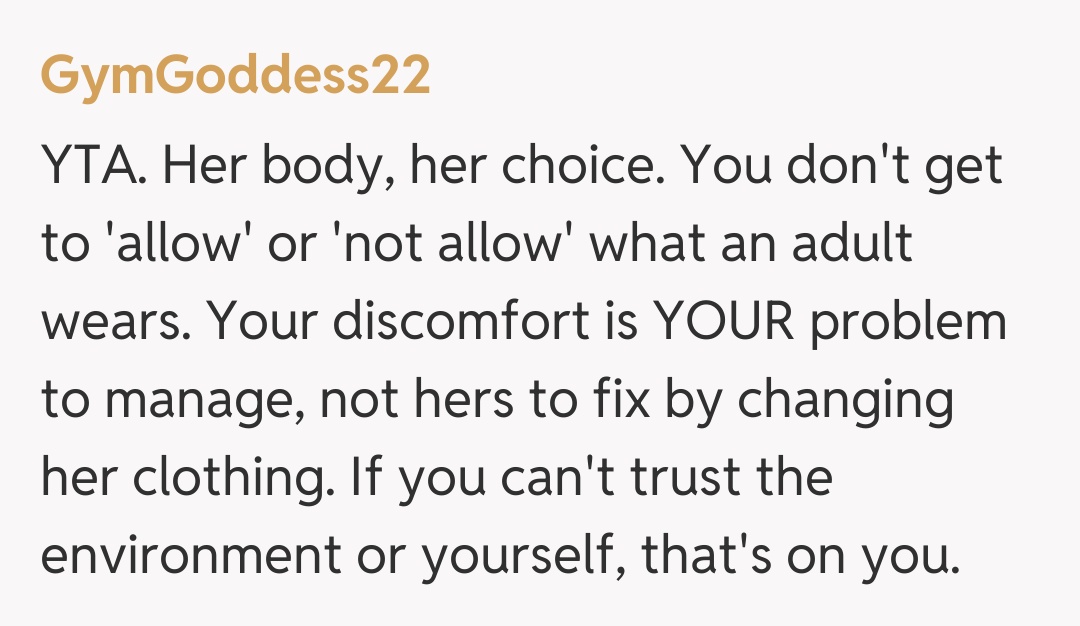

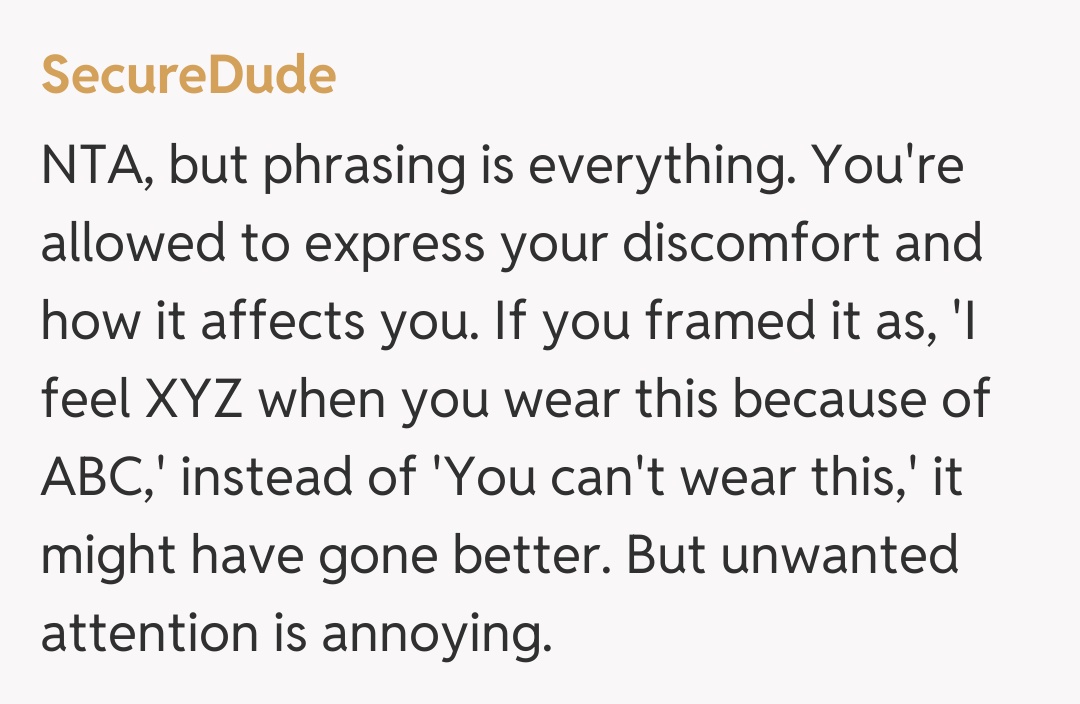
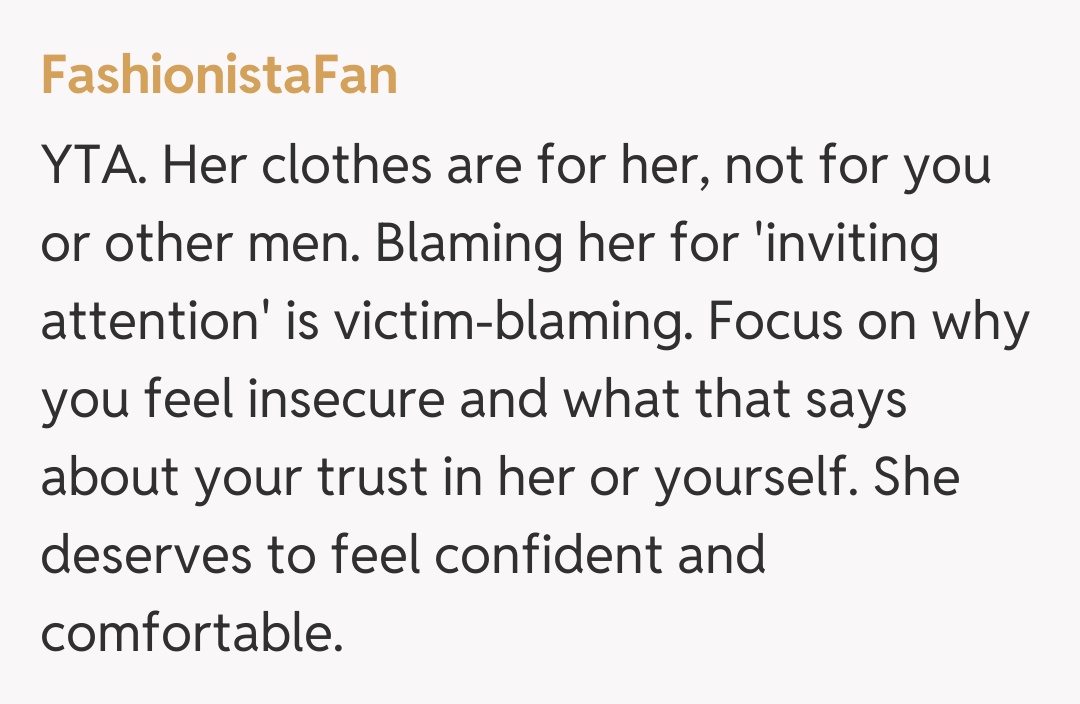
This AITA story serves as a crucial reminder that while personal feelings and discomforts are valid, how we communicate them in a relationship truly matters. Dictating a partner's choices, particularly regarding their body and appearance, often crosses the line into controlling behavior. True partnership thrives on mutual respect, trust, and open dialogue, where both individuals feel autonomous and heard. Perhaps the real workout here isn't at the gym, but in strengthening those communication muscles to address insecurities without infringing on freedom.