
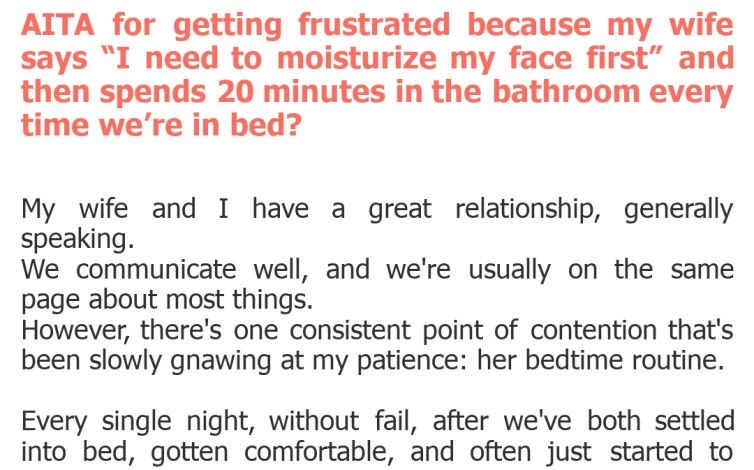
AITA for getting frustrated because my wife says “I need to moisturize my face first” and then spends 20 minutes in the bathroom every time we’re in bed?
Oh, the nightly routine! For many couples, it's a sacred time to unwind, connect, and prepare for rest. But what happens when those routines clash? When one partner's winding down involves a meticulous ritual that leaves the other partner… well, let's just say a little less than perfectly serene, especially when it involves an important part of the body: the face. Tonight's story is a classic case of routines colliding.
We're diving into a common bedtime dilemma that's causing friction in one household. Our poster, let's call him 'The Waiting Partner,' is at his wit's end with his wife's nightly skincare regimen. He feels abandoned and cold, while she's just trying to pamper herself. Is he being unreasonable for wanting a quicker transition to bedtime bliss, or is there a valid point to his mounting frustration? Let's unpack this skincare saga!

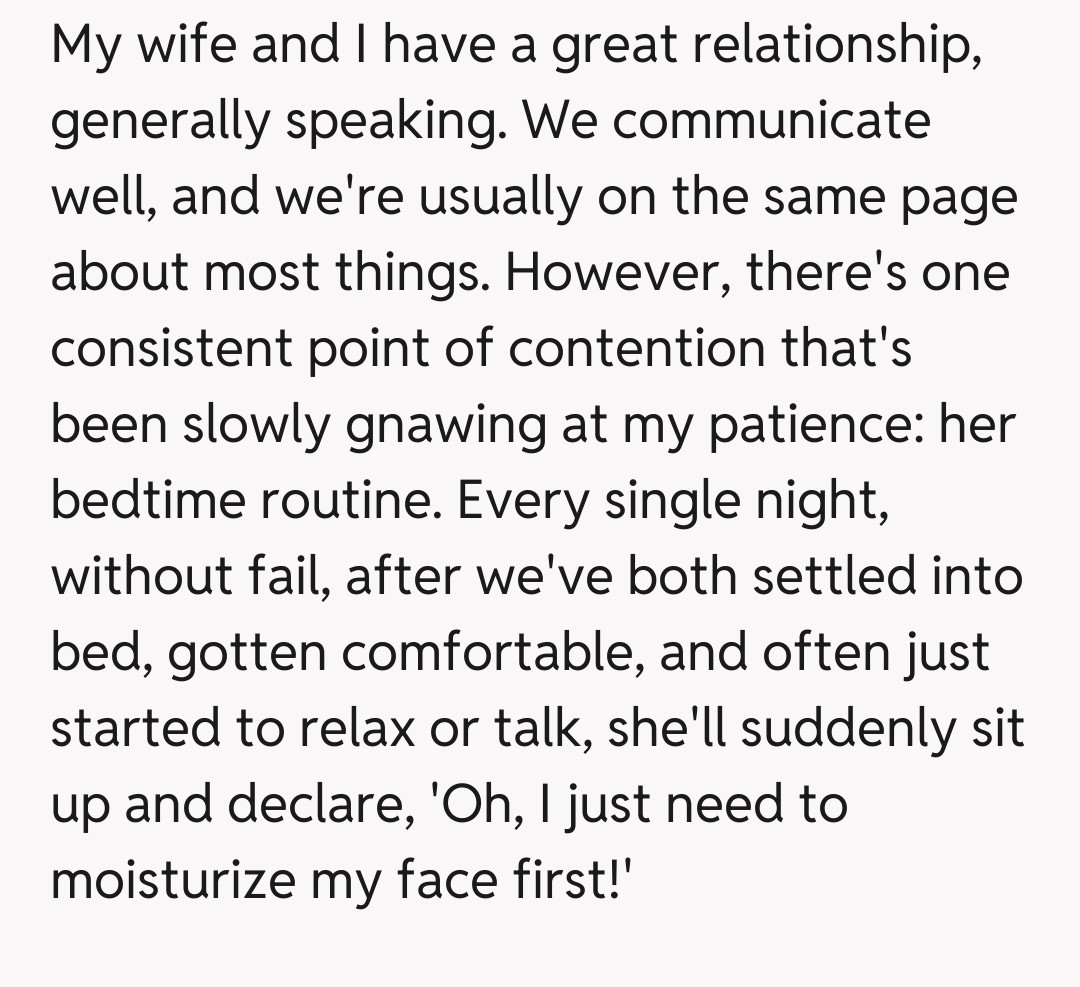
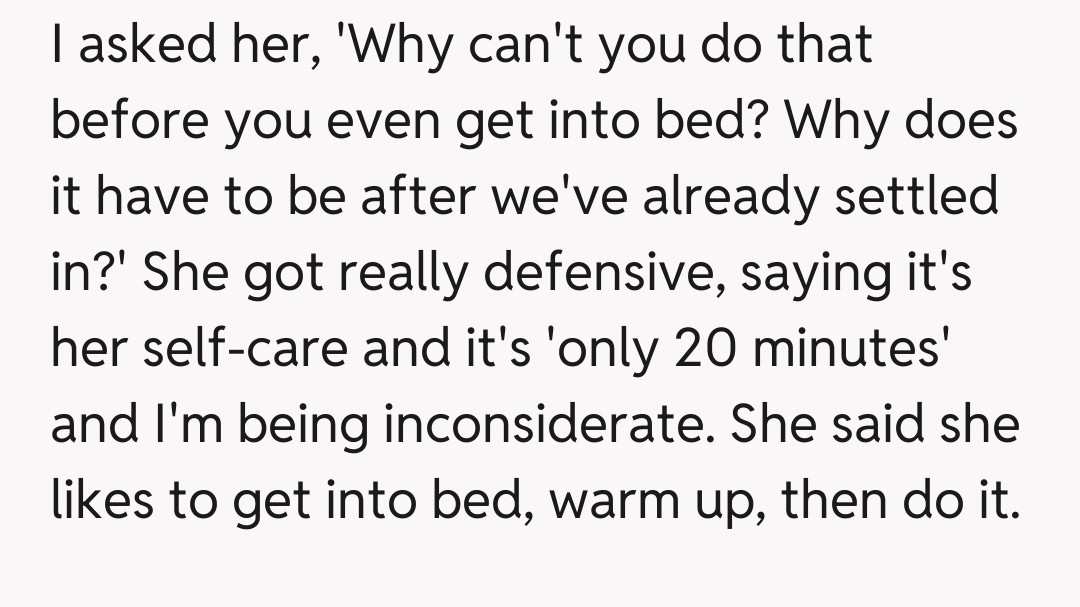
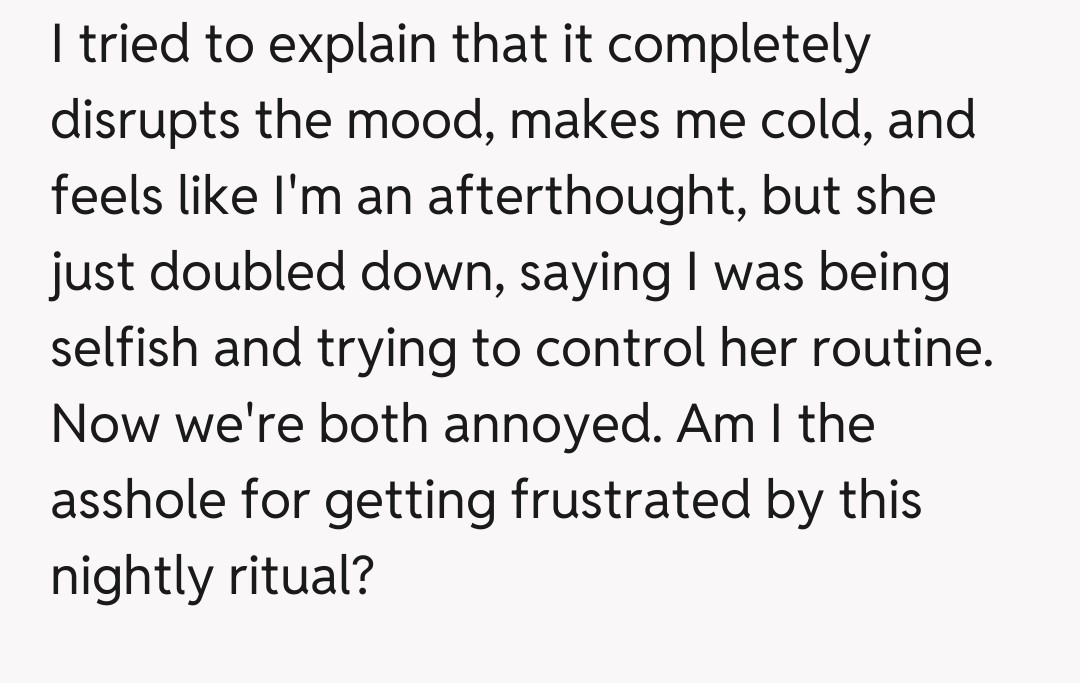
"AITA for getting frustrated because my wife says “I need to moisturize my face first” and then spends 20 minutes in the bathroom every time we’re in bed?"

This is a classic 'small habit, big impact' scenario in relationships. From the poster's perspective, his frustration is understandable. Getting comfortable in bed, starting to unwind, and then having that moment abruptly interrupted for an extended period can be genuinely annoying. The feeling of being left cold, both literally and figuratively, and the disruption of intimacy, are valid concerns for any partner.
On the other hand, we have the wife's viewpoint, which is equally valid. Her nightly skincare routine is a form of self-care. It might be a moment of peace, a way to feel good about herself, or simply a habitual part of her day she doesn't think much about. For her, it might feel like 'only 20 minutes,' and she might perceive his frustration as an attack on her personal space or autonomy.
The core issue here isn't necessarily the moisturizing itself, but the lack of synchronization and communication around expectations. Both partners have legitimate needs: one for uninterrupted quiet time and connection, the other for personal self-care. When these needs clash, and neither side feels heard or understood, resentment can build over time from seemingly minor issues.
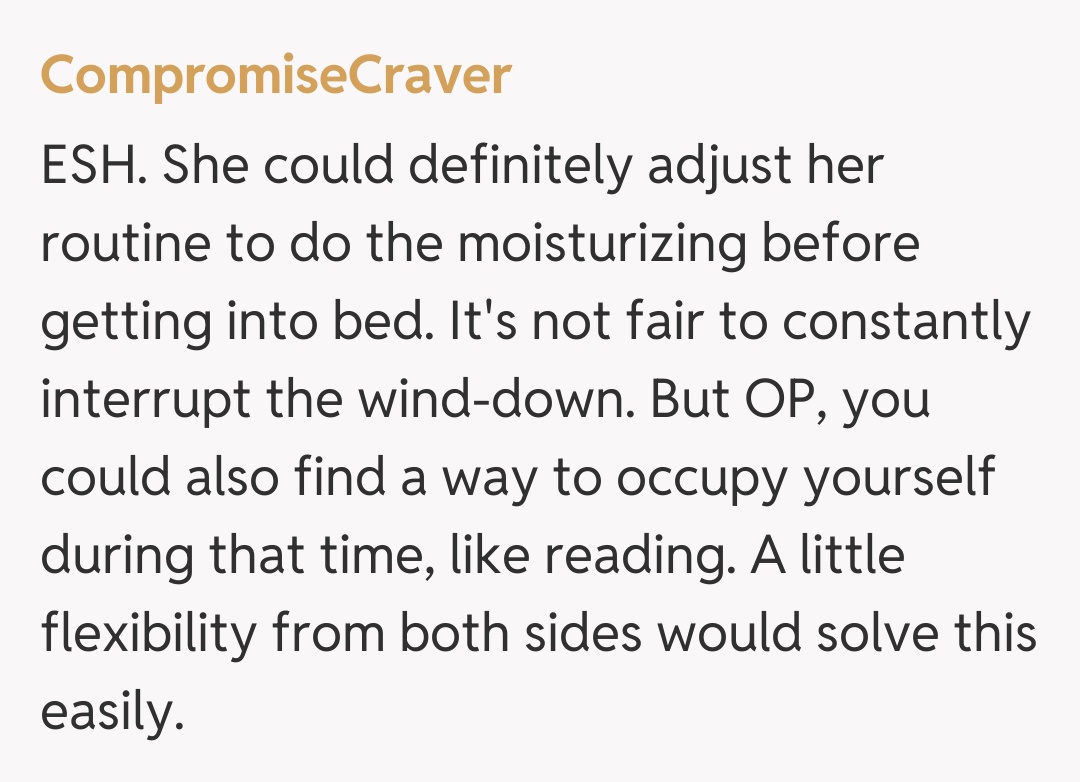
Finding a compromise will be key. Perhaps the wife could adjust her routine slightly, doing a significant portion before she gets into bed, or finding a way to make it quicker. Conversely, the poster could try to reframe his waiting time, perhaps by grabbing a book or mentally preparing for sleep, rather than focusing solely on the disruption. Empathy from both sides is crucial to navigating such everyday relationship bumps.
Skincare vs. Snuggles: What the Internet Thinks!
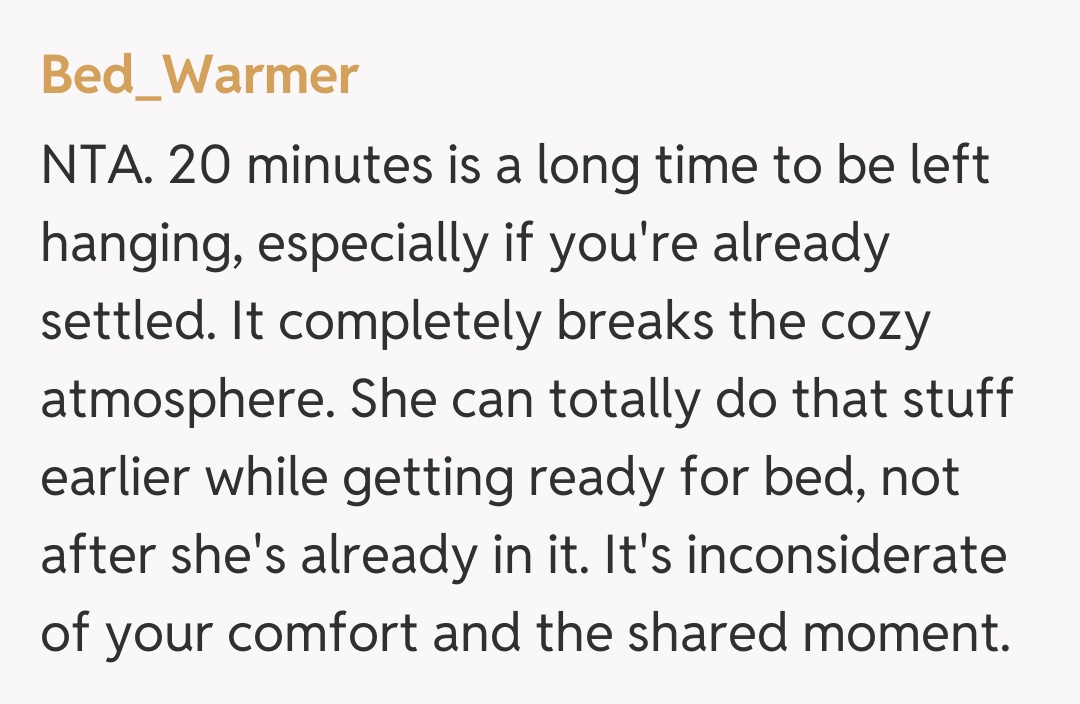
The comments section on this post was a lively debate, truly reflecting the split perspectives inherent in this 'skincare vs. snuggles' dilemma. Many users empathized strongly with 'The Waiting Partner,' arguing that 20 minutes is a substantial chunk of time, especially right when partners are settling into bed. They highlighted the disruption to intimacy and the feeling of being left out in the cold, suggesting the wife should simply adjust her routine to happen earlier.
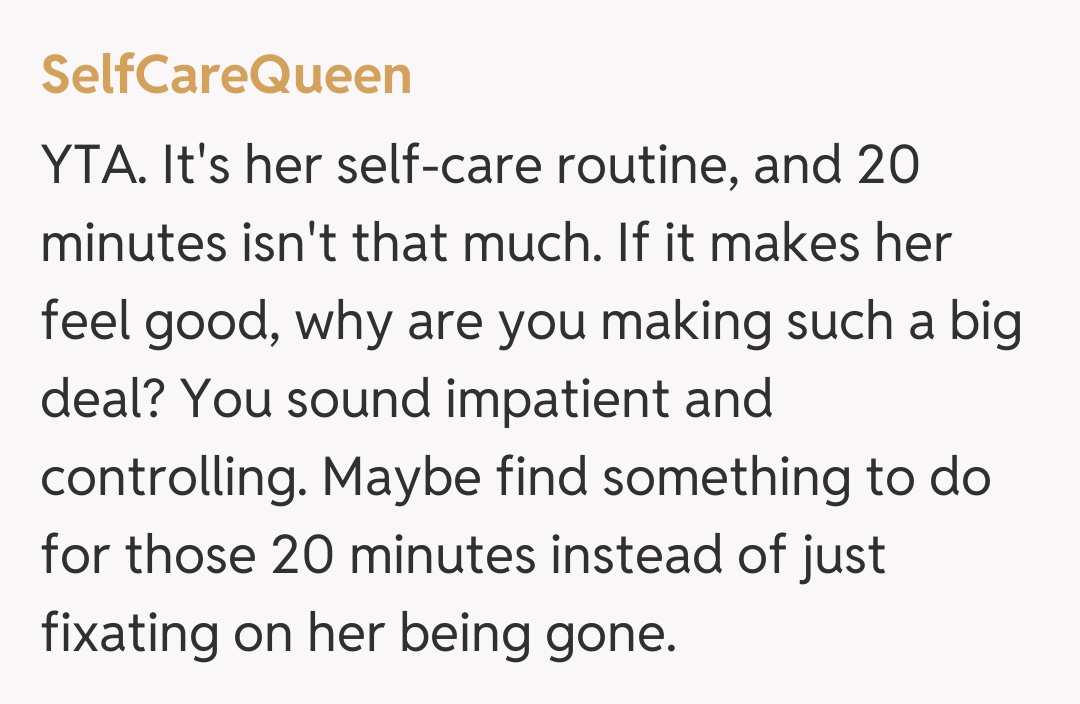
However, an equally vocal contingent championed the wife's right to her self-care. These commenters emphasized that her routine is important to her, and that 'The Waiting Partner' might be overreacting to a minor inconvenience. They suggested he find a way to entertain himself during those 20 minutes or view it as a small sacrifice for her well-being. Ultimately, the consensus gravitated towards better communication and finding a middle ground.
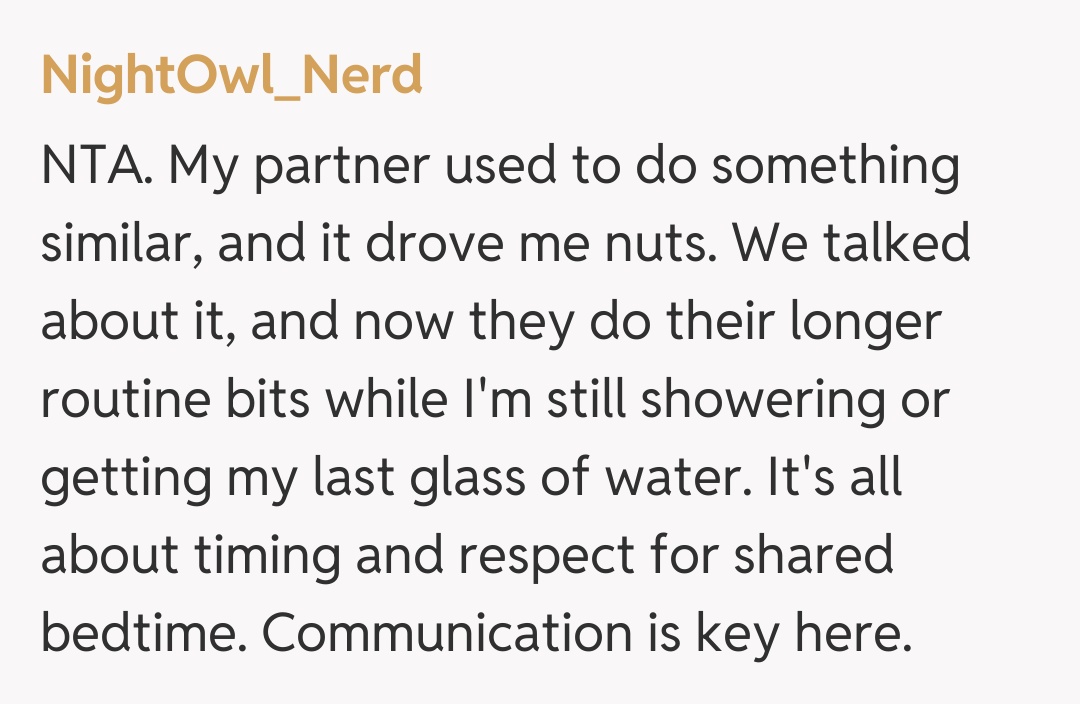

This AITA story perfectly illustrates how small, repeated actions can become major points of contention if left unaddressed. While individual self-care is vital, so is fostering connection and understanding within a partnership. The key takeaway from this scenario, and from the community's diverse reactions, is the absolute necessity of open, empathetic communication. Finding a middle ground where both partners' needs are met, perhaps by adjusting the timing of the routine or by reframing expectations, is essential for maintaining peace and preventing these minor frustrations from escalating into larger relationship issues. Hopefully, this couple can find their harmonious bedtime rhythm.