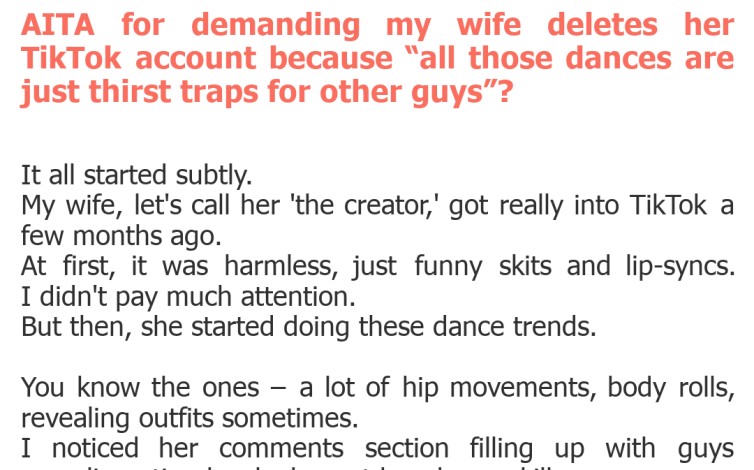
AITA for demanding my wife deletes her TikTok account because “all those dances are just thirst traps for other guys”?
Social media has undeniably reshaped how we interact, and sometimes, how we argue. Platforms like TikTok, with their emphasis on short-form video and expressive content, can become unexpected battlegrounds in relationships. What one partner sees as innocent fun, the other might perceive as something far more provocative or disrespectful, leading to intense misunderstandings and emotional strain between couples.\nThis week, we're diving into a classic dilemma that pits personal expression against perceived boundaries. Our submitter is grappling with his wife's TikTok activity, specifically her dance videos. He believes they're 'thirst traps' designed to attract attention from other men, and he's taken a drastic step by demanding she delete her entire account. Is he justified in his feelings, or overstepping his bounds?

"AITA for demanding my wife deletes her TikTok account because “all those dances are just thirst traps for other guys”?"
It all started subtly. My wife, let's call her 'the creator,' got really into TikTok a few months ago. At first, it was harmless, just funny skits and lip-syncs. I didn't pay much attention. But then, she started doing these dance trends. You know the ones – a lot of hip movements, body rolls, revealing outfits sometimes. I noticed her comments section filling up with guys complimenting her looks, not her dance skills. It made me increasingly uncomfortable. I tried to ignore it, telling myself it was just harmless fun, a creative outlet for her. But the feeling festered. I saw her spending more time on it, meticulously practicing these dances, choosing specific angles and lighting. It felt like she was performing for an audience that wasn't me, an audience she was actively trying to impress. One evening, as she was filming another one of these routines, I couldn't hold it in anymore. I walked into the living room, where she was mid-shimmy, phone propped up, and just blurted out, 'What exactly is the point of all this?'\nShe stopped, startled, and said she was just having fun and being creative. I told her straight up that it looked like she was trying to get attention from other men. I explained that in my eyes, these dances were essentially 'thirst traps' and it made me deeply uncomfortable and disrespected. I didn't understand why she felt the need to post herself dancing suggestively online for strangers.\nShe got defensive, saying it was just harmless trends everyone does, and that I was being controlling and insecure. She argued that she enjoyed the community aspect and expressing herself. I countered that her 'self-expression' was causing issues in our marriage and that if she truly respected me, she'd understand why I felt this way. The argument escalated, and eventually, I told her that if she truly valued our relationship, she would delete the account. I said I couldn't keep watching her do these things and feel good about us.\nShe stared at me, shocked, and walked away without another word. The tension has been thick ever since. She hasn't deleted it, but she also hasn't posted anything new. I genuinely believe I'm protecting our relationship and setting a necessary boundary, but her reaction made me question if I went too far. So, AITA for demanding she deletes her TikTok account because I see her dances as thirst traps for other guys?
The original poster's feelings of discomfort and disrespect are valid emotions within a relationship. When one partner feels that the other's actions, even seemingly innocuous ones like social media use, are undermining their trust or making them feel insecure, it's crucial to address those feelings. However, the *way* these concerns are communicated and the *demands* made can significantly impact the health of the relationship.\nDemanding a partner delete their entire social media presence is a significant step, and it often ventures into controlling territory rather than healthy boundary-setting. While the husband perceives his wife's dances as 'thirst traps,' her intention might be entirely different—creative expression, connecting with friends, or simply following trends. It's vital to consider the gap between perception and intention.\nThis situation highlights a core issue of trust and communication. Instead of making an ultimatum, a more constructive approach would involve an open, honest conversation about *why* these videos make him uncomfortable, what specific actions trigger his feelings, and how they can collaboratively find a solution that respects both her autonomy and his feelings of security. Shutting down her activity entirely might breed resentment.\nUltimately, a healthy relationship thrives on mutual respect and understanding, not ultimatums. While the husband's feelings are understandable, the solution of demanding deletion often backfires, creating more distance and resentment rather than resolving the underlying issues of insecurity or perceived disrespect. Both partners need to feel heard and valued without one dictating the other's personal space or hobbies.
The Digital Divide: What the Internet Had to Say About Her TikTok Dances!
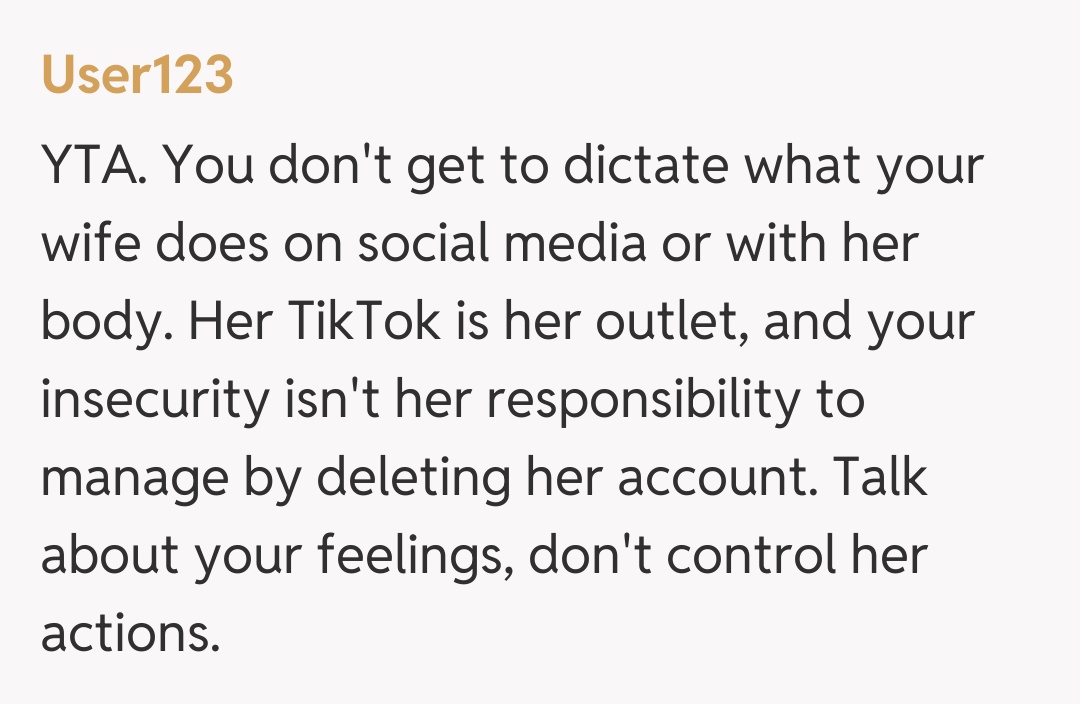
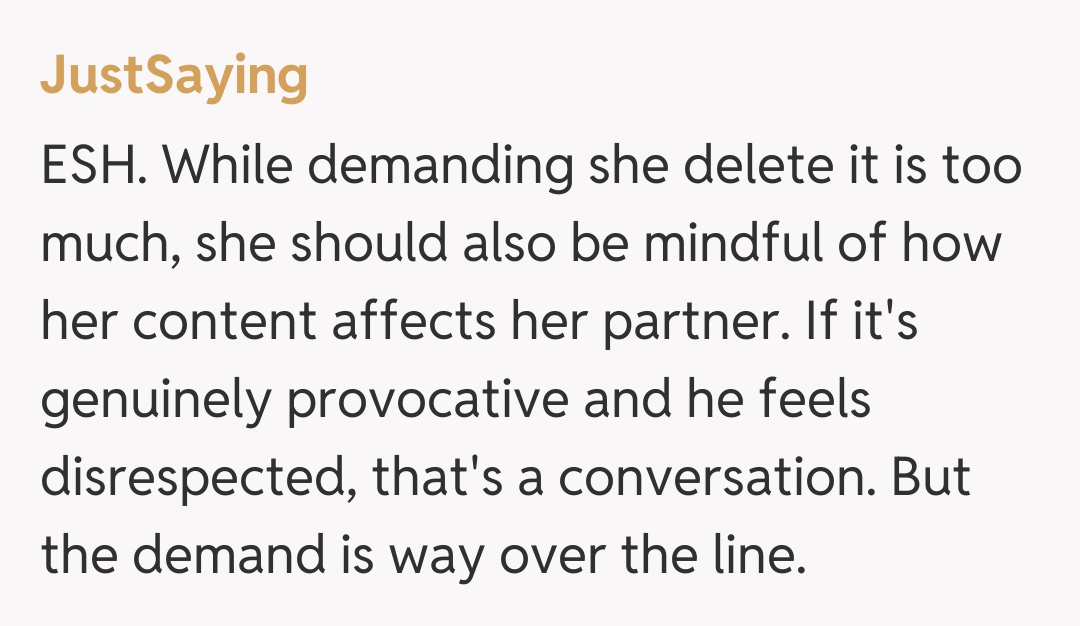
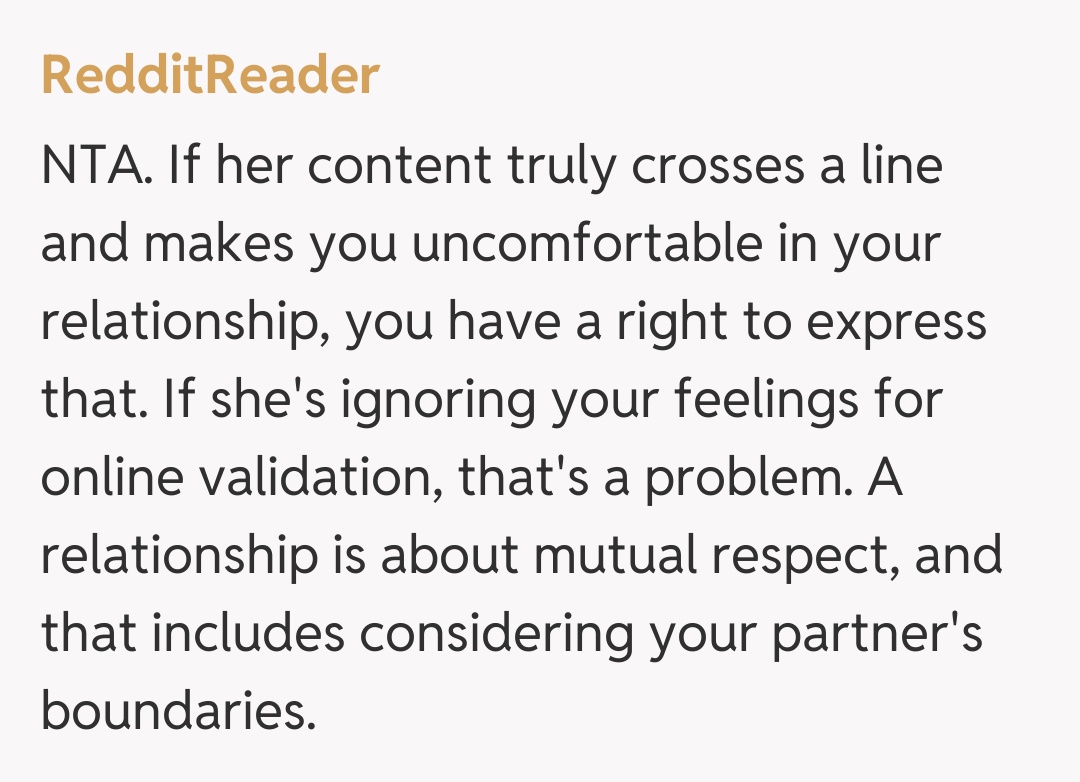
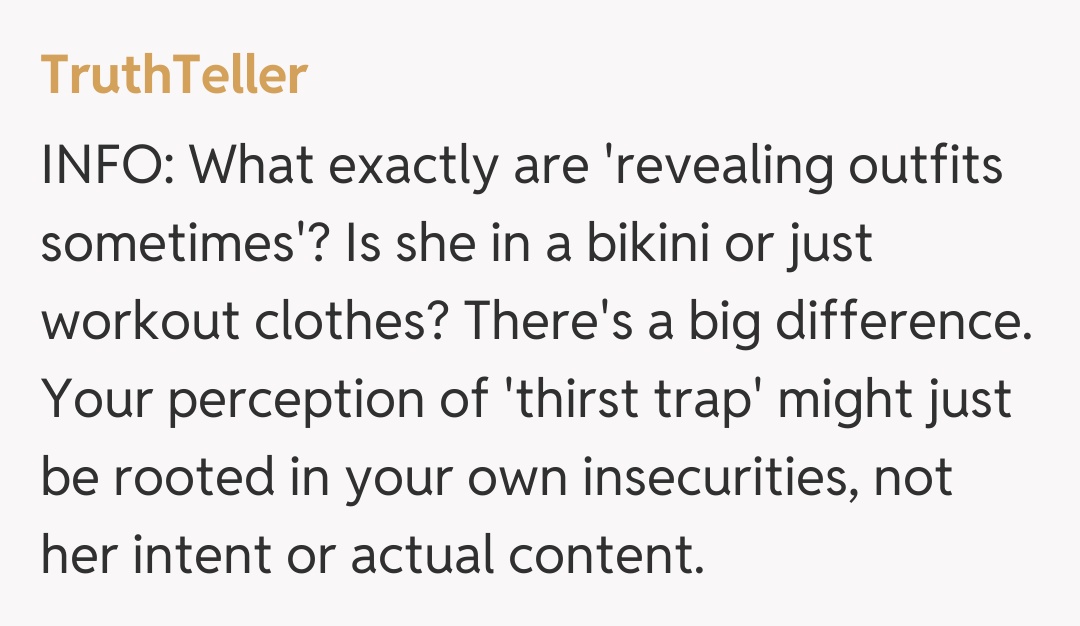
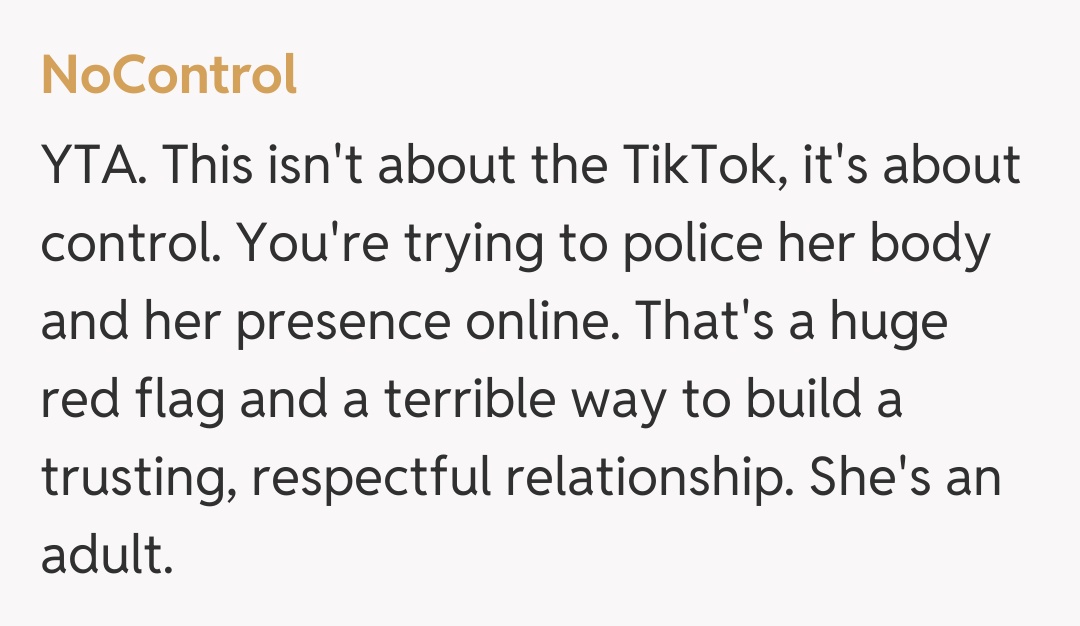
The comment section, as expected, was ablaze with strong opinions, heavily leaning towards the 'You're The A-hole' (YTA) verdict. Many users emphasized that demanding a partner delete a social media account is a controlling and unhealthy behavior, regardless of the content. They argued that personal expression and hobbies should be respected within a relationship, and that trust should be paramount.\nSeveral commenters pointed out that the husband's issue likely stems from his own insecurity rather than the wife's actions being inherently disrespectful. They suggested that instead of placing restrictions on her, he should work on his own feelings and communicate them in a way that doesn't involve ultimatums. The idea of a 'thirst trap' was also heavily debated, with many noting that a wife's actions aren't necessarily about attracting others just because some viewers might interpret them that way.
This AITA story serves as a stark reminder of how easily modern platforms can ignite age-old relationship conflicts concerning trust, autonomy, and respect. While expressing discomfort is always valid, the path to resolution lies in open communication and mutual understanding, not in issuing ultimatums or stripping away a partner's personal agency. True partnership means navigating insecurities together, finding compromises, and building a foundation where both individuals feel secure and free to be themselves, both online and off.