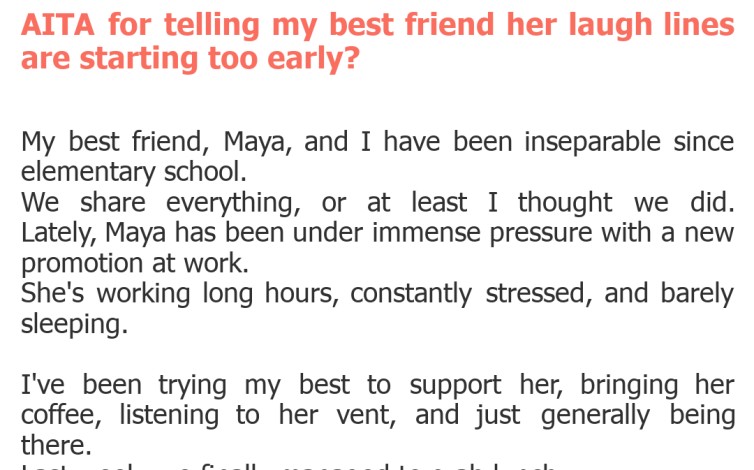
AITA for telling my best friend her laugh lines are starting too early?
Oh boy, do we have a sticky situation today on the blog! Friendship, honesty, and the incredibly delicate topic of appearance are all colliding in our latest AITA submission. It's a classic tale of good intentions potentially going awry, leaving one party deeply upset and the other scratching their head, wondering where they went wrong.
Our OP thought they were just being a caring best friend, pointing out something they observed. But as we all know, words, especially about how someone looks, can carry a weight far beyond their literal meaning. Let's dive into this friendship conundrum and see if our community believes OP was truly out of line, or if their friend was perhaps overreacting.

"AITA for telling my best friend her laugh lines are starting too early?"
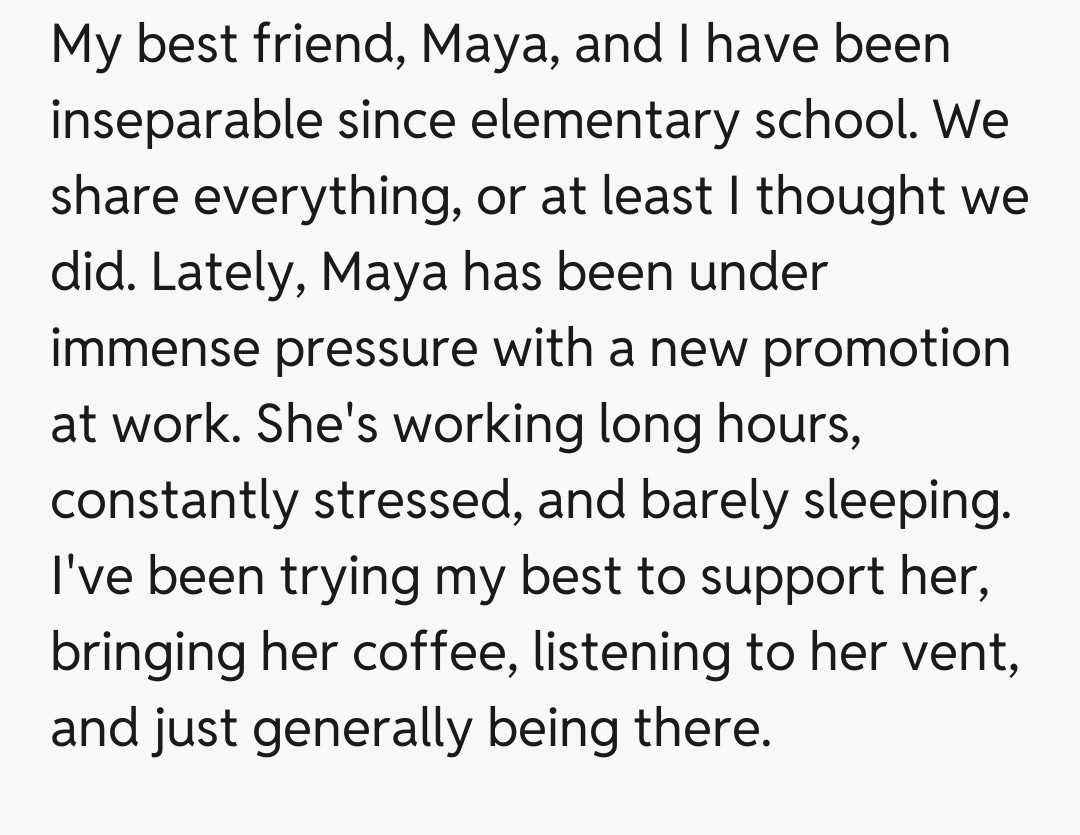
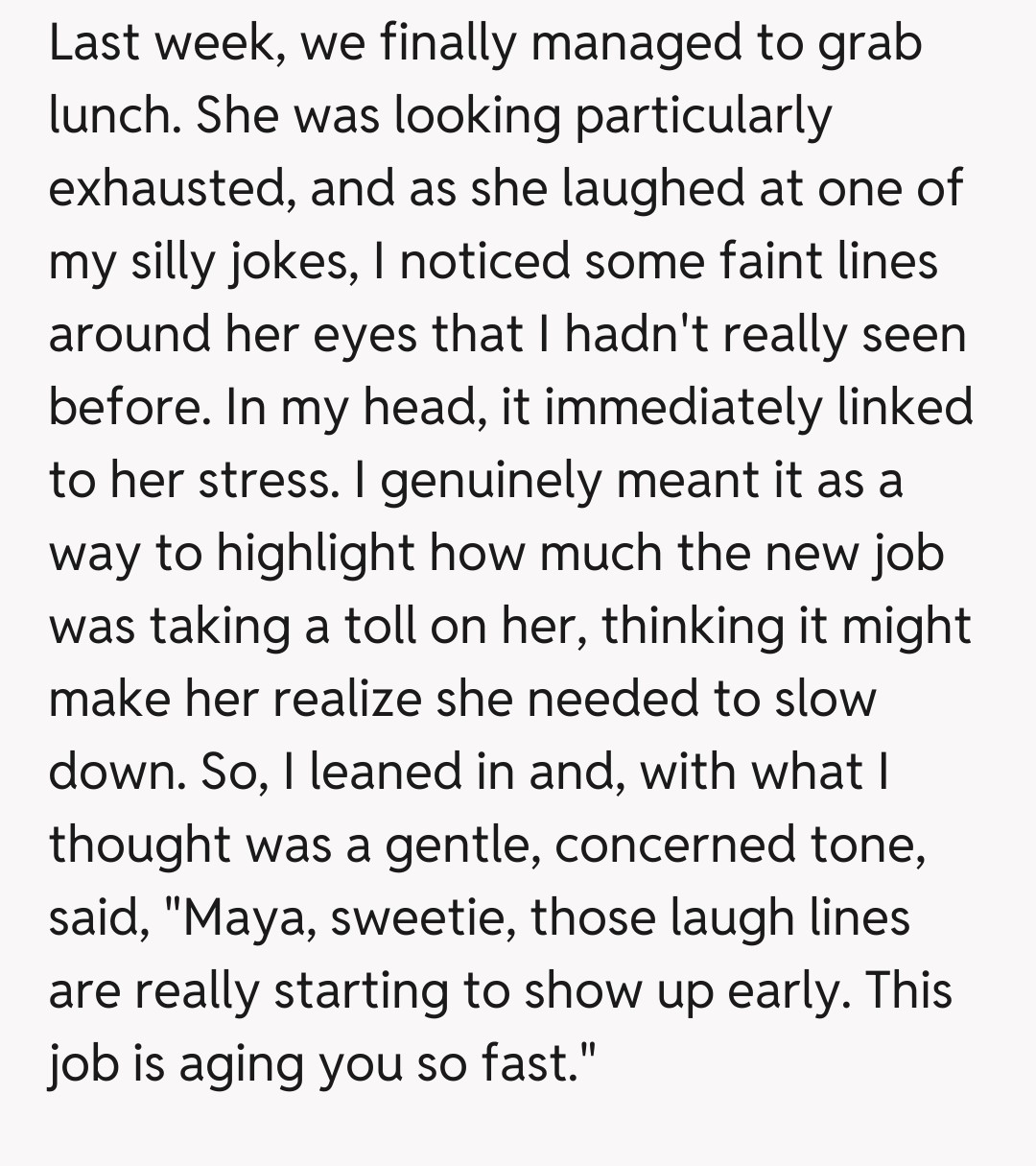
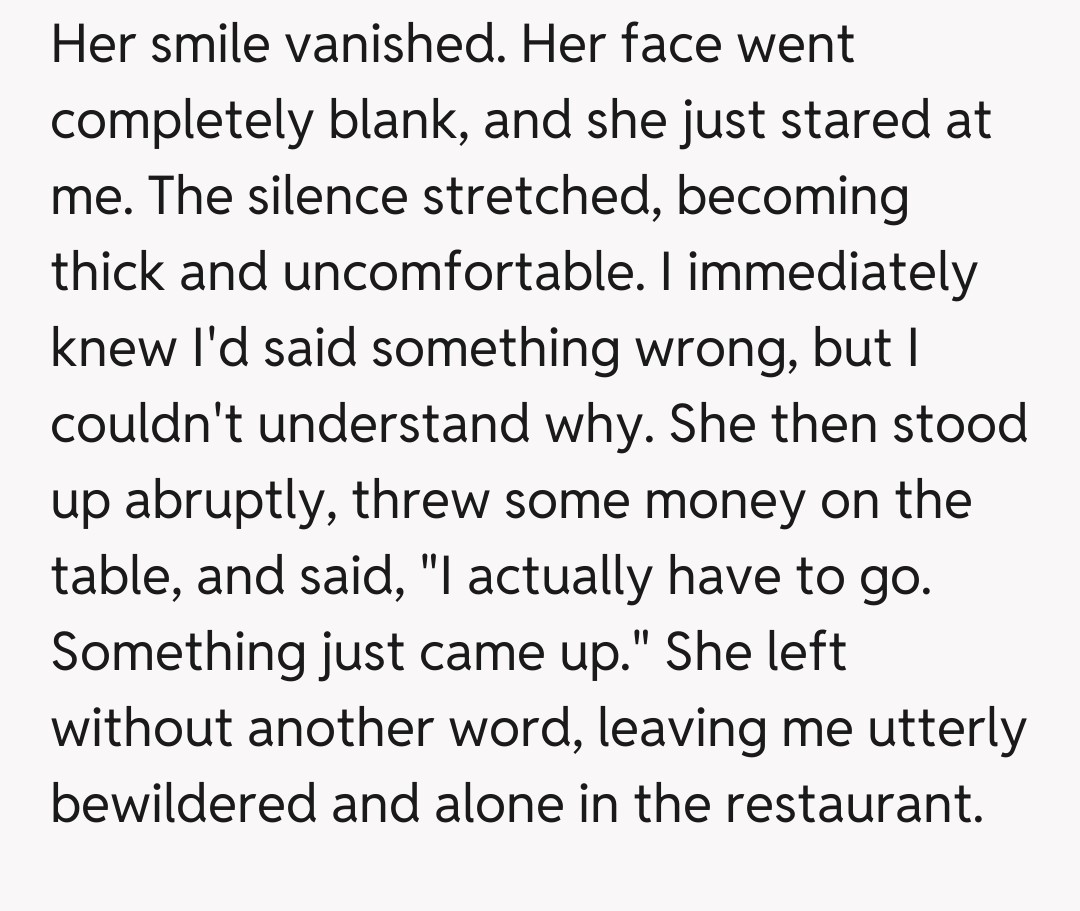
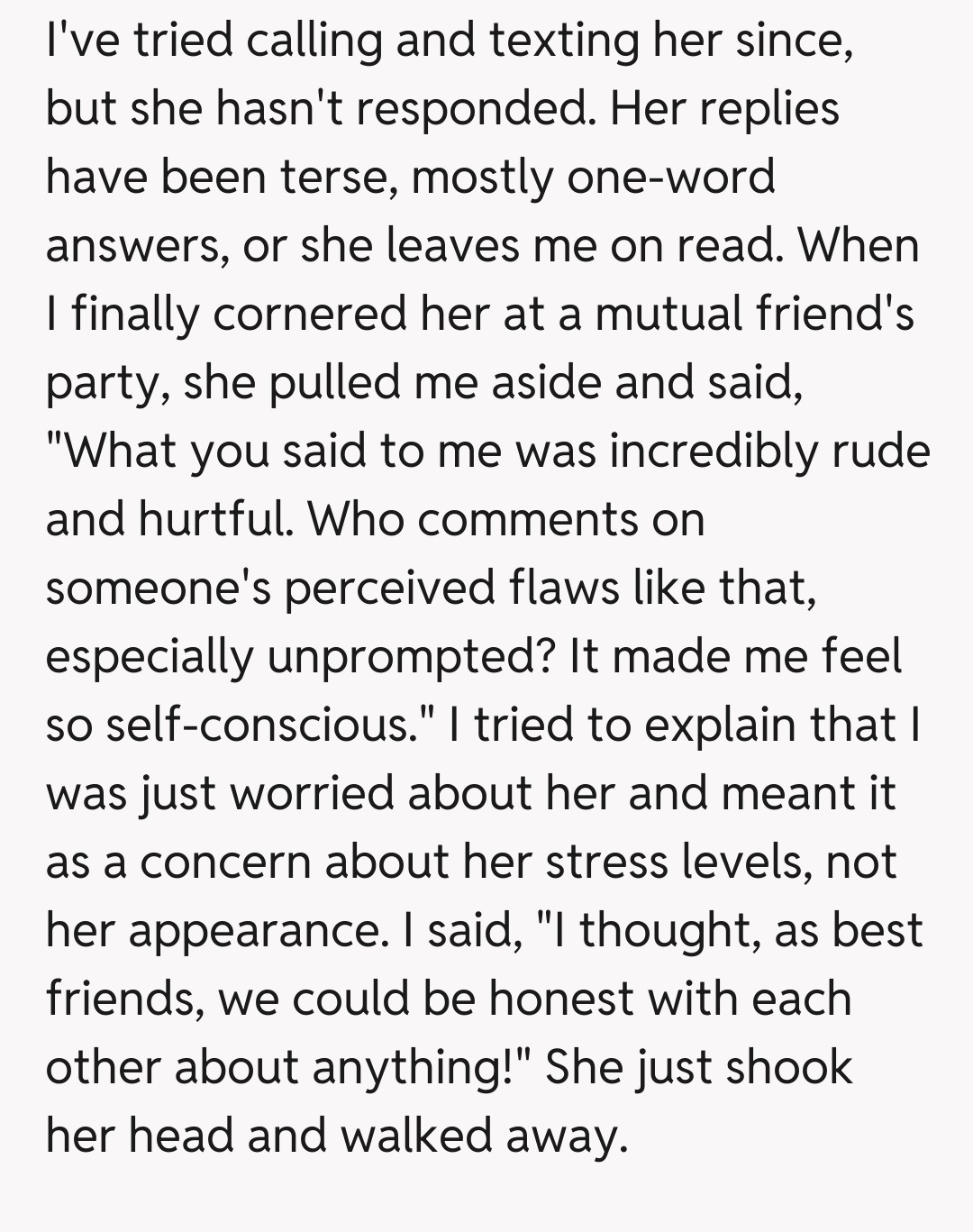
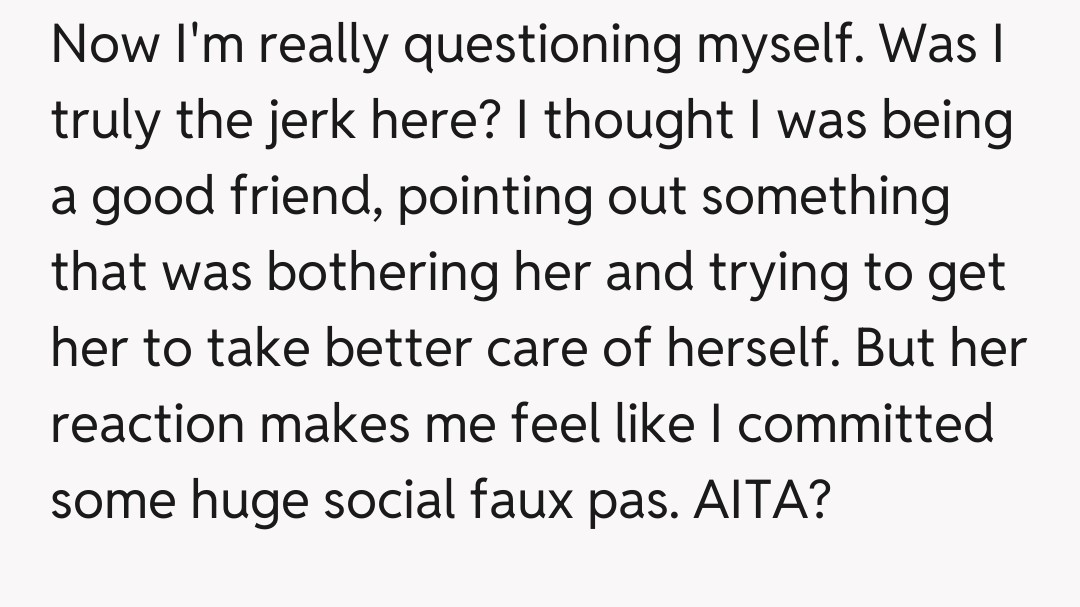
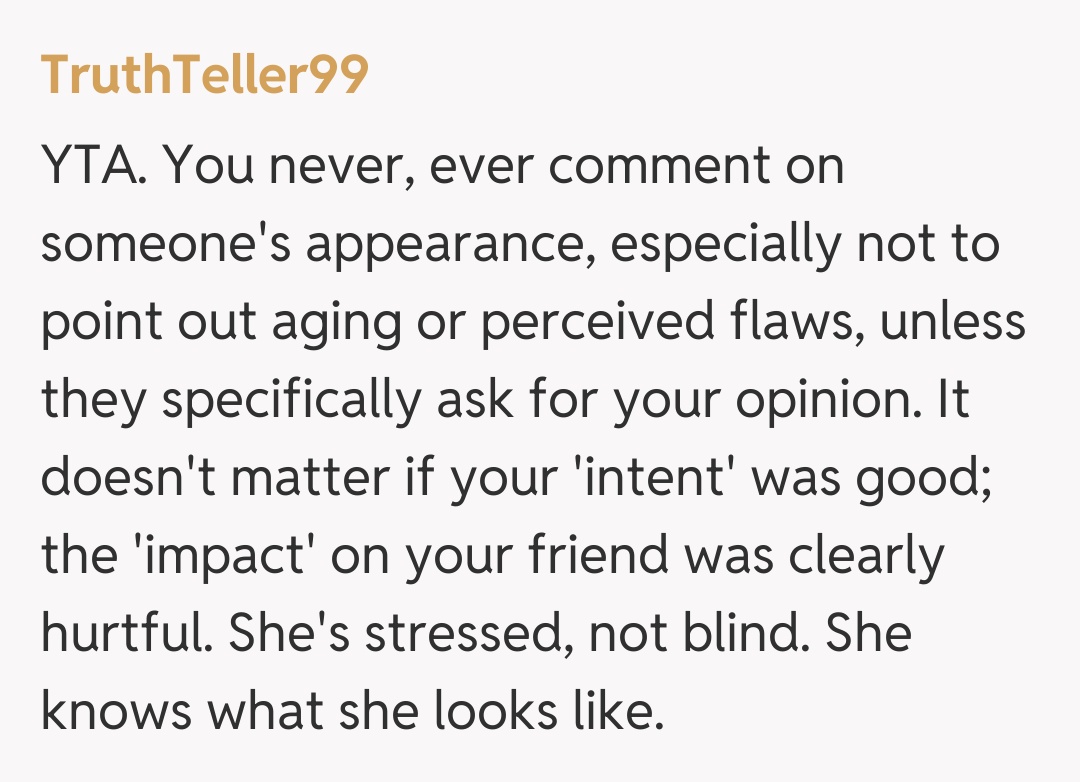
This is a classic example of intent versus impact, a concept often discussed in interpersonal relationships. While OP might have genuinely intended to express concern about Maya's stress, the words chosen focused directly on her physical appearance, specifically a perceived 'flaw' like 'early' laugh lines. This delivery transformed a potentially supportive message into a hurtful criticism, especially for someone already feeling vulnerable due to stress.
Comments about someone's appearance, particularly unsolicited ones that highlight aging or imperfections, are almost always received negatively, regardless of the speaker's underlying intention. It's a deeply personal topic for many, and bringing it up can trigger insecurities or make someone feel judged. A best friend's role is typically to uplift and support, not to point out perceived signs of decline.
Furthermore, the context here is crucial. Maya was already under immense stress from her new job. When someone is in a vulnerable state, they are often more sensitive to criticism, even if it's veiled as 'concern.' What OP saw as a helpful observation, Maya likely heard as a confirmation of her fears – that the stress was making her look bad, adding another layer of pressure and self-consciousness.
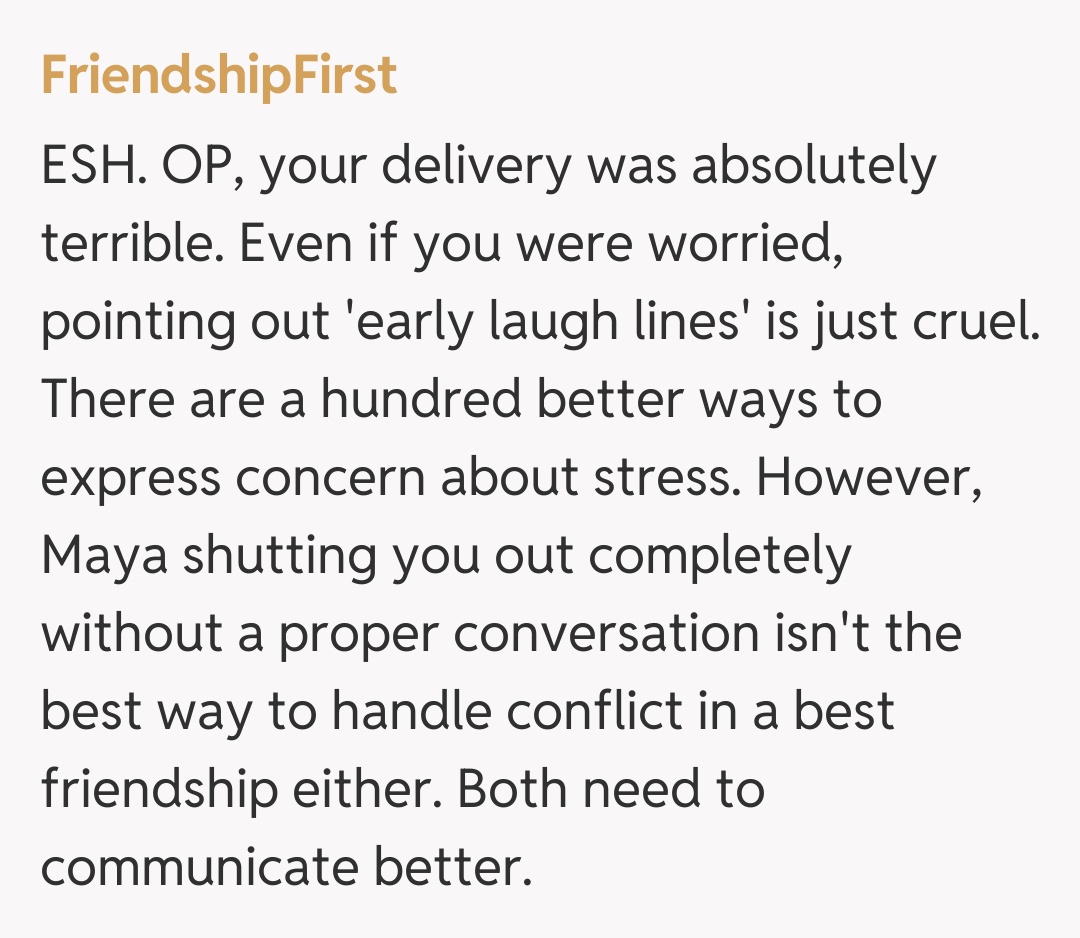
While honesty is valuable in a friendship, it's not a free pass for insensitivity. There's a fine line between being genuinely honest and being tactless or unkind. A more empathetic approach would have been to express direct concern about her stress levels, perhaps saying, 'You seem really exhausted, Maya. This job is taking a toll on you, and I'm worried.' This focuses on her well-being without making a judgmental comment about her appearance.
The Verdict Is In: Was OP A Thoughtless Friend Or Just Misunderstood?
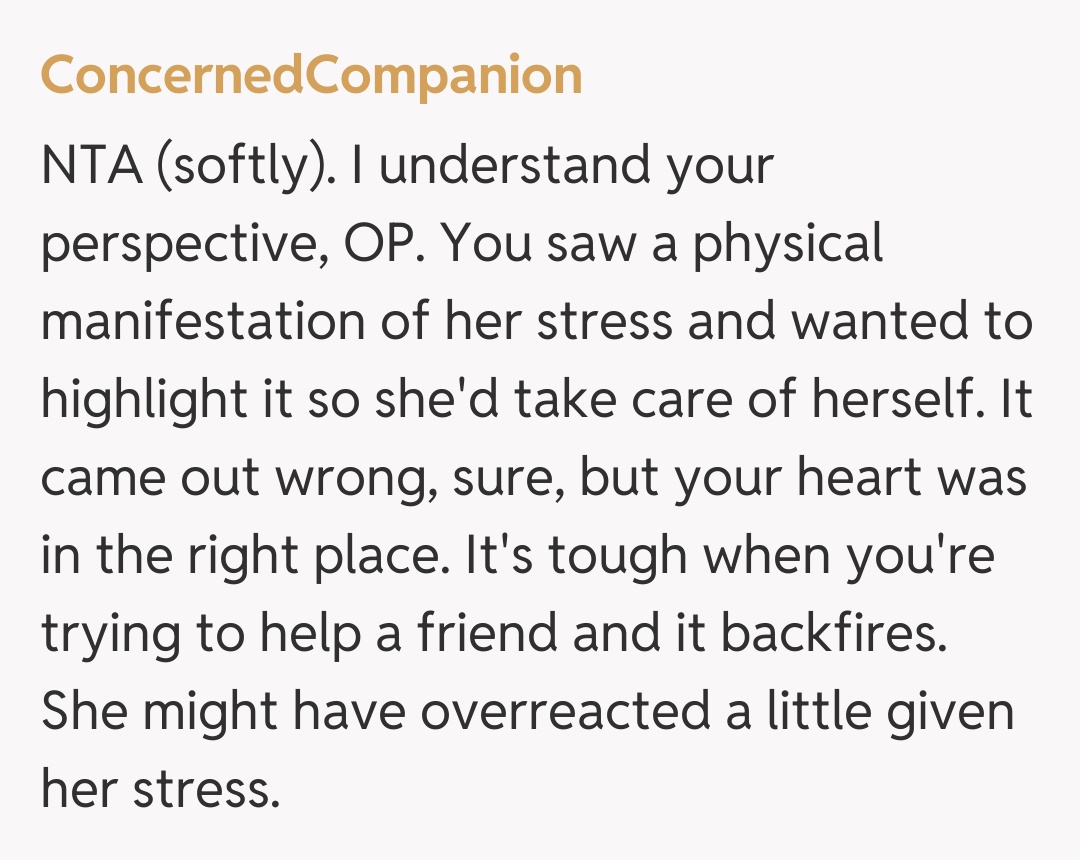
The comments section for this story absolutely exploded, as expected! It seems the community largely converged on a similar sentiment: while OP's intentions might have been good, their execution was severely lacking. Many users highlighted the crucial difference between showing concern and making an unsolicited comment about someone's appearance, especially when that person is already feeling vulnerable.
A recurring theme was the idea of 'reading the room' and considering the impact of words. Several commenters pointed out that there are far more empathetic ways to express worry about a friend's stress levels than to comment on their aging. It's clear that Maya's reaction resonated with many who have experienced similar comments, underscoring how deeply such remarks can affect self-esteem.
This AITA story serves as a powerful reminder that even with our closest friends, tact and empathy are paramount. While honesty is a cornerstone of deep friendship, it must always be tempered with kindness and an awareness of the other person's emotional state. A comment about appearance, no matter how well-intentioned, can easily cross the line from concern to criticism, leaving lasting hurt. Let this be a lesson to all of us to choose our words carefully, especially when someone we care about is going through a tough time.