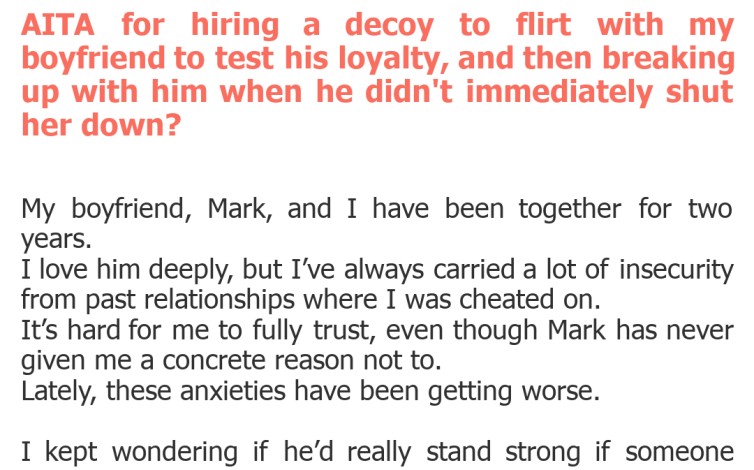
AITA for hiring a decoy to flirt with my boyfriend to test his loyalty, and then breaking up with him when he didn’t immediately shut her down?
Oh, the complexities of modern romance! Trust issues often lurk beneath the surface, bubbling up when we least expect them. It's a tale as old as time: how do you know if your partner is truly loyal? This week, we're diving headfirst into a story that tackles this very question, but with a twist that's sure to spark some serious debate.
Our OP (Original Poster) decided to take matters into their own hands, orchestrating a 'loyalty test' that has left their relationship in tatters and ignited a firestorm online. Was this a desperate act born of insecurity, or a justified measure to uncover potential infidelity? Grab your popcorn, because this one's a doozy!

"AITA for hiring a decoy to flirt with my boyfriend to test his loyalty, and then breaking up with him when he didn't immediately shut her down?"
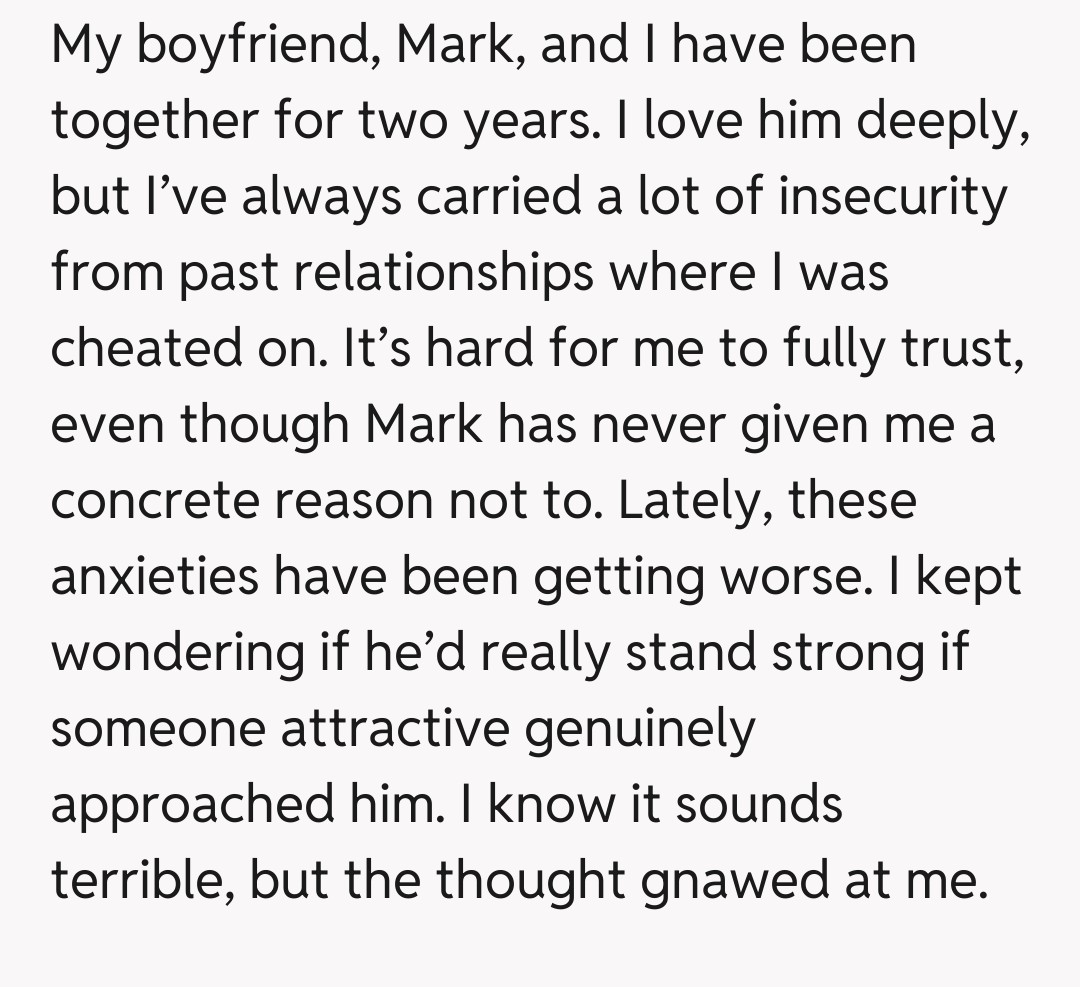
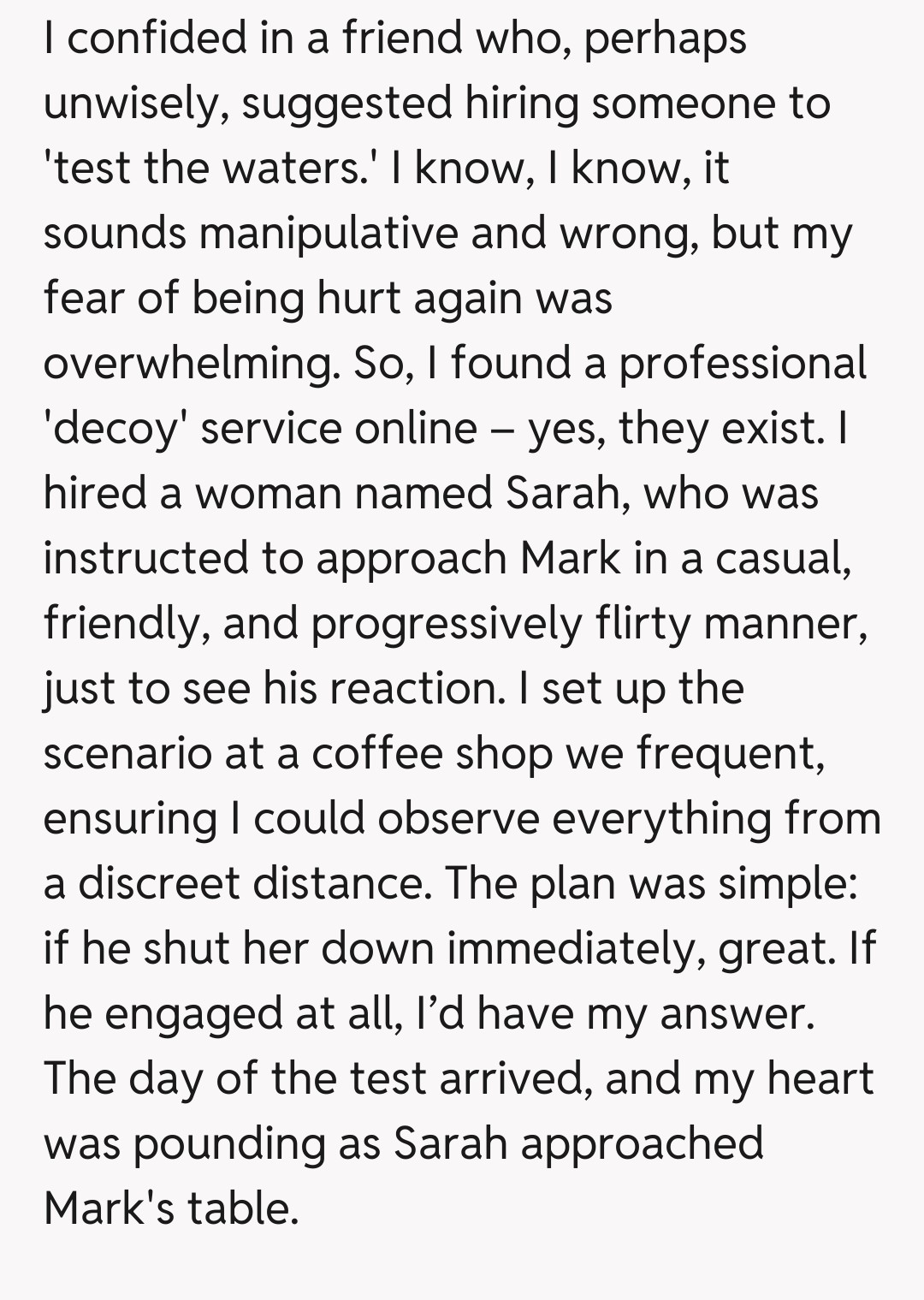
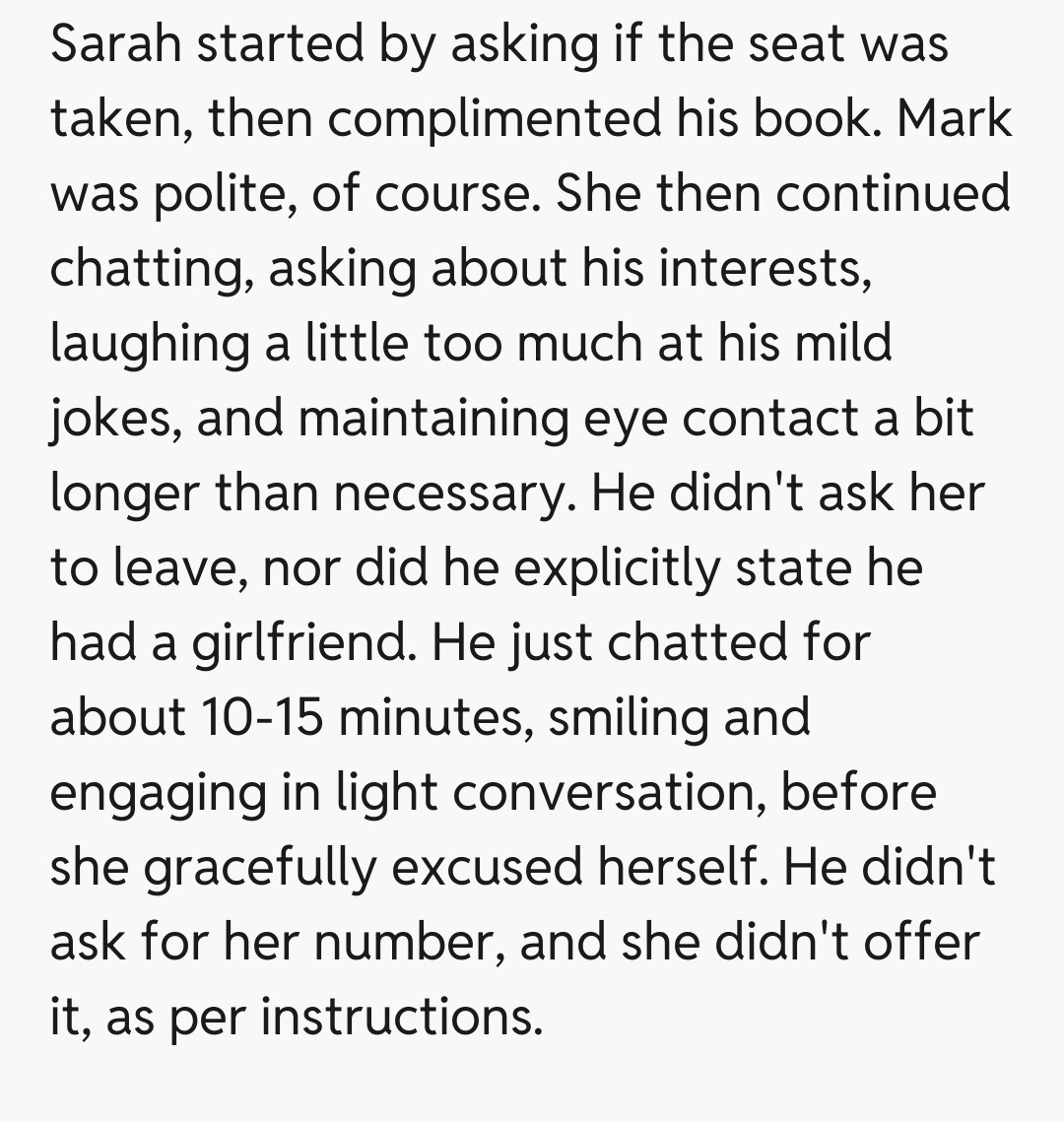
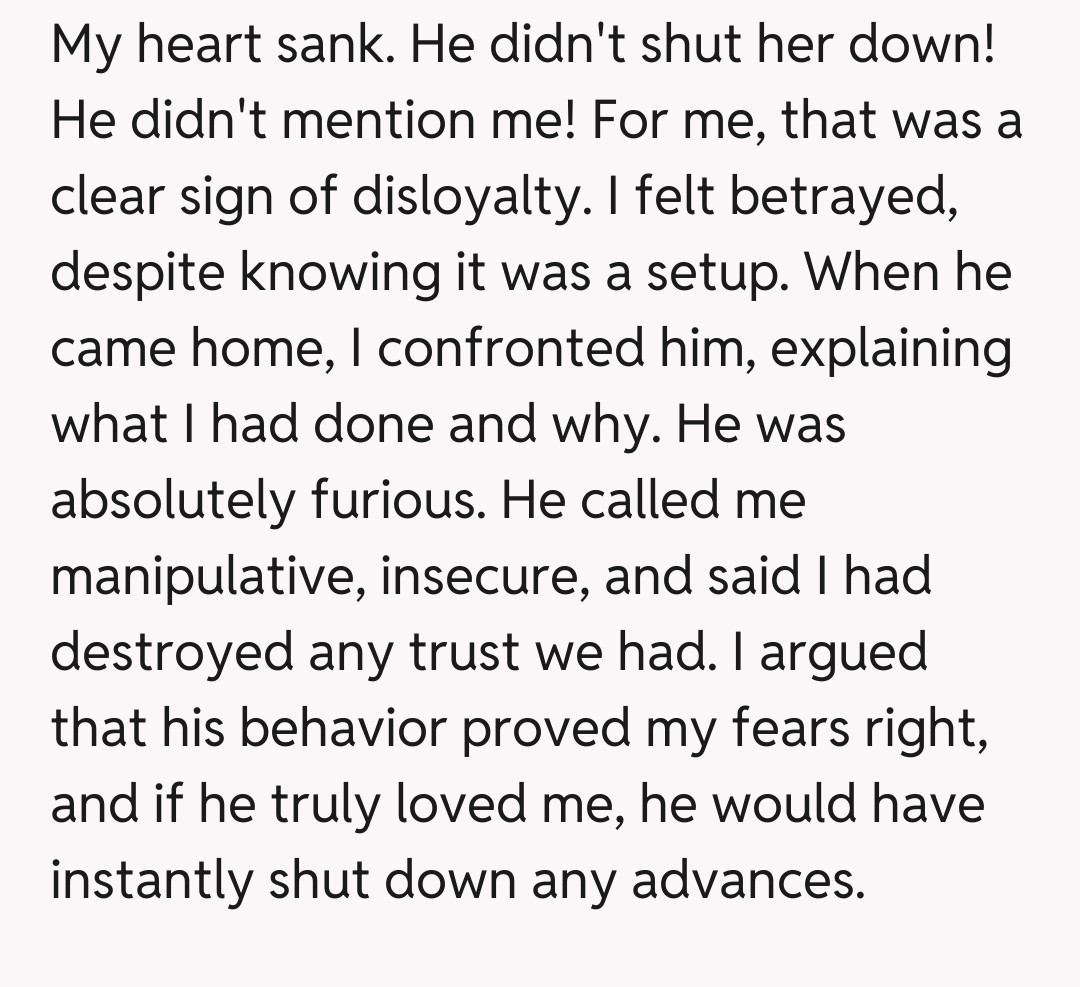
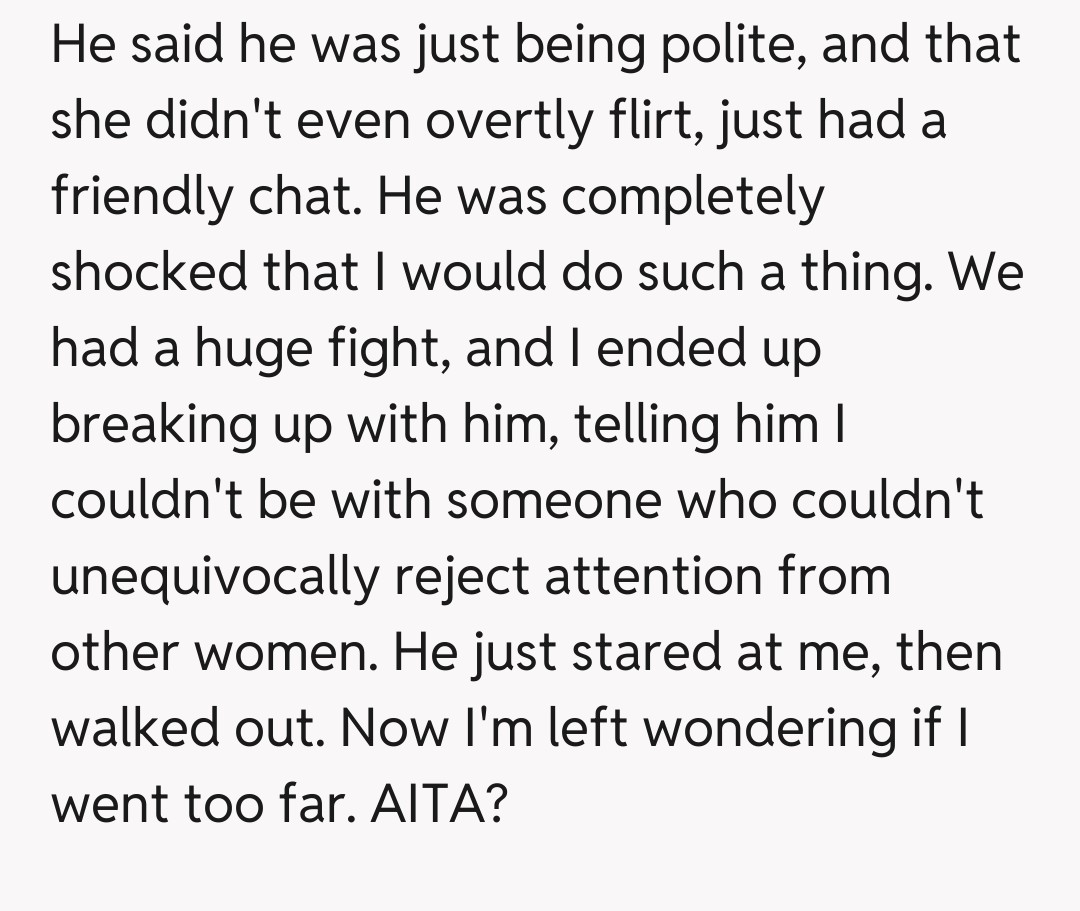
This story presents a classic ethical dilemma: is it ever okay to test your partner's loyalty? On one hand, the OP's past experiences with infidelity are genuinely painful and can understandably lead to deep-seated trust issues. This background provides crucial context for their actions, highlighting a profound fear of being hurt again. It's a common human response to try and prevent future pain, even if the methods are unconventional.
However, the act of hiring a 'decoy' to flirt with a partner fundamentally undermines the very foundation of trust that any healthy relationship requires. Instead of open communication about insecurities, the OP opted for covert surveillance. This approach suggests a lack of faith in the partner and a willingness to manipulate situations, which can be incredibly damaging, regardless of the outcome of the 'test.'
Regarding the boyfriend's reaction, there's a spectrum of interpretations. Some might argue that merely being polite and engaging in a brief, friendly conversation with a stranger isn't a betrayal. Others might contend that a truly loyal partner would immediately shut down even subtle flirtation or mention their relationship status to deter any misunderstanding. The line between politeness and receptiveness can be blurry.
Ultimately, the problem lies less in the boyfriend's specific actions during the interaction and more in the OP's decision to conduct the test in the first place. This method breeds suspicion, resentment, and effectively destroys trust, regardless of what the partner does. A relationship built on such a foundation is incredibly fragile and unlikely to thrive, as this story tragically illustrates.
The Loyalty Crucible: Readers Render Their Verdict!
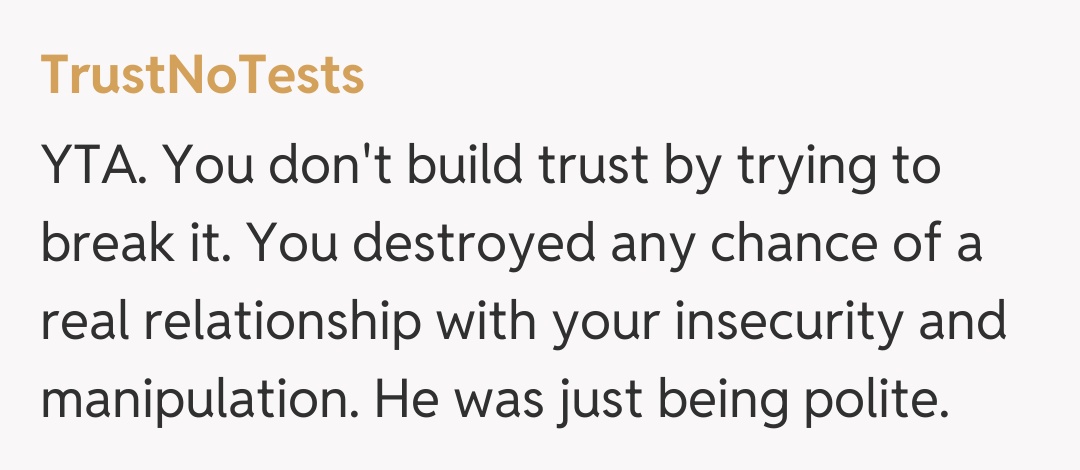
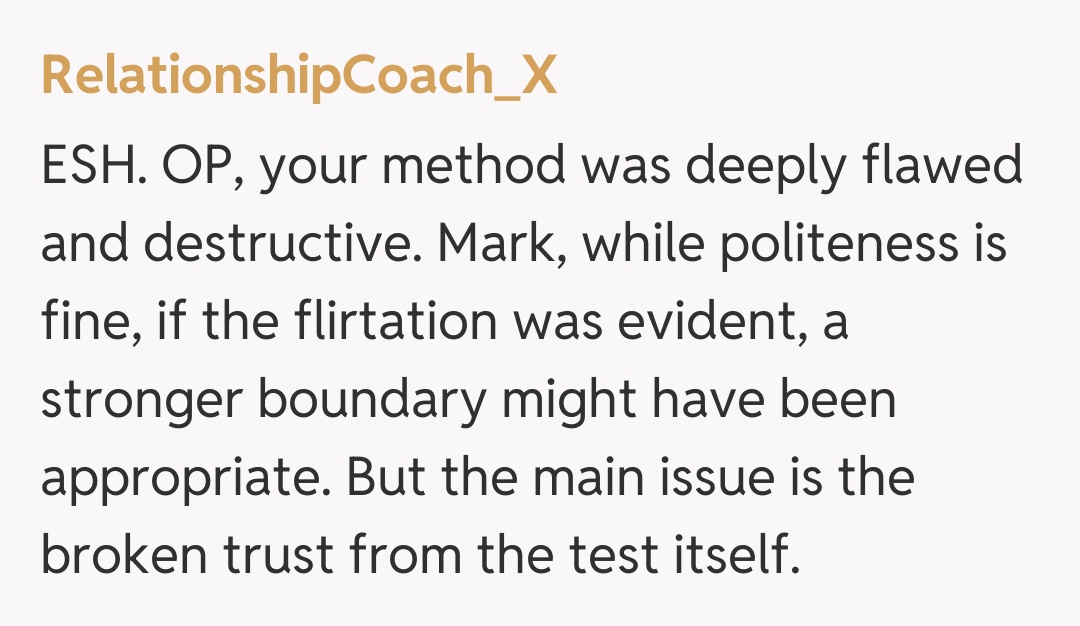
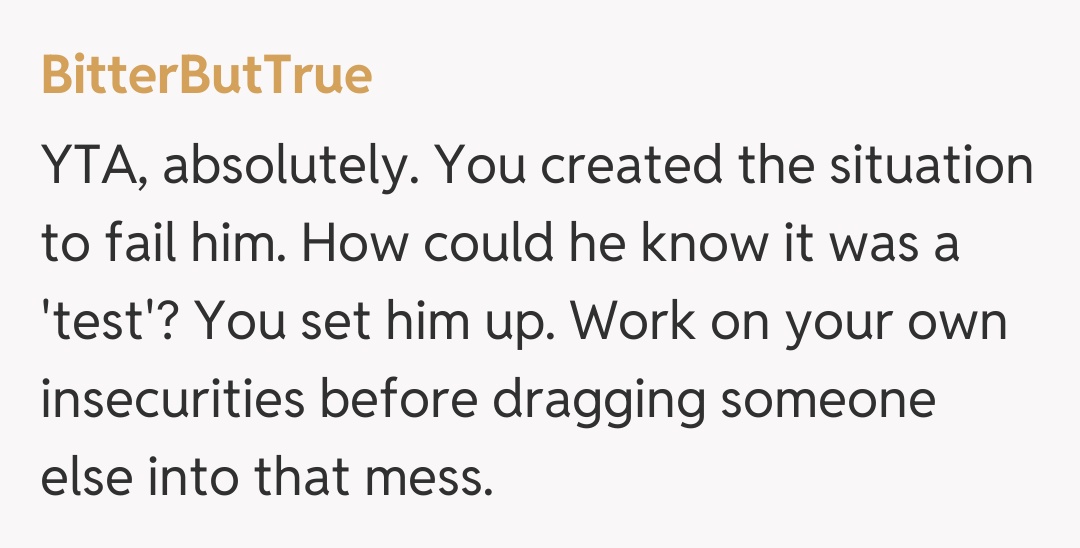
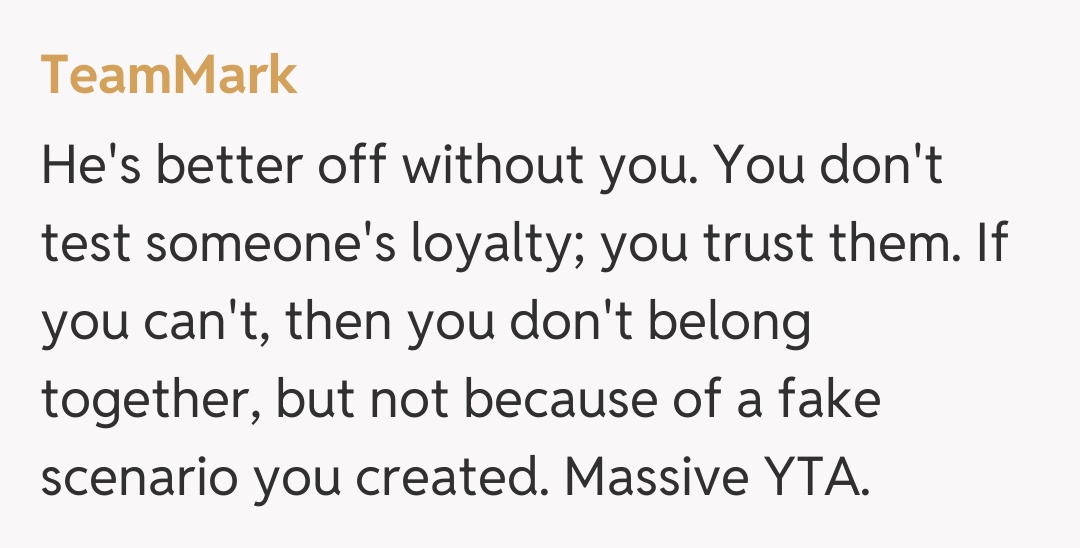
The comments section for this story was, as expected, a fiery battleground of opinions! Many readers overwhelmingly sided with Mark, the now ex-boyfriend. They argued that the OP's actions were manipulative, toxic, and a blatant invasion of privacy. The consensus was that while past trauma is valid, it doesn't justify sabotaging a current relationship through deceitful 'tests' that destroy trust.
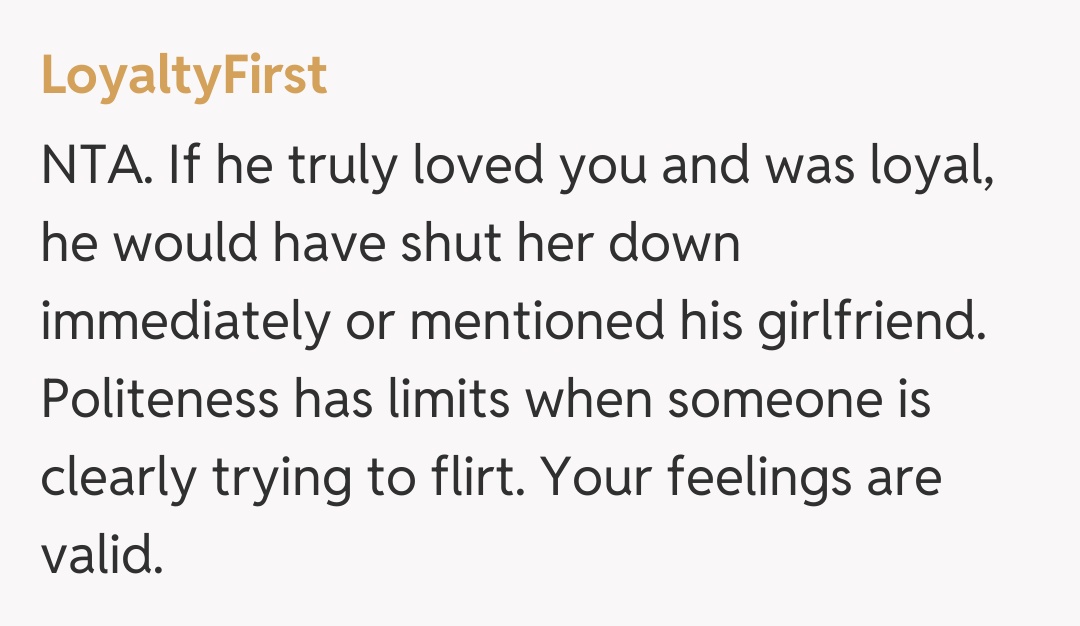
However, a vocal minority empathized with the OP, highlighting the crippling fear of infidelity and suggesting that Mark's failure to explicitly mention his girlfriend or shut down the conversation was indeed a red flag. These readers argued that loyalty should be unequivocal. It's clear this issue touches on deeply held beliefs about trust, communication, and the boundaries of a committed partnership.
This AITA story serves as a powerful, albeit painful, reminder of how insecurity and a lack of direct communication can unravel a relationship. While the OP's past pain is understandable, resorting to covert 'loyalty tests' almost always backfires, destroying the very trust it seeks to confirm. True trust is built through open dialogue, vulnerability, and mutual respect, not through manipulation. Hopefully, both parties can learn valuable lessons from this unfortunate experience and move forward towards healthier relationship patterns in the future.